
Dermal Fillers
4 reasons people choose dermal fillers
01
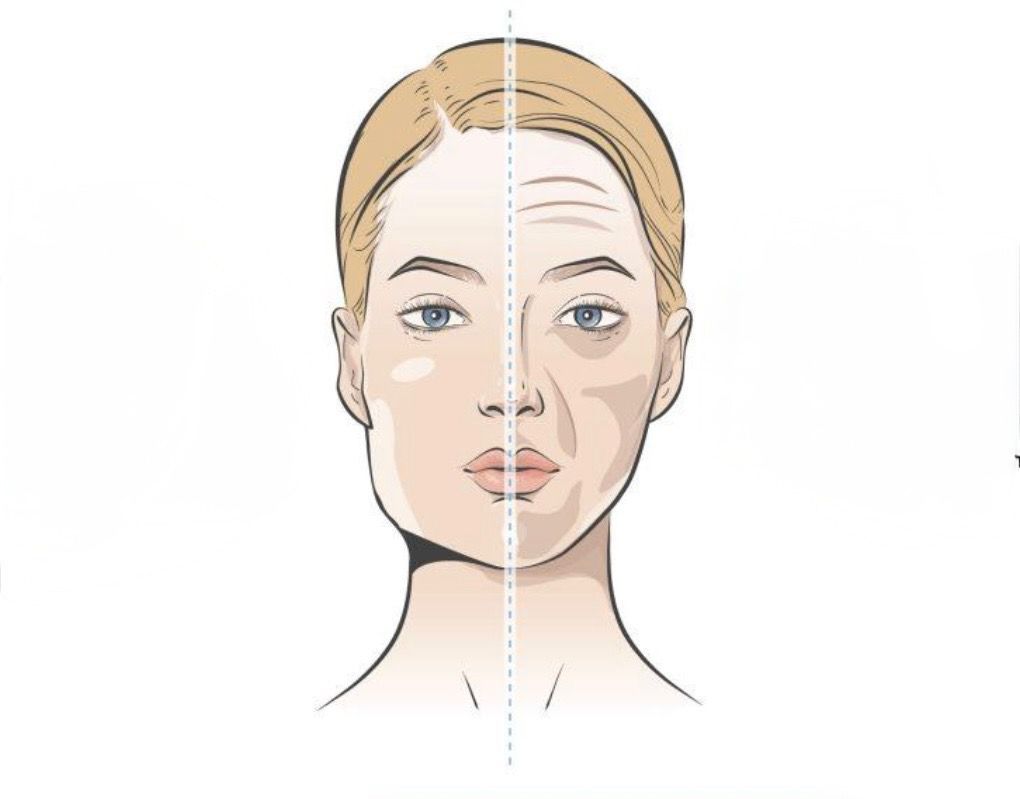
Restore Lost Volume
Replenishes volume in areas like the cheeks, temples, and under-eyes for a more youthful, lifted look.
02
Enhance Facial Features
Adds definition and balance to features like the lips, chin, and jawline with natural-looking shape.
03
Smooth Deeper Lines & Folds
Softens the appearance of smile lines, marionette lines, and other creases that don’t respond as well to neurotoxins.
04
Instant, Noticeable Results
Results are visible right away with minimal downtime, making fillers a popular “quick transformation” option.
Discover Dermal Fillers at Good Skin Aesthetics
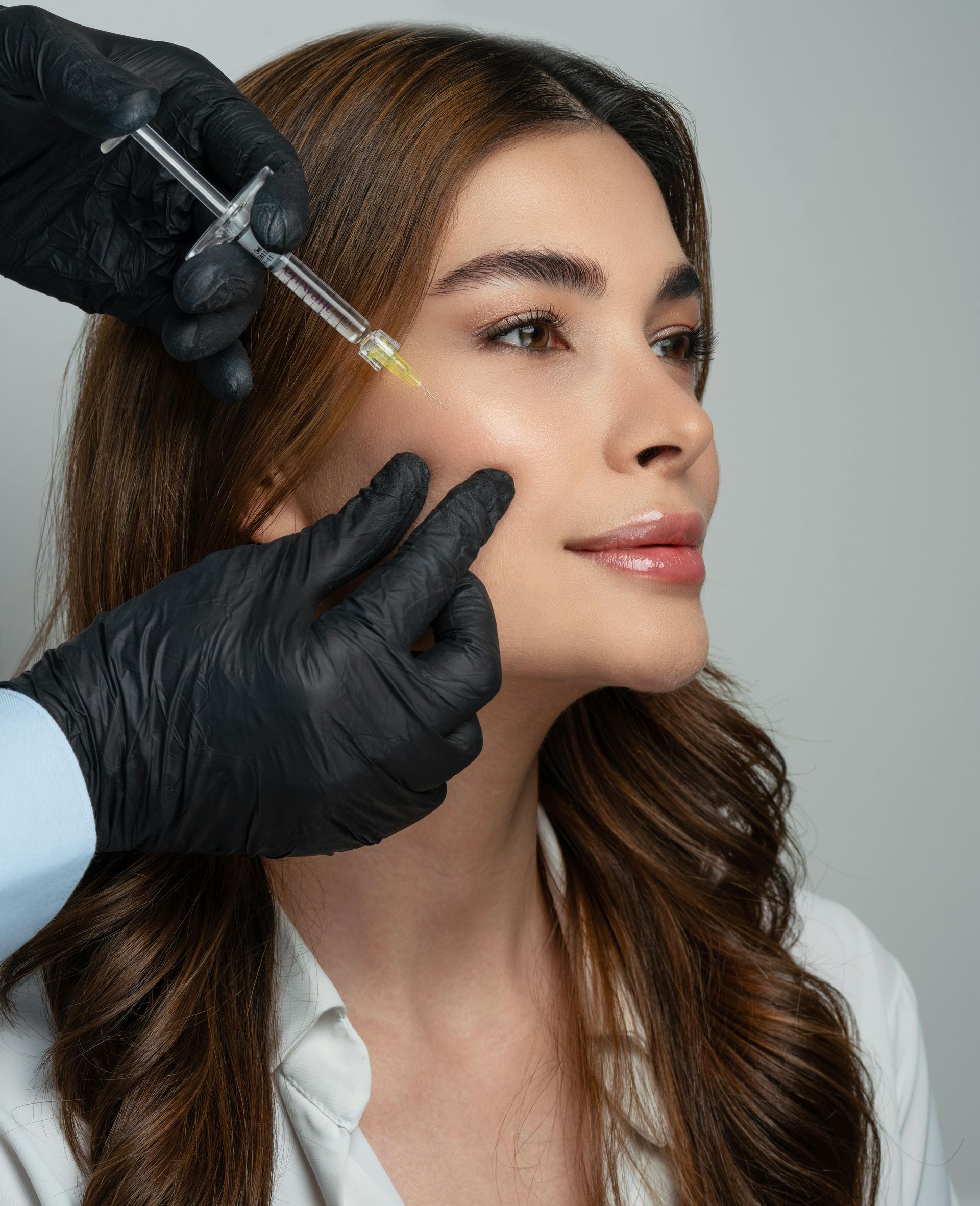
At Good Skin Aesthetics, we use hyaluronic acid-based fillers to achieve natural-looking and long-lasting results. Hyaluronic acid is a substance that is naturally found in the body and plays a crucial role in maintaining skin hydration and elasticity. Our fillers can smooth out fine lines and wrinkles, restore lost volume, enhance facial contours, and can be used for plumping and hydrating lips. As we age, the natural production of hyaluronic acid decreases, which can lead to sagging and dull-looking skin. Fillers help to replenish the skin's natural hyaluronic acid levels, resulting in a more youthful and vibrant appearance. Our team of skilled professionals will work with you to customize a treatment plan that meets your specific needs and goals.
Dermal Fillers (RHA Collection)
We offer dermal filler treatments with a focus on the
RHA® Collection,
a next-generation hyaluronic acid filler designed to move naturally with your face. Unlike traditional fillers that can look static or overfilled, RHA (Resilient Hyaluronic Acid) is specifically formulated to adapt to dynamic facial expressions, so your results look soft, refined, and authentic both at rest and in motion. By closely mimicking the hyaluronic acid naturally found in your skin, RHA allows us to restore volume, smooth lines, and enhance features in a way that feels like you—just more refreshed, supported, and confident.
What Dermal Fillers Treat
Cheeks and midface
Marionette lines
Jawline
Nasolabial folds
Lips & Lip Lines
Chin
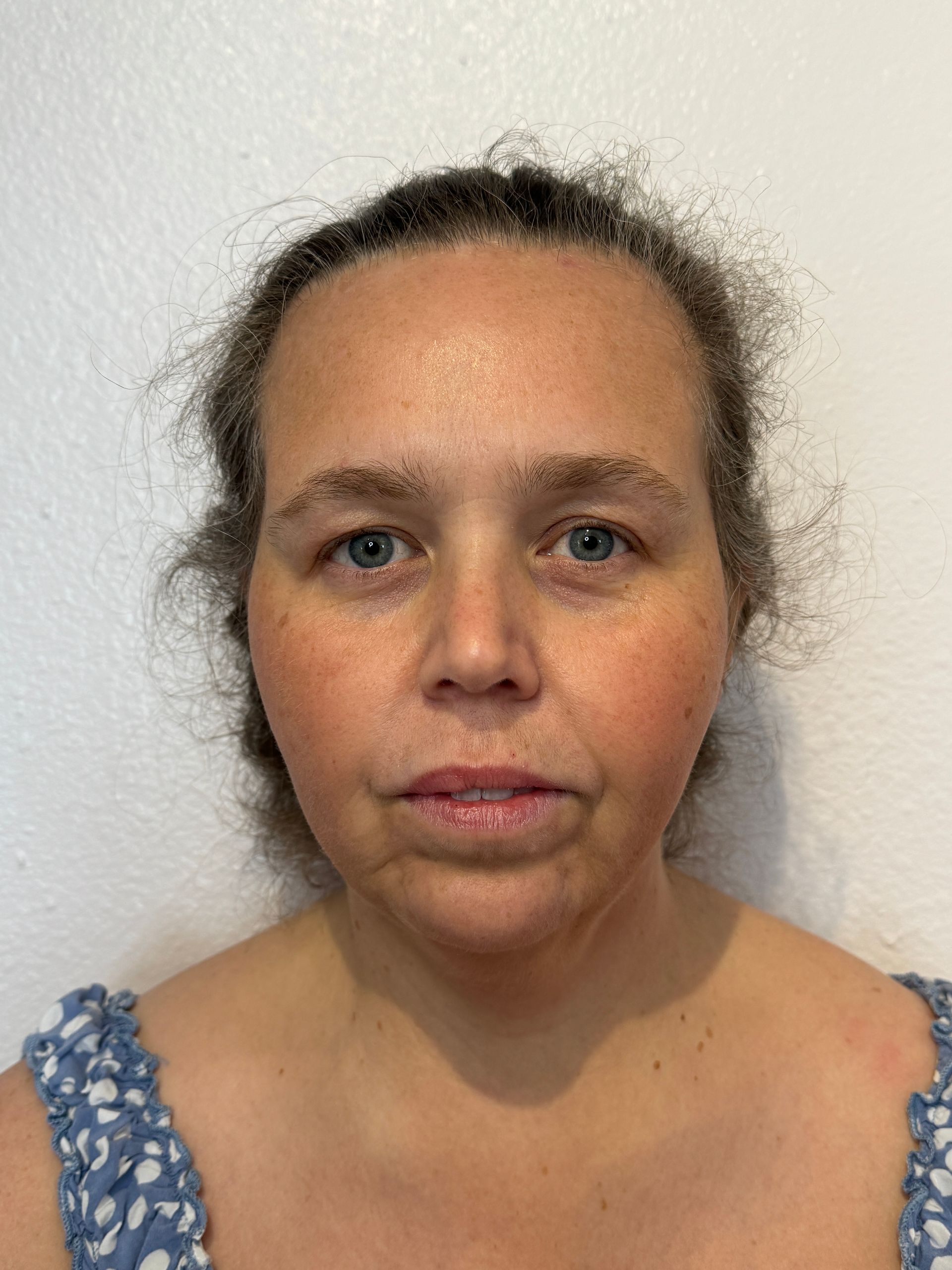
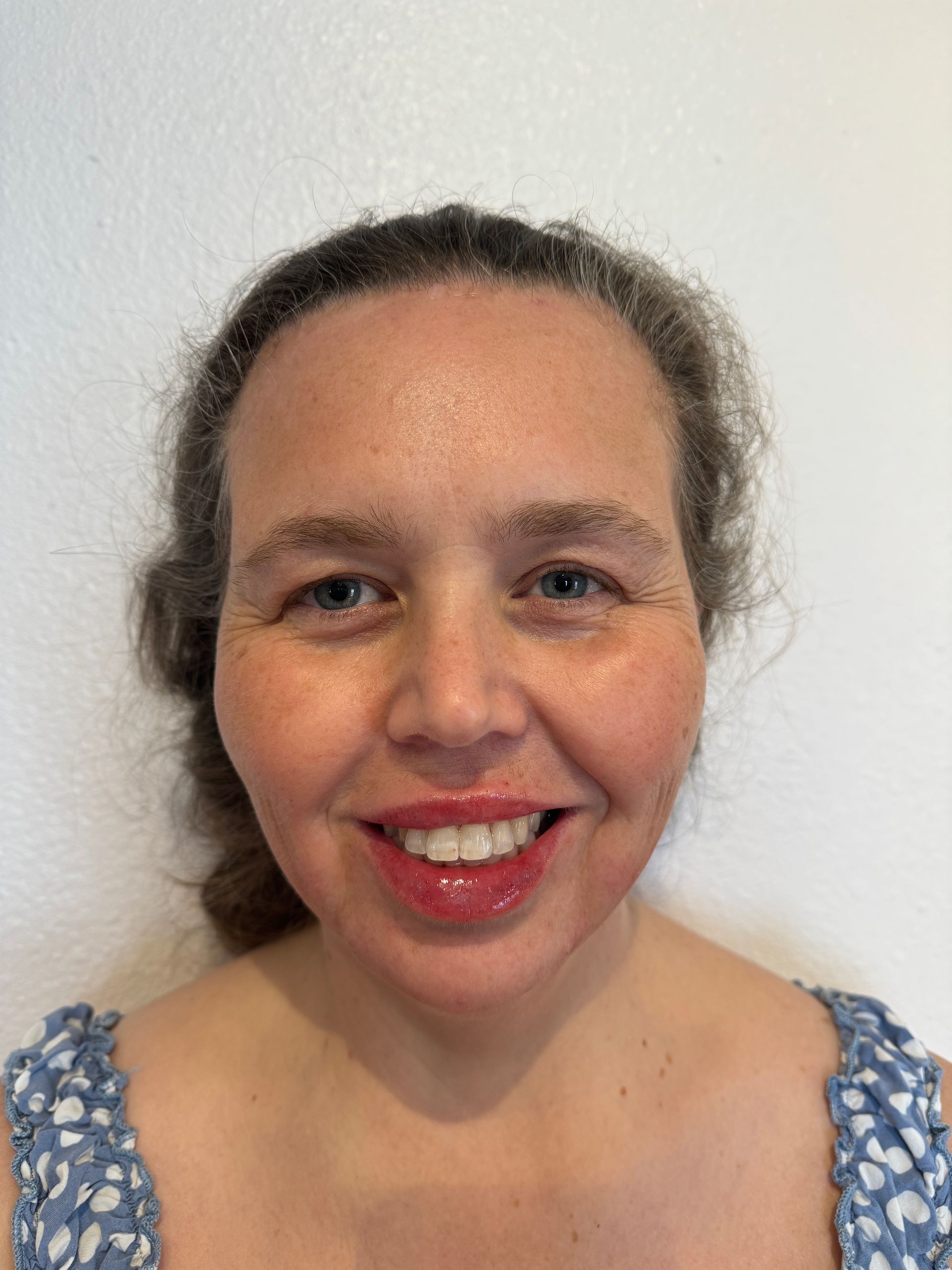
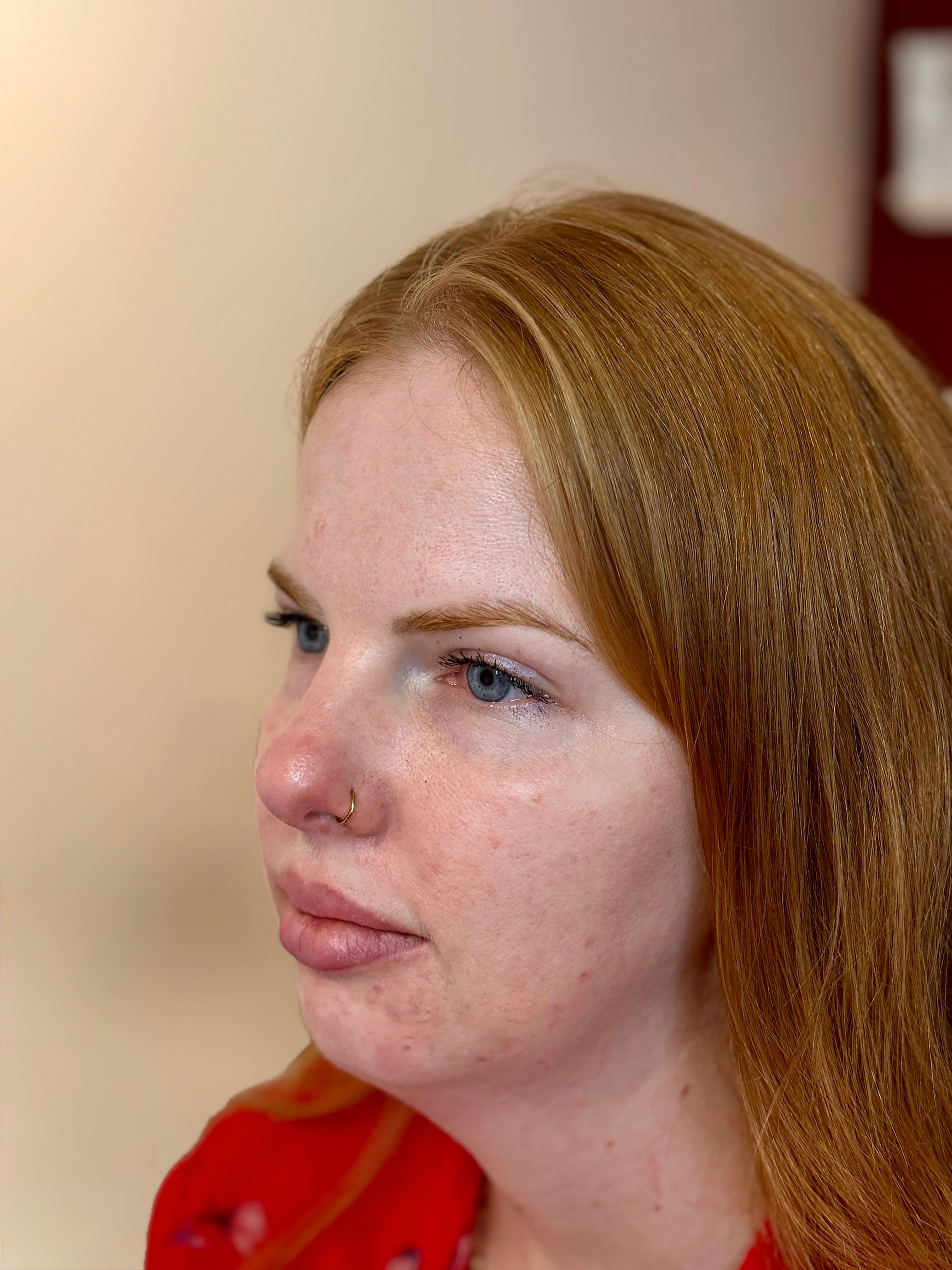
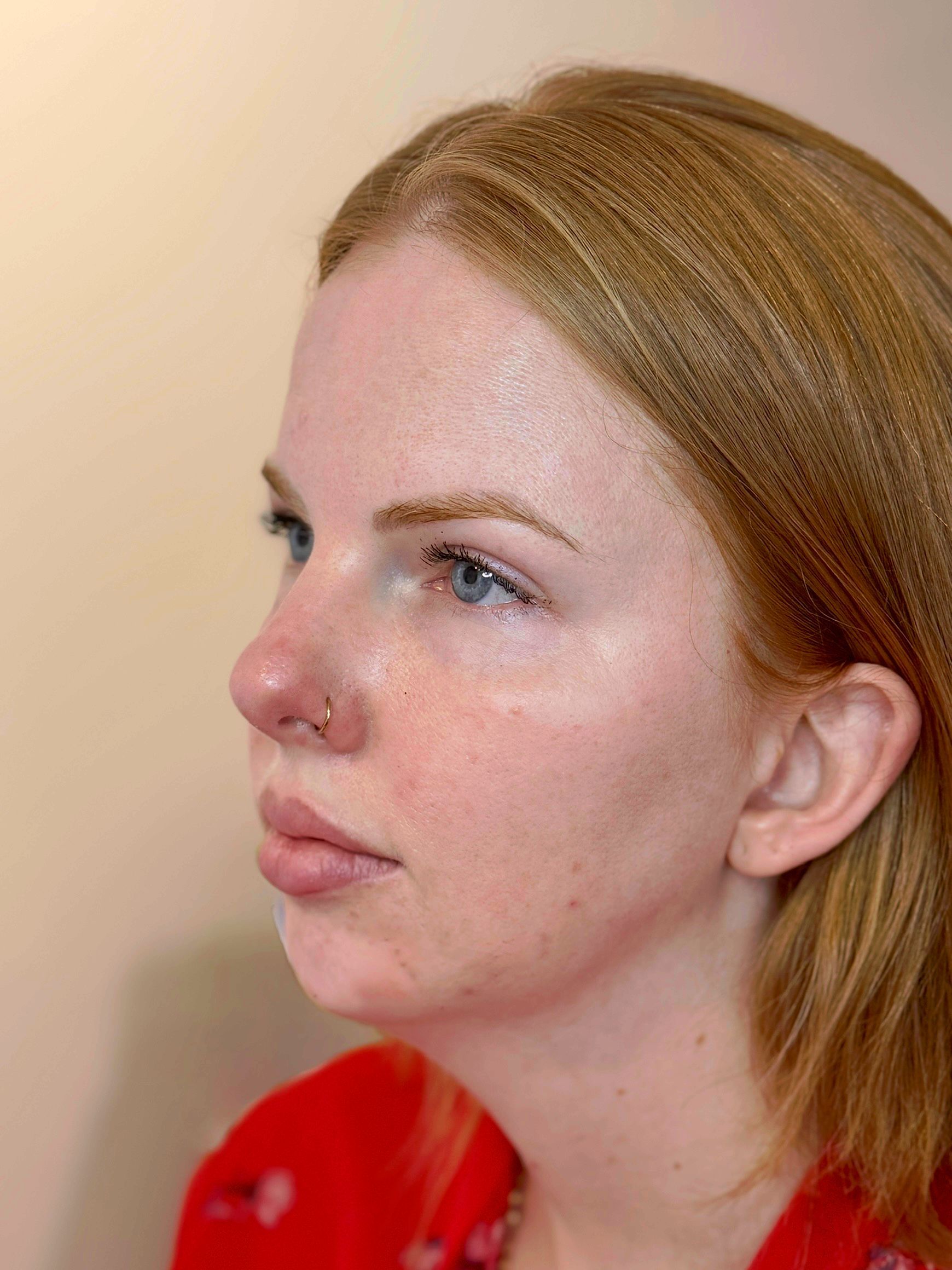
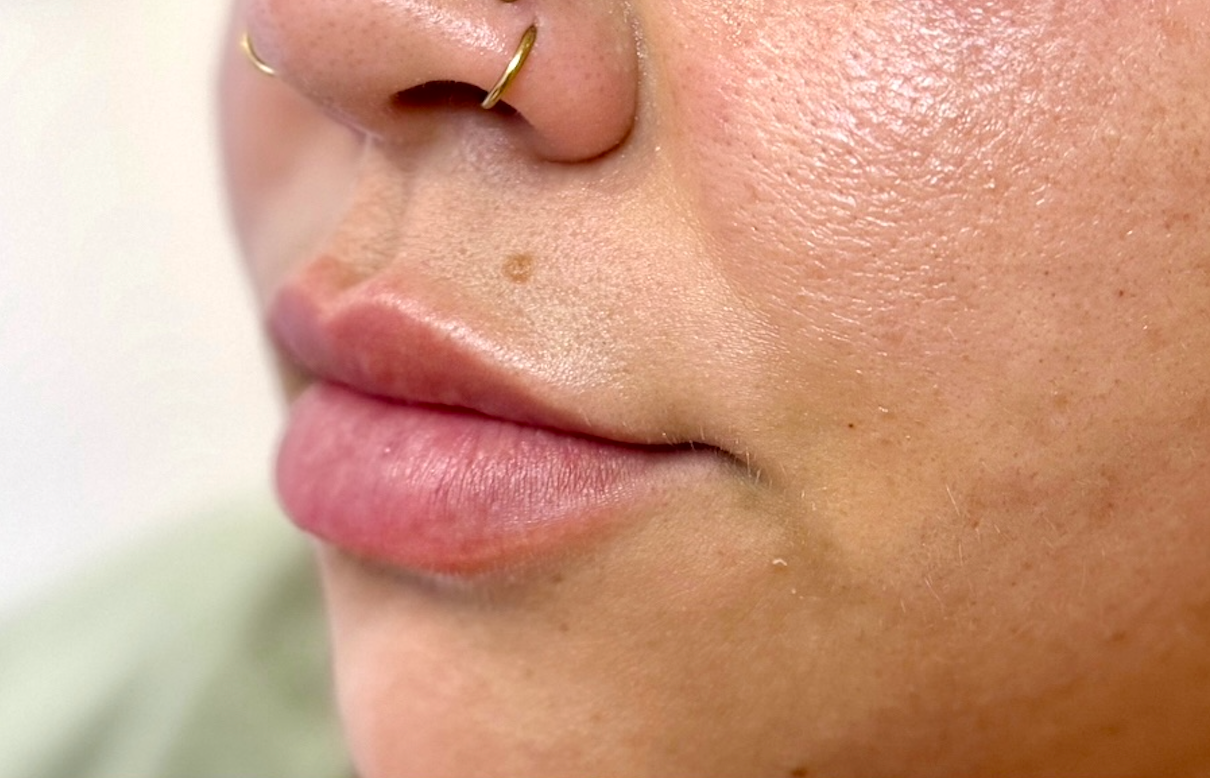
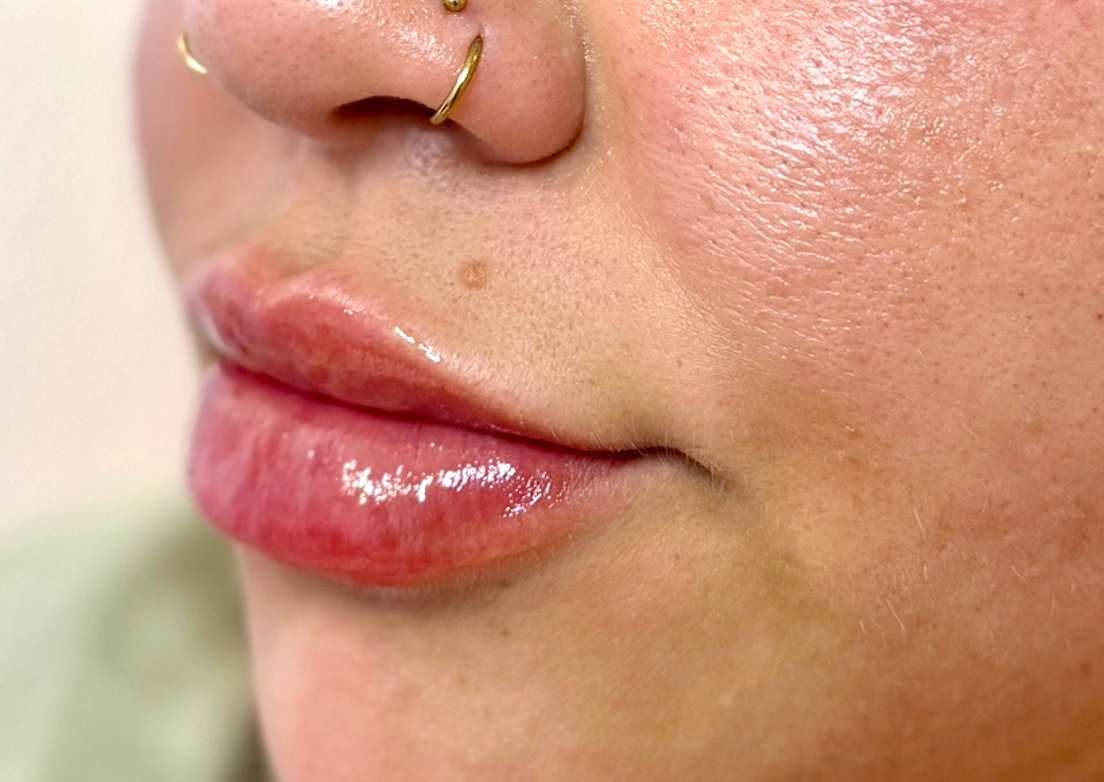
Learn how Dermal Fillers Restore Volume Naturally

What Our Filler Clients Are Saying
Read what patients from Loomis, Rocklin, and the greater Sacramento area are saying about their dermal filler experience with Tanya.
Tanya is very knowledgeable about her products and procedures.
She did a beautiful job with the fillers around my mouth. The results look exactly the way I hoped, and I will be seeing her in the future for sure.
What an amazing experience! My mother and I found Tanya while looking for someone to help with dry skin, diminish wrinkles, and give natural-looking lip injections. Tanya has checked all three of those things off.
Not only is she professional, but she truly listens to what you want. She is not the type to do what she thinks will look good. She listens to what the client wants, and it shows in every result.
We have continued to go back to her over and over and not once have had anything less than perfection. I don't usually do reviews, but her work is so deserving of a 5-star review. She has given my mother confidence again. Thank you, Tanya.
Frequently Asked Questions
Why Good Skin Aesthetics?
Ready to turn back time-without surgery?
See why clients across Loomis and beyond are choosing Neurotoxins at Good Skin Aesthetics.
Call now or book online to schedule your consultation and experience the future of total skin rejuvenation.