In today's aesthetic landscape, more patients are stepping away from traditional fill and freeze approaches and asking a deeper question. How can I look like myself again, just refreshed?
That shift is driving growing interest in biostimulators. Rather than simply adding volume, these treatments work with your body to rebuild what aging naturally takes away.
At its core, the conversation is not just about choosing between two injectables. It is about understanding how aging truly affects your skin, and why restoring collagen may be more powerful than simply replacing volume.
What Happens to Our Skin as We Age
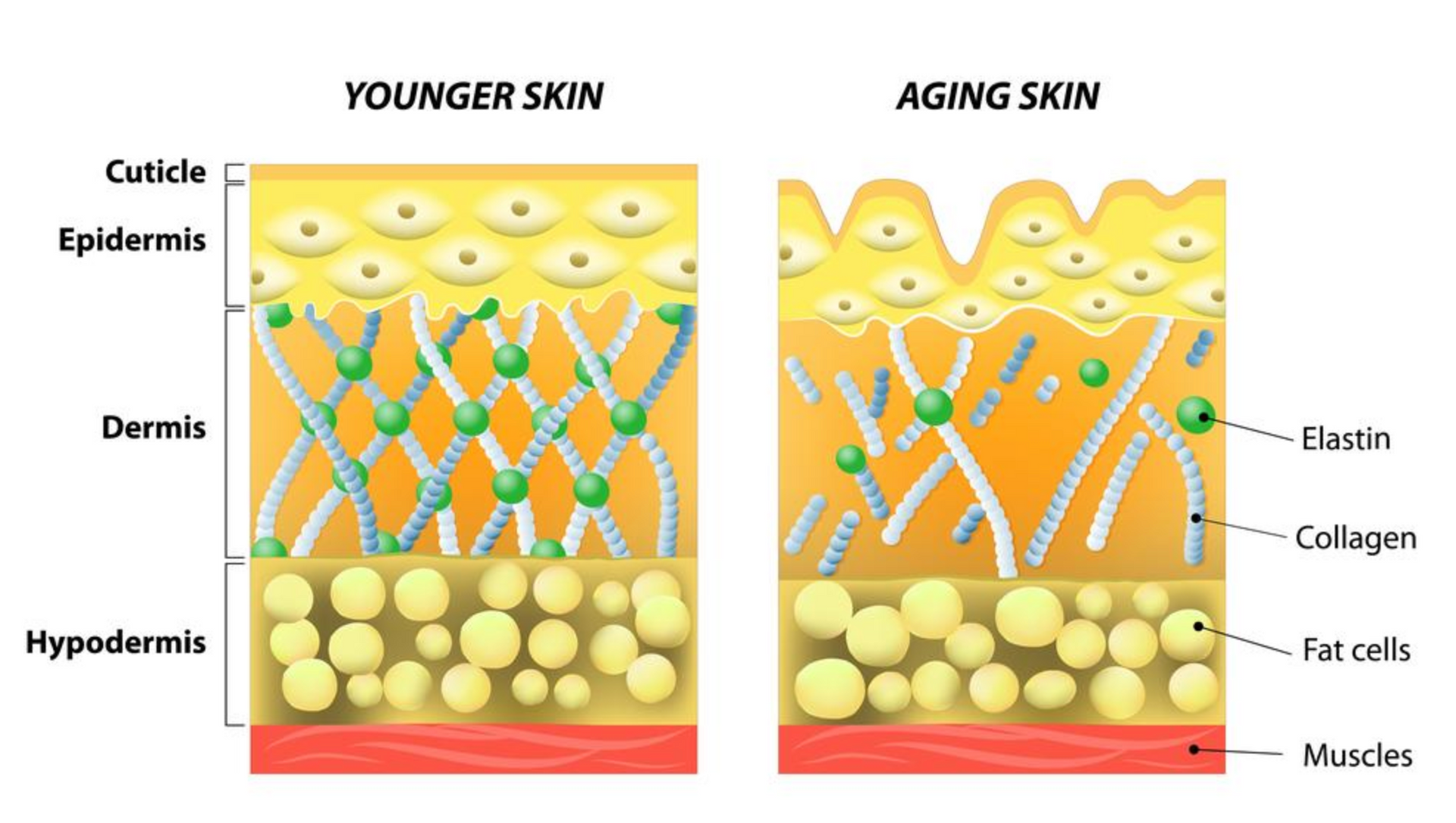
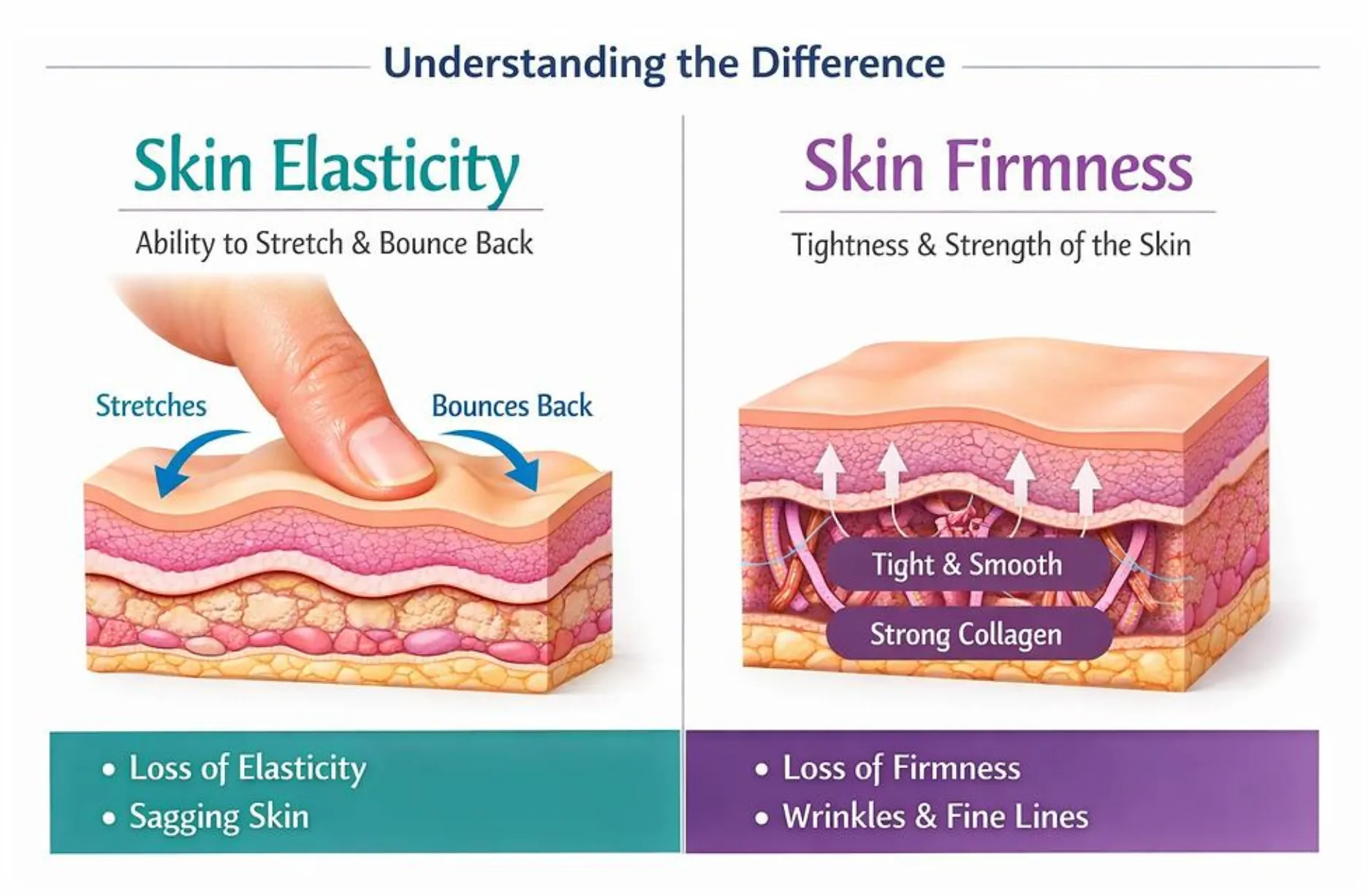
Aging is often oversimplified as volume loss. That is part of the story, but it is far from the whole picture. Starting around age 30, collagen production decreases by about 1 percent per year. At the same time, elastin fibers weaken, skin becomes thinner, and structural support begins to decline.
This leads to:
- Crepey texture and thinning skin
- Loss of elasticity and firmness
- Fine lines that do not respond well to volume alone
- Changes in how light reflects off the skin
Volume loss certainly plays a role, especially in the cheeks and temples. But many patients in their 50s and 60s notice something deeper. They tell me they do not necessarily look hollow, they just do not look like themselves anymore.
Aging is not just about what is missing. It is about what is weakening.
What Are Biostimulators?
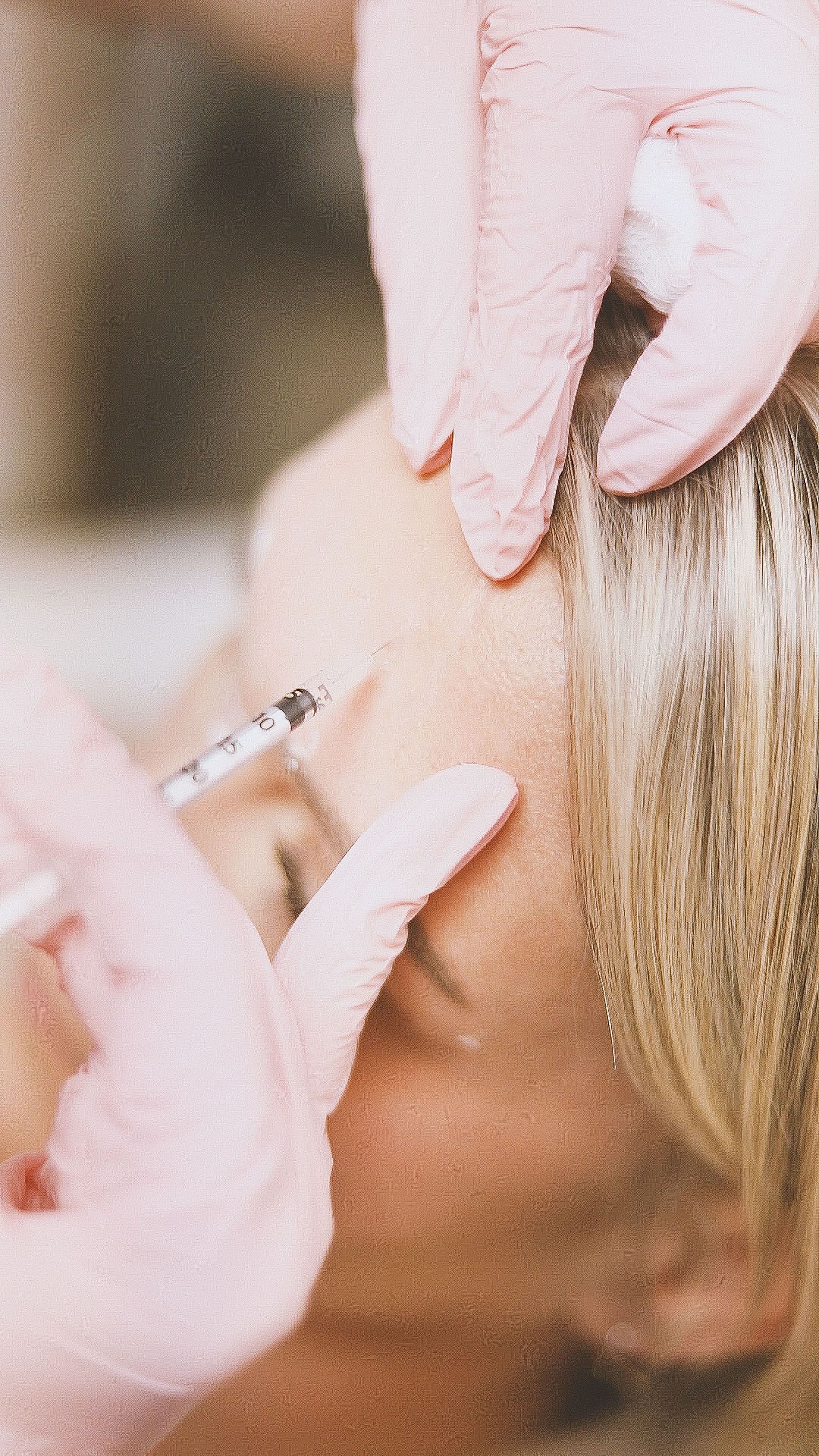
Biostimulators represent a different philosophy in aesthetic medicine. Instead of acting as a placeholder under the skin, they stimulate your body to regenerate its own collagen over time. Two of the most well-known options are Radiesse and Sculptra.
- Radiesse is made of calcium hydroxylapatite microspheres suspended in a gel carrier. It provides some immediate structure while also triggering collagen production.
- Sculptra uses poly-L-lactic acid to gradually stimulate collagen over several weeks to months, with no immediate volumizing effect.
Unlike traditional fillers, these treatments do not just sit in the tissue. They activate your body's natural repair processes, improving skin thickness, elasticity, and overall quality.
Biostimulators vs Traditional Fillers
Understanding the difference between these approaches can help clarify which option aligns with your goals.
Biostimulators
- Build collagen over time
- Improve skin quality gradually
- Long-term tissue regeneration
- Subtle, natural enhancement
- Ideal for restoring skin integrity
Traditional Fillers
- Add volume instantly
- Provide immediate contour
- Temporary structural support
- Carry a risk of looking overfilled
- Ideal for sculpting
Traditional hyaluronic acid fillers still have an important role. They are excellent for targeted contouring, like enhancing lips or defining the jawline. But when skin quality has declined, adding more volume alone can sometimes highlight the issue rather than correct it.
Who Is the Ideal Candidate?
Biostimulators tend to resonate with a very specific type of patient, one who values subtlety and authenticity. You may be a strong candidate if you have ever thought any of these:
- I do not want to look different, just better.
- I look tired, but I am not sure why.
- My skin feels thinner or looser than it used to.
They are particularly beneficial for:
- Mild to moderate skin laxity
- Crepey texture in areas like the cheeks, jawline, or neck
- Thinning skin after weight loss
- Patients in their 40s, 50s, and 60s seeking gradual rejuvenation
Post-weight loss patients in particular often experience both volume loss and structural decline, which makes collagen stimulation a powerful tool for restoring balance.
Why Collagen Stimulation Matters More Than Volume
Here is where the conversation shifts from cosmetic to foundational. You cannot build a strong structure on a weak foundation.
Adding volume to skin that has lost elasticity and thickness can sometimes lead to results that feel heavy or unnatural. This is where many patients begin to feel like they have had too much done, even when the goal was subtle improvement.
Collagen changes everything:
- It improves how the skin holds shape
- It enhances elasticity and bounce
- It creates a smoother, more refined texture
- It supports other treatments more effectively
You cannot filler your way out of poor skin quality.
According to research available through the National Institutes of Health, collagen-stimulating treatments can improve dermal thickness and structural integrity over time.
How I Use Biostimulators in a Treatment Plan
There is no one-size-fits-all approach to aging well. Biostimulators are often part of a broader, layered treatment strategy designed to restore skin health from multiple angles. In many cases I combine them with:
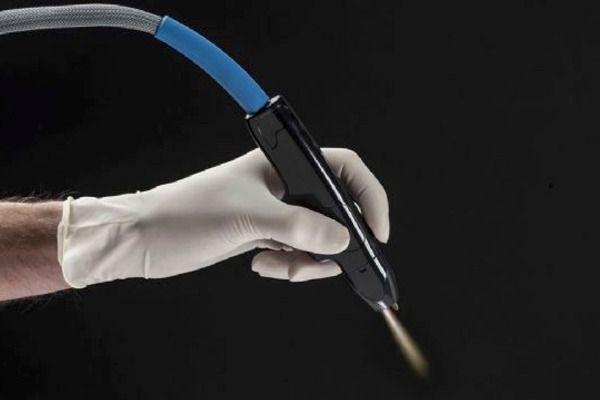
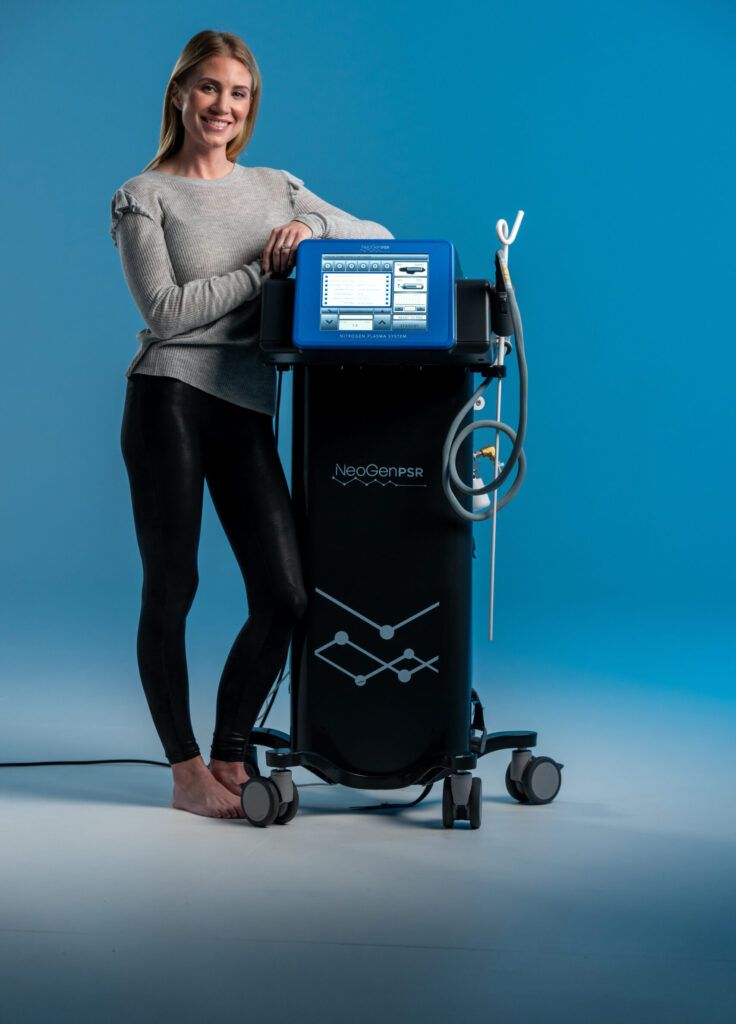
- NeoGen plasma treatments
- Microchanneling for collagen support
- Medical-grade skincare regimens
This integrative approach allows for better collagen response, longer-lasting results, and more natural, progressive improvement. Rather than chasing a quick fix, the goal becomes restoring skin function and resilience. Patients from Loomis, Roseville, Granite Bay, Rocklin, and Auburn come to my studio for exactly this kind of plan.
What to Expect: A Realistic Timeline
One of the most important differences between fillers and biostimulators is timing. Biostimulators require patience, but they reward it.
Best results are often seen after a series of treatments. This gradual progression is actually one of their biggest advantages. Instead of a sudden, noticeable change, you experience a slow return to a more refreshed, natural version of yourself. Friends may notice you look better, but they will not necessarily know why. Current pricing is on my pricing page.
Regenerative Aesthetics Is the Future
The aesthetic industry is evolving. Patients are becoming more informed, more intentional, and more interested in treatments that align with how the body naturally functions.
Biostimulators reflect that shift. They do not mask aging, they work with it. They do not add, they restore. And for many patients, that makes all the difference.
Frequently Asked Questions About Biostimulators and Fillers
Both are considered safe when performed by experienced providers. They simply work in different ways.
Results can last 1 to 2 years or longer, depending on the product and treatment plan.
Not necessarily. Many patients benefit from a combination approach.
Mild swelling or bruising can occur, but downtime is typically minimal.
Gradual improvement begins within weeks, with full results developing over several months.
Unlike hyaluronic acid fillers, biostimulators are not easily reversible, which is why proper technique is essential.
Yes. They are particularly effective for improving skin texture and thickness.
Most patients require a series of 2 to 3 sessions spaced several weeks apart.
Yes, especially for restoring skin structure and quality.