Crepey skin is one of the most common concerns my patients notice as they age. The skin begins to look thin, wrinkled, and fragile, often resembling the texture of crepe paper. This change can appear on the face, neck, under the eyes, and even the chest.
While crepey skin is often associated with aging, the underlying causes are more complex. Collagen decline, sun exposure, dehydration, inflammation, and lifestyle habits all contribute to the gradual thinning of the skin. Understanding what causes crepey skin is the first step toward restoring healthier, smoother skin.
At Good Skin Aesthetics, many of my patients from Loomis, Roseville, Granite Bay, and Rocklin are looking for solutions that stimulate natural collagen regeneration rather than simply masking the problem.
In this guide I explain why crepey skin develops, where it appears most often, and what modern regenerative treatments can do to improve skin texture and resilience.
What Is Crepey Skin?
Crepey skin refers to skin that has become thin, loose, and finely wrinkled, creating a delicate texture similar to crepe paper. Unlike deeper wrinkles or sagging, crepey skin typically appears as:
- Fine surface wrinkling
- Loss of elasticity
- Thin or fragile skin
- A slightly loose or crinkled appearance
The condition can affect both the face and body, but it tends to develop in areas where the skin is naturally thinner. While aging plays a major role, crepey skin is primarily caused by collagen depletion and skin barrier decline.
What Causes Crepey Skin?
Several biological and environmental factors contribute to crepey skin over time.
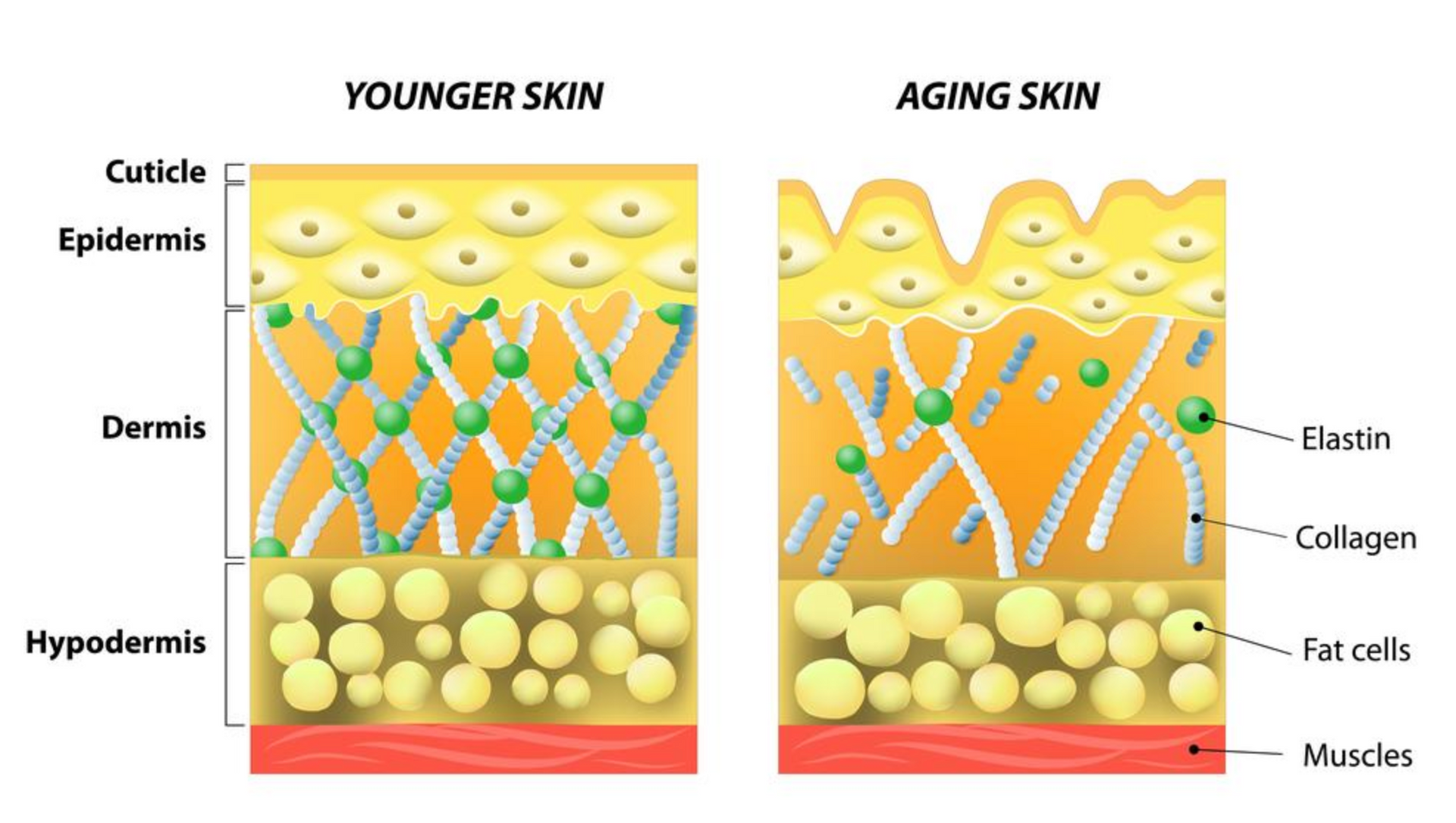
Collagen and Elastin Decline
Collagen and elastin are structural proteins that give the skin strength and flexibility. Beginning in our mid-20s, collagen production gradually slows. By the time many patients reach their 40s and 50s, collagen levels have significantly decreased. Without strong collagen support, the skin becomes thinner and less able to maintain a smooth surface.
This structural change allows the skin to fold more easily, creating the crepey appearance.
Sun Exposure
Ultraviolet radiation is one of the most significant contributors to premature skin aging. Repeated sun exposure accelerates collagen breakdown and damages elastin fibers. Over time, this leads to thinner skin, uneven texture, and visible wrinkling.
According to the American Academy of Dermatology, up to 80 percent of visible skin aging is caused by cumulative sun exposure.
Dehydration and Skin Barrier Damage
Healthy skin relies on a strong barrier to retain moisture. When the skin becomes dehydrated, it loses its ability to remain smooth and plump. A weakened skin barrier can lead to:
- Increased fine wrinkling
- Reduced elasticity
- Rough or fragile texture
Hydration and barrier support are important components of maintaining skin quality, which is why I build a home skincare plan alongside every in-office treatment.
Chronic Inflammation
Low-grade inflammation in the skin can gradually degrade collagen and elastin fibers. This process, sometimes referred to as inflammaging, contributes to many visible signs of aging including crepey texture.
Inflammation may be triggered by environmental stressors, oxidative damage, and certain lifestyle factors.
Lifestyle Factors
Certain habits can accelerate skin thinning and collagen loss. These factors influence cellular repair processes and can affect how quickly the skin begins to age.
Habits That Protect Collagen
- Eating nutrient-dense foods
- Staying hydrated
- Prioritizing sleep
- Daily broad-spectrum sun protection
- Managing stress
Habits That Accelerate Thinning
- Smoking
- Poor sleep quality
- Excessive alcohol consumption
- Nutritional deficiencies
- Chronic stress
Where Does Crepey Skin Appear Most Often?
Crepey skin tends to develop in areas where the skin is naturally thin and more vulnerable to collagen loss. Common areas include:
- Crepey skin under the eyes
- Crepey neck skin
- Crepey cheeks
- Crepey chest skin
These areas experience frequent movement, sun exposure, and natural collagen decline, making them more susceptible to texture changes over time.
Why Crepey Skin Is Difficult to Treat With Creams Alone
Many topical products promise to tighten or smooth crepey skin. Quality skincare supports hydration and skin barrier health, but most over-the-counter products work primarily on the surface layers. Crepey skin develops because of structural changes in the deeper dermis.
What Good Skincare Can Do
- Improve hydration
- Strengthen the skin barrier
- Smooth surface texture
- Protect against further UV damage
What Creams Cannot Do
- Rebuild collagen in the deeper dermis
- Restore lost skin thickness
- Reactivate fibroblast cells
- Reverse structural elastin damage
Creams alone cannot rebuild lost collagen deep within the skin.
This is why many of my patients explore treatments designed to stimulate collagen regeneration beneath the surface.
Regenerative Treatments That Improve Crepey Skin
Modern aesthetic medicine increasingly focuses on treatments that encourage the skin to regenerate rather than simply tighten the surface. One example is nitrogen plasma skin regeneration, which stimulates the skin's natural repair process.
NeoGen Plasma Skin Regeneration
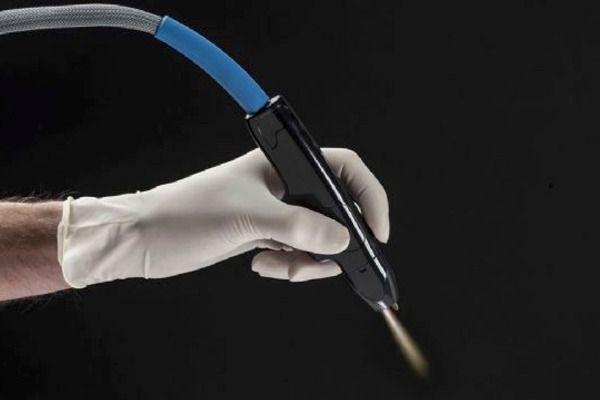
NeoGen plasma treatments use controlled nitrogen plasma energy to deliver thermal stimulation to the skin. This energy activates fibroblasts, the cells responsible for producing collagen and elastin. When these cells are stimulated, the skin begins a remodeling process that can gradually improve:
- Skin firmness
- Texture
- Fine wrinkling
- Overall skin quality
Unlike some traditional resurfacing treatments that remove layers of skin, plasma regeneration works by encouraging internal collagen remodeling. Over time, this regenerative process can lead to smoother, stronger, healthier skin.
PlasmFecta®: A Progressive Skin Rejuvenation Approach
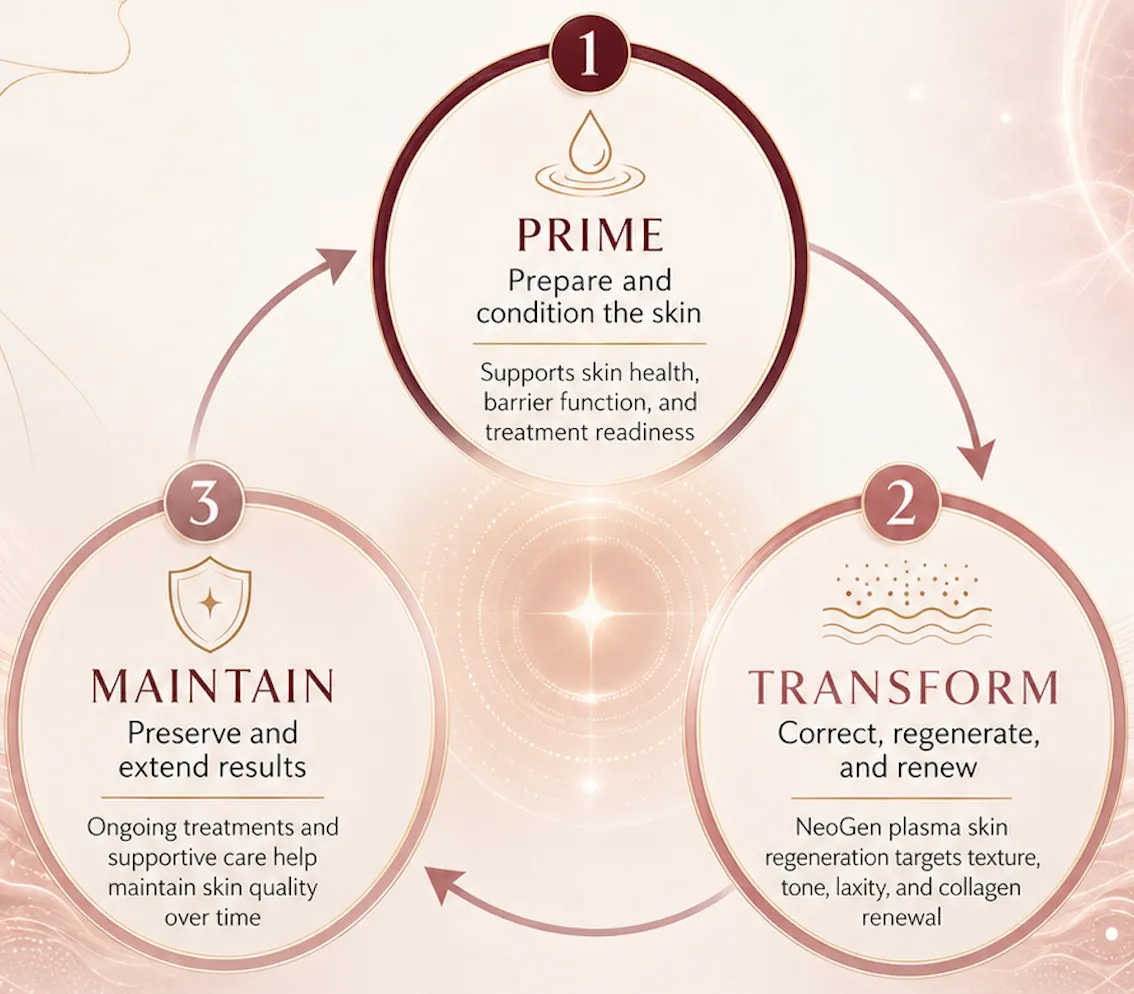
At Good Skin Aesthetics, I often perform NeoGen treatments as part of the PlasmFecta® protocol. This structured treatment plan focuses on three phases of skin regeneration:
- Prime. I prepare the skin with supportive treatments that optimize its ability to regenerate.
- Transform. NeoGen plasma energy stimulates collagen remodeling and improves skin quality.
- Maintain. Maintenance treatments support long-term skin health and slow the progression of aging changes.
This progressive approach lets you improve skin texture gradually while keeping results natural-looking.
Benefits of Regenerative Treatments for Crepey Skin
Treatments that stimulate collagen regeneration offer several advantages compared with purely surface-level procedures. Patients often appreciate that these treatments:
- Encourage natural collagen production
- Improve skin thickness and elasticity
- Enhance overall skin quality
- Produce gradual, natural-looking improvements
- Avoid surgical procedures
Because collagen remodeling occurs gradually, improvements continue to develop over several months rather than appearing overnight.
Many patients from Loomis, Roseville, Granite Bay, and Rocklin explore these treatments when they want skin rejuvenation without surgery or dramatic changes to their appearance. Current options and investment levels are on my pricing page.
Preventing Crepey Skin
Although aging cannot be stopped, several strategies can help slow the development of crepey skin.
Daily Sun Protection
Sunscreen remains the single most effective way to prevent collagen breakdown. Dermatologists recommend broad-spectrum SPF 30 or higher every day, even during cloudy weather.
Hydration and Skin Barrier Care
Using medical-grade moisturizers and barrier-supporting skincare can help maintain smoother skin texture.
Collagen-Supporting Treatments
Treatments that stimulate fibroblasts, including microchanneling and plasma regeneration, support long-term skin health by encouraging collagen production.
Healthy Lifestyle Habits
Supporting skin health internally is equally important. Nutrient-dense food, consistent hydration, quality sleep, avoiding smoking, and managing stress all support the body's natural repair processes.
When to Consider Professional Treatment
Many patients begin exploring treatment when crepey skin becomes noticeable under makeup, or when skincare products are no longer producing visible improvements.
Early treatment often produces the best results because the skin still retains some regenerative capacity. A consultation helps determine the most appropriate approach based on your skin condition and goals.
Frequently Asked Questions About Crepey Skin
Crepey skin is primarily caused by collagen and elastin loss, sun damage, dehydration, and age-related thinning of the skin.
Many people begin noticing crepey skin in their late 30s or 40s as collagen production declines.
While it may not be completely reversed, treatments that stimulate collagen production can significantly improve skin texture and thickness.
No. Wrinkles are deeper folds in the skin, while crepey skin refers to thin, finely wrinkled skin with reduced elasticity.
Dehydration can worsen crepey skin by reducing the skin's ability to remain smooth and resilient.
Daily sunscreen use helps prevent collagen breakdown caused by ultraviolet radiation. The American Academy of Dermatology identifies sun exposure as a major contributor to visible skin aging.
Topical products can improve hydration and skin barrier function but typically cannot rebuild collagen deep in the skin.
Collagen-stimulating treatments such as plasma regeneration, microchanneling, and regenerative therapies may help improve skin thickness and texture.
Yes. Crepey skin is a very common age-related skin change and affects many areas of the face and body.