Sunscreen is one of the most important steps in any skincare routine, yet many people still feel confused when choosing between chemical and mineral sunscreen formulas. Add in tinted sunscreens, physical sun barriers, SPF ratings, and ingredient labels, and the decision can quickly become overwhelming.
The reality is that sunscreen is not simply a cosmetic product. Daily sun protection plays a major role in preventing:
- Premature aging
- Hyperpigmentation
- Collagen breakdown
- Sunburns
- Certain skin cancers
- Worsening redness and inflammation
Whether you are investing in professional skincare, collagen-stimulating treatments, or simply trying to maintain healthy skin long term, sunscreen remains essential.
In this guide, we break down the differences between chemical and mineral sunscreen, explain physical sun barriers, discuss tinted SPF options, and help you determine which type of protection may fit your skin goals best.
Why Sunscreen Matters More Than Most People Realize
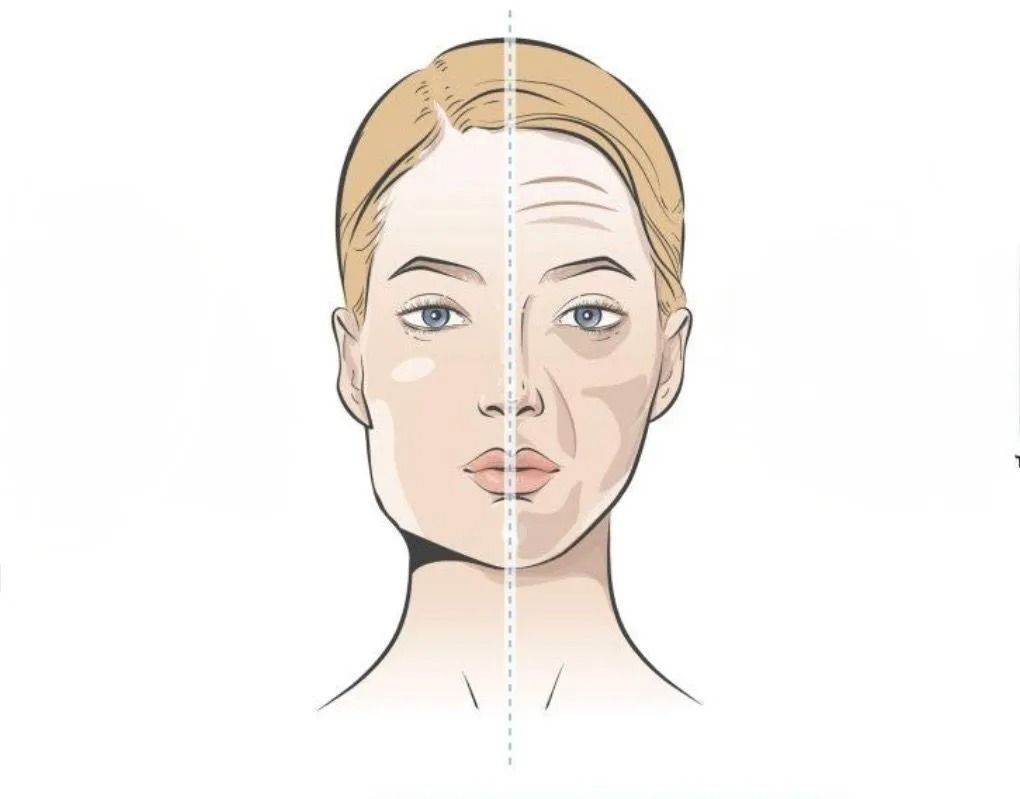
Ultraviolet radiation from the sun contributes significantly to visible skin aging. According to the American Academy of Dermatology, UV exposure accelerates:
- Fine lines
- Wrinkles
- Pigmentation
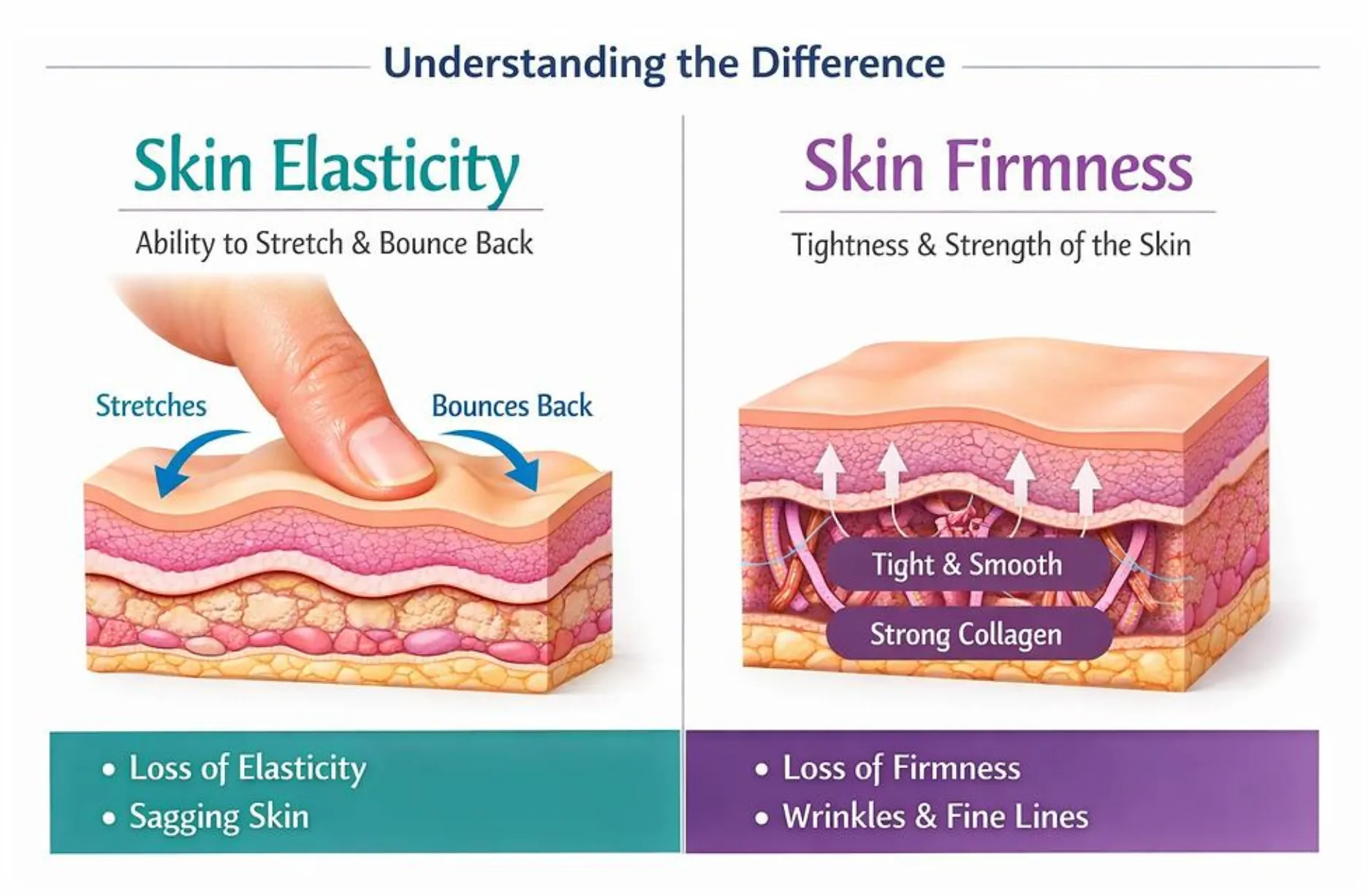
- Loss of elasticity
- Uneven texture
Daily sunscreen use helps reduce cumulative sun damage while protecting collagen and overall skin health. Research published in Annals of Internal Medicine also found that consistent sunscreen use slowed visible skin aging over time.
Even on cloudy days or indoors near windows, ultraviolet exposure can affect the skin.
What Is the Difference Between Chemical and Mineral Sunscreen?
The primary difference lies in how the sunscreen filters UV radiation.
Chemical Sunscreens
Chemical sunscreens absorb UV rays and convert them into heat before releasing them from the skin. Common chemical sunscreen ingredients include:
- Avobenzone
- Octinoxate
- Oxybenzone
- Octisalate
- Homosalate
Mineral Sunscreens
Mineral sunscreens, also called physical sunscreens, use mineral ingredients to reflect and scatter UV radiation. The two primary mineral sunscreen ingredients are:
- Zinc oxide
- Titanium dioxide
Both types can provide effective broad-spectrum protection when formulated correctly.
How Chemical Sunscreens Work
Chemical sunscreens are popular because they tend to feel lightweight and blend easily into the skin.
Benefits
- Sheer finish
- Lightweight texture
- Often invisible on deeper skin tones
- Easy layering under makeup
- Comfortable for daily wear
Potential Downsides
- May irritate sensitive skin
- Can sting around the eyes
- Some formulas may trigger rosacea or acne-prone skin
- Require absorption time before sun exposure
Certain individuals also prefer to avoid some chemical UV filters due to environmental concerns or skin sensitivities.
How Mineral Sunscreens Work
Mineral sunscreens sit on the skin's surface and physically block UV radiation.
Benefits
- Gentle on sensitive skin
- Often recommended after procedures
- Less irritating for rosacea-prone skin
- Broad-spectrum UV protection
- Immediate protection after application
Potential Downsides
- May leave a white cast
- Thicker texture
- Some formulas feel heavier on oily skin
Modern mineral formulations have improved dramatically in terms of elegance and wearability compared to older sunscreens.
Is Mineral Sunscreen Better for Sensitive Skin?
For many people, yes. Dermatologists frequently recommend mineral sunscreen for:
- Sensitive skin
- Rosacea
- Post-procedure skin
- Acne-prone complexions
- Children
Zinc oxide in particular is often well tolerated because it is non-irritating and anti-inflammatory.
Patients recovering from treatments such as lasers, microchanneling, or advanced rejuvenation procedures may especially benefit from mineral SPF recommendations provided by aesthetic professionals.
Understanding Physical Sun Barriers
Sunscreen is important, but it should not be your only form of sun protection. Physical barriers provide additional defense against UV exposure.
- Wide-brimmed hats
- UV-protective clothing
- Sunglasses
- Shade structures
- Long sleeves
- Umbrellas
The Skin Cancer Foundation recommends combining sunscreen with protective clothing and shade whenever possible for comprehensive UV protection.
What Is Tinted Sunscreen?
Tinted sunscreen combines SPF protection with pigment, often using iron oxides to help blend into the skin and improve cosmetic appearance. Tinted SPF products have become increasingly popular because they can:
- Reduce white cast
- Even skin tone
- Replace light foundation
- Provide additional visible light protection
Why Visible Light Protection Matters
Visible light, especially blue light and high-energy visible light, may worsen pigmentation disorders such as melasma and post-inflammatory hyperpigmentation. Iron oxides commonly found in tinted mineral sunscreen can help provide added defense against visible light exposure.
Who Benefits Most From Tinted Sunscreen?
Tinted sunscreen may be especially helpful for:
- Melasma-prone skin
- Hyperpigmentation concerns
- Acne discoloration
- Deeper skin tones
- Patients wanting makeup-like coverage
Many aesthetic patients appreciate tinted SPF because it simplifies morning skincare routines while supporting daily protection goals.
Chemical vs Mineral Sunscreen: Which Is Better?
There is no universal answer.
The best sunscreen is the one you will wear consistently every day.
Chemical May Be Better If You
- Prefer lightweight textures
- Want invisible finishes
- Wear makeup daily
- Have oily skin
- Dislike heavier creams
Mineral May Be Better If You
- Have sensitive skin
- Experience rosacea
- Recently had aesthetic procedures
- Prefer fewer potential irritants
- Want pregnancy-friendly options
At Good Skin Aesthetics in Loomis, patients from Loomis, Roseville, Granite Bay, Rocklin, Auburn, and Lincoln often explore personalized skincare recommendations. Our skincare consultations often include customized SPF guidance based on skin type, treatment plans, and pigmentation concerns.
What SPF Level Should You Use?
Most dermatologists recommend:
- SPF 30 or higher for daily use
- Broad-spectrum protection
- Reapplication every two hours during outdoor exposure
Higher SPF numbers do not mean all-day protection.
No sunscreen blocks 100% of UV radiation.
Common Sunscreen Mistakes
Even high-quality sunscreen can underperform when applied incorrectly.
Not Applying Enough
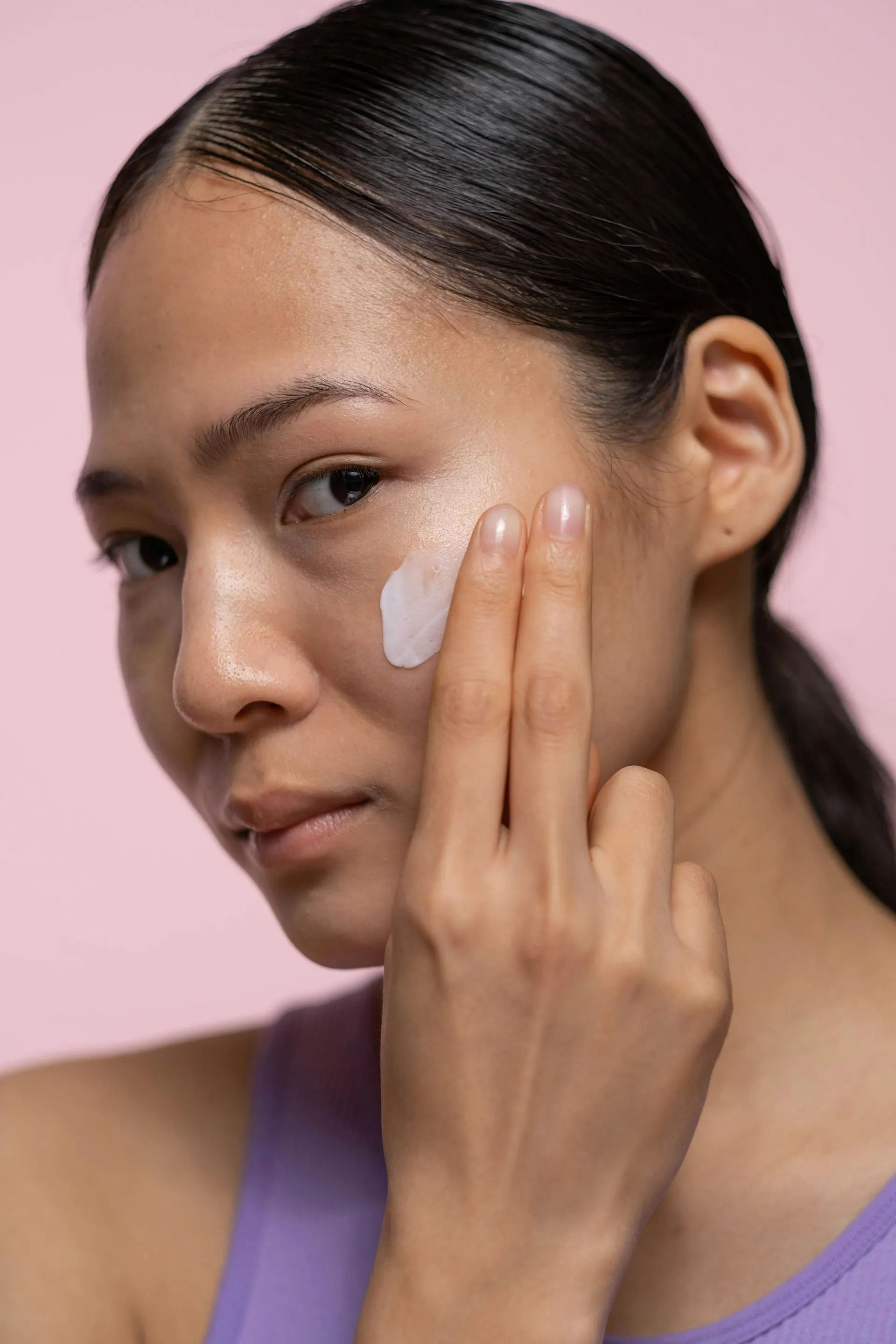
Most adults need approximately a nickel-sized amount for the face alone.
Skipping Reapplication
Sweat, water, and normal wear reduce sunscreen effectiveness over time.
Ignoring Neck and Chest Areas
The neck, chest, ears, and hands are common areas of visible sun aging.
Using Expired Sunscreen
Expired formulas may lose effectiveness.
Sunscreen and Anti-Aging
One of the most overlooked anti-aging strategies is simply preventing UV damage before it accumulates. Consistent sunscreen use helps preserve:
- Collagen
- Elasticity
- Even pigmentation
- Skin texture
- Overall skin health
Many cosmetic concerns treated later with lasers, resurfacing, injectables, or regenerative procedures are directly linked to cumulative sun exposure.
That is why sunscreen is often considered the foundation of preventative skincare.
How to Layer Sunscreen With Skincare Products
A simple morning skincare routine may include:
- Cleanser
- Antioxidant serum
- Moisturizer
- Sunscreen
- Makeup
Sunscreen should generally be the final skincare step before cosmetics.
Can You Use Makeup With SPF Alone?
Usually not. While SPF-containing makeup can contribute additional protection, most people do not apply enough product to achieve the labeled SPF value. Dedicated sunscreen remains important.
Final Thoughts on Choosing the Right Sunscreen
Both chemical and mineral sunscreens can effectively protect the skin when used properly. The right choice depends on your skin type, lifestyle, cosmetic preferences, and sensitivity level.
For some individuals, lightweight chemical formulas encourage daily consistency. Others prefer the gentleness and post-procedure compatibility of mineral sunscreens. Tinted formulations can also provide additional cosmetic and pigmentation benefits.
The most important factor is consistent daily use combined with other forms of sun protection.
If you are interested in personalized skincare recommendations, pigmentation management, or advanced collagen-supporting treatments, schedule an appointment to learn more about customized aesthetic care designed to support long-term skin health.
Frequently Asked Questions About Sunscreen
Chemical sunscreens absorb UV rays, while mineral sunscreens physically block and scatter UV radiation.
Many dermatologists recommend mineral sunscreen for sensitive or post-procedure skin because it is often less irritating.
Tinted sunscreen helps provide SPF protection while evening skin tone and reducing visible white cast.
Yes. Iron oxides in tinted sunscreen may help protect against visible light that can worsen melasma.
SPF 50 blocks slightly more UVB radiation, but both require regular reapplication.
Daily sunscreen use helps reduce UV-related collagen breakdown and premature aging.
UV exposure through windows can still contribute to skin aging and pigmentation.
Yes. Many lightweight non-comedogenic sunscreen formulas are designed for acne-prone skin.
Every two hours during sun exposure, especially after sweating or swimming.