Skincare in 2026 looks nothing like it did even a few years ago. The most effective treatments today do not rely on quick fixes or aggressive correction. They focus on long-term skin health, regenerative technology, and consistent daily care that works in harmony with your biology.
Patients from Loomis, Roseville, Rocklin, Granite Bay, and Lincoln keep asking me the same question. What should I be doing now to protect my skin for the future? The answer lies in a thoughtful combination of advanced in-office treatments and clinical-grade skincare used consistently at home.
Modern aesthetic medicine is no longer about chasing wrinkles. It is about improving skin quality at the cellular level. Technologies like plasma resurfacing, microchanneling, and biostimulators are powerful tools, but their success depends on what supports them daily.
This guide covers the most important emerging skincare technologies shaping 2026, why medical-grade skincare is more essential than ever, and how a personalized, preventive approach can help your skin age stronger, healthier, and more naturally over time.
Why 2026 Is a Turning Point for Skin Health
Several forces are converging to reshape aesthetic medicine:
- Increased demand for natural-looking results
- Advances in non-thermal and plasma-based devices
- A shift toward collagen stimulation instead of just volume replacement
- More education-driven patients seeking preventive care
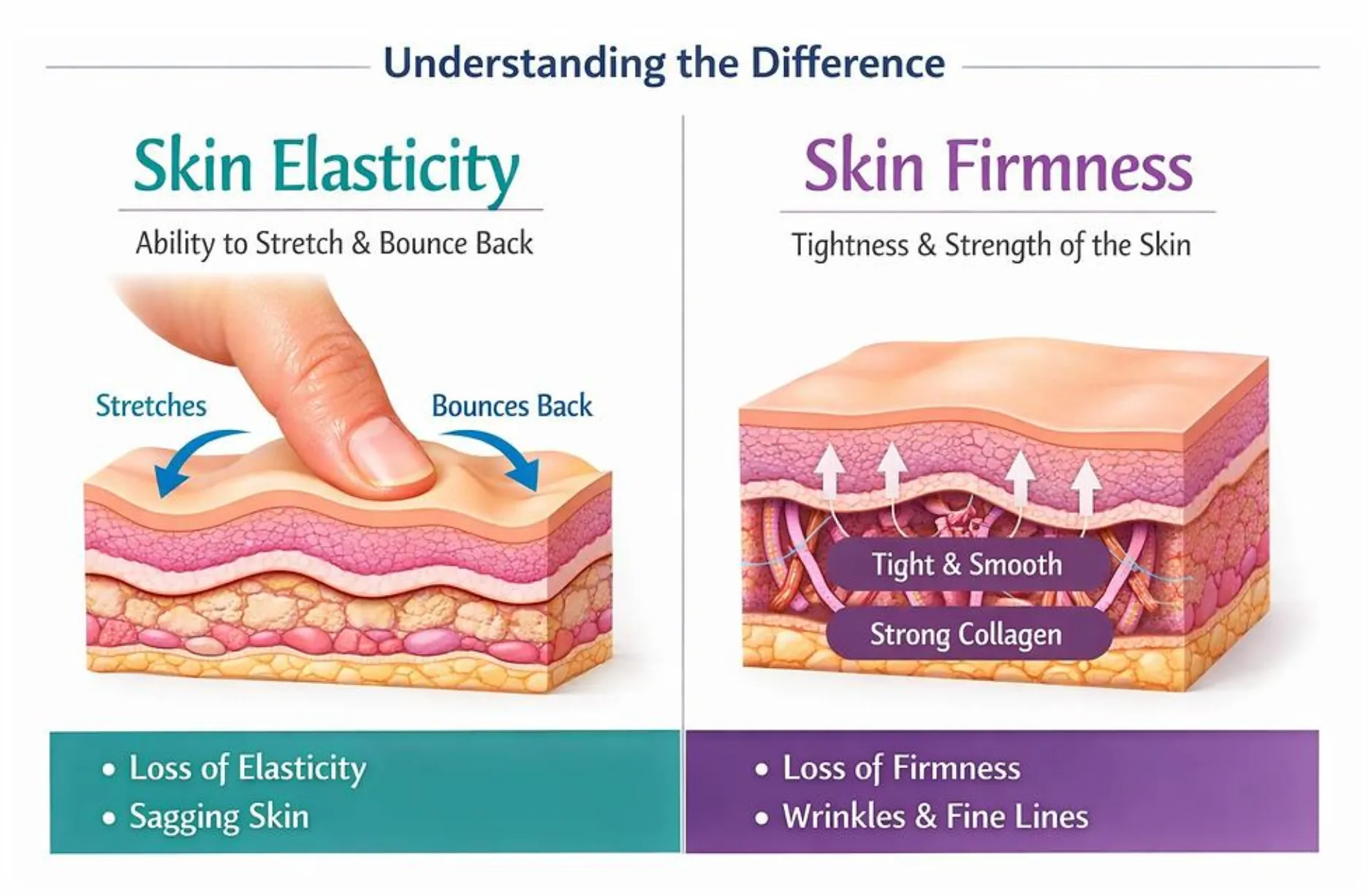
Rather than chasing wrinkles, modern aesthetics focuses on improving skin quality at the cellular level, supporting collagen, elastin, barrier function, and regeneration.
Plasma-Based Skin Regeneration: The Rise of NeoGen
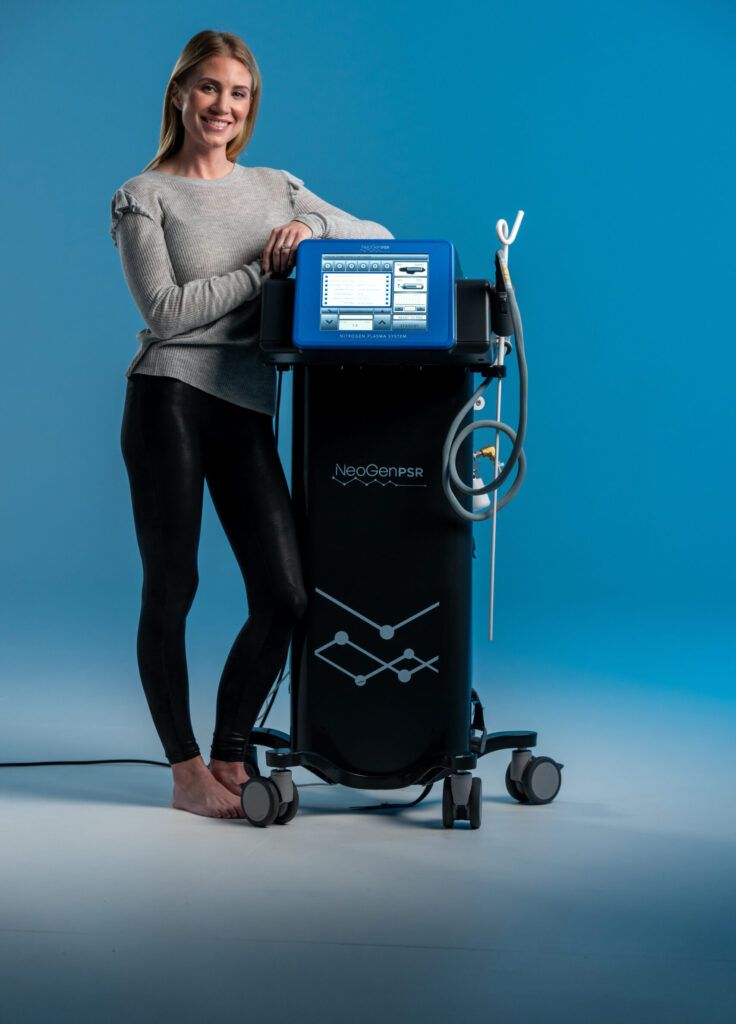
Plasma technology is quickly becoming one of the most talked-about advancements in aesthetic medicine, and NeoGen PSR is at the forefront.
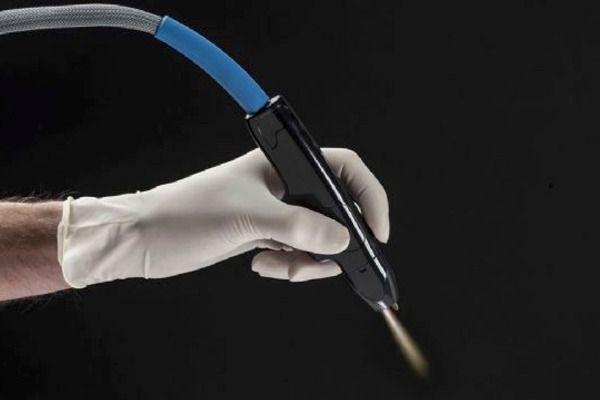
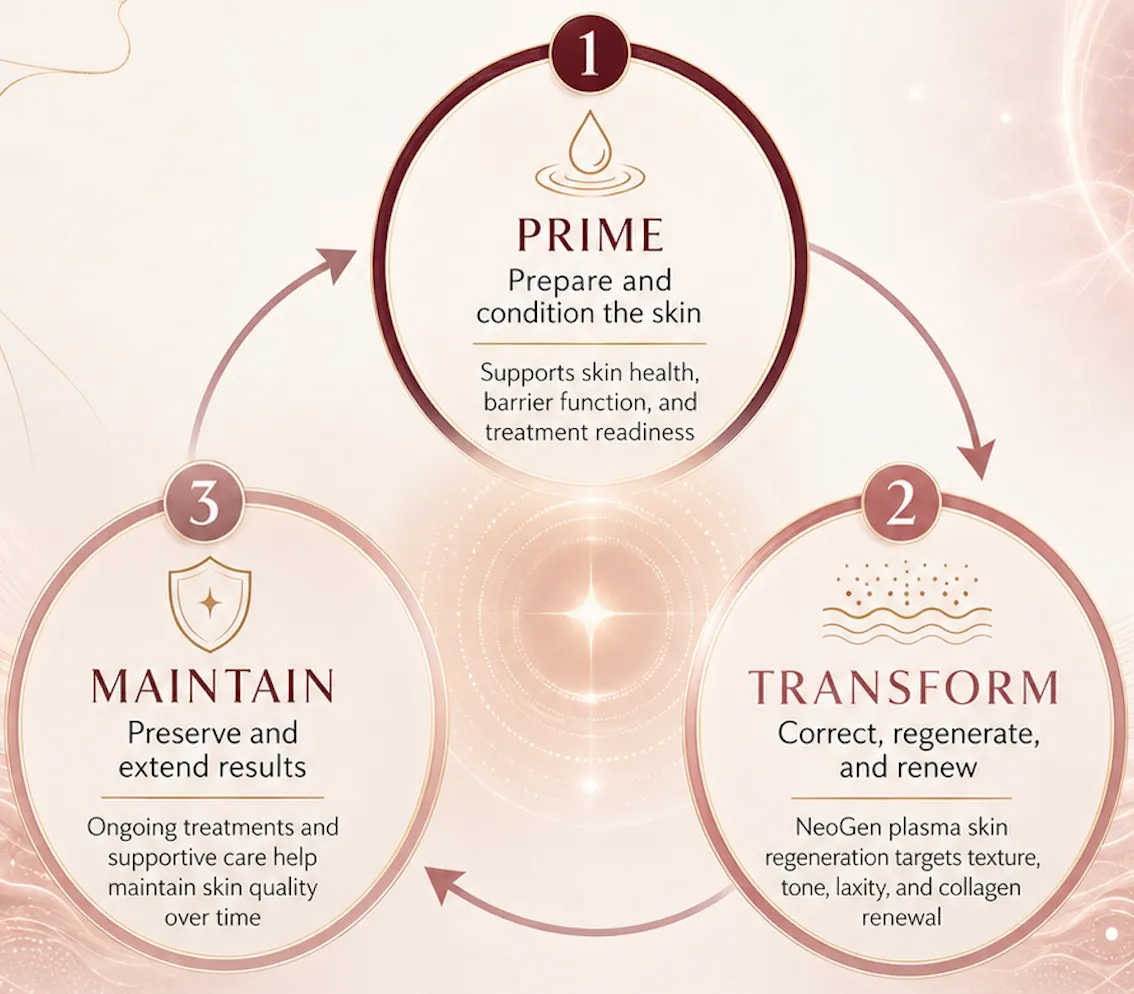
NeoGen uses controlled nitrogen plasma energy to rejuvenate the skin without relying on lasers or radiofrequency heat. Instead of damaging surrounding tissue, plasma energy triggers a regenerative response that stimulates collagen while preserving the skin barrier. Key advantages include:
- Minimal downtime compared to ablative lasers
- Safe for a wider range of skin tones
- Improved texture, tone, and laxity
- Reduced risk of post-inflammatory hyperpigmentation
I often recommend NeoGen for patients who want visible rejuvenation without extended recovery.
Clinical-Grade Skincare: The Foundation of Every Skin Health Journey
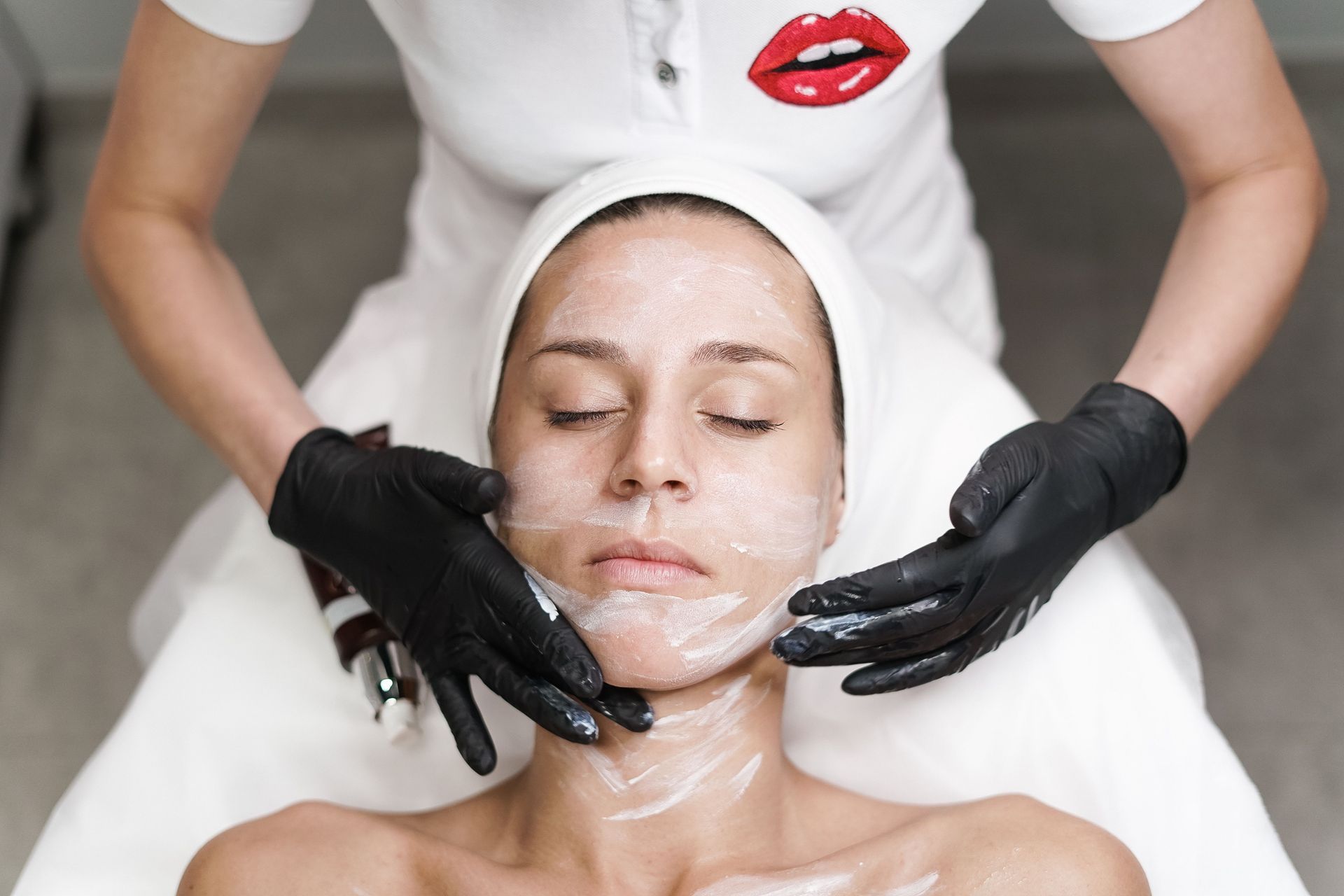
Advanced devices like NeoGen are transforming in-office results, but no skincare technology in 2026 is effective without consistent, clinical-grade skincare at home. The most advanced aesthetic practices now view professional skincare as non-negotiable, not optional.
Why Skincare Is More Important Than Ever
Emerging treatments stimulate collagen, cellular turnover, and regeneration, but your skin's ability to respond depends on what you do every single day. Clinical-grade skincare supports these treatments by strengthening the skin barrier, regulating inflammation, supporting collagen synthesis, improving cell turnover, and protecting results long term.
According to the American Academy of Dermatology, daily exposure to UV radiation, pollution, and oxidative stress accelerates collagen breakdown, even in younger skin. Without proper skincare, in-office treatments cannot reach their full potential.
Medical-Grade vs Over-the-Counter Skincare
Patients are more educated and more selective than ever about what they put on their skin. The difference between medical-grade and over-the-counter skincare lies in concentration, penetration, and evidence-based formulation.
Clinical-Grade Skincare
- Higher active ingredient concentrations
- Formulated to penetrate beyond the surface
- Backed by clinical studies
- Dispensed under professional guidance
Where Over the Counter Falls Short
- Lower active concentrations
- Limited penetration past the surface
- Little or no clinical evidence
- No guidance on layering or timing
This level of formulation is essential for supporting regenerative treatments like plasma resurfacing, microchanneling, and biostimulators.
Skincare as a Long-Term Investment
I approach skincare as a long-term strategy, not a quick fix. Every plan I build is based on your skin type and condition, your treatment history, your lifestyle and environmental exposure, and your aging concerns and prevention goals.
Consistent use of clinical-grade skincare extends the life of in-office treatments, reduces the need for aggressive procedures later, maintains results between visits, and improves overall skin resilience. In many cases, patients who commit to professional skincare see more dramatic improvements from fewer treatments, which makes skincare one of the most cost-effective investments in aesthetic medicine.
The 2026 Mindset: Treat Skin Daily, Not Occasionally
The future of aesthetics is not about doing more treatments. It is about doing the right treatments, supported by daily care. Skincare is no longer secondary. It is the backbone of every successful skin health plan.
What you do at home matters just as much as what happens in the treatment room.
Microchanneling: A Smarter Alternative to Microneedling
Microchanneling continues to evolve and is rapidly replacing traditional microneedling in many advanced practices.
Unlike microneedling, which creates micro-injuries through puncturing, microchanneling forms precise, shallow channels without tearing the skin. This leads to:
- Faster healing times
- Reduced inflammation
- Improved absorption of growth factors and serums
- Safer treatments for sensitive or reactive skin
Microchanneling is especially effective when paired with regenerative serums or platelet-based therapies, which makes it a cornerstone treatment for 2026 skin health strategies.
Biostimulators: The Future of Natural Volume and Structure
One of the most significant trends shaping 2026 is the move away from traditional fillers toward biostimulators.
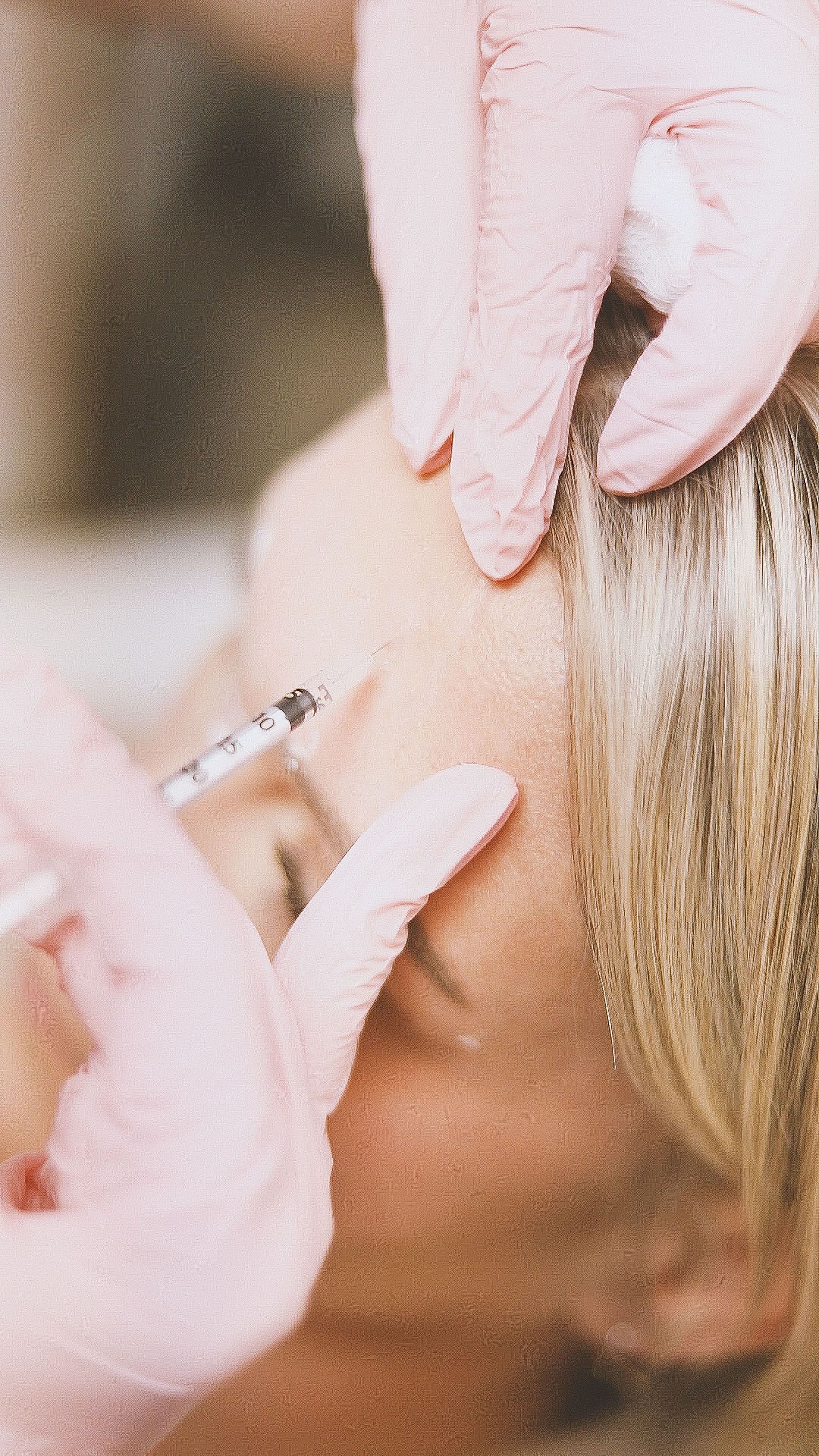
Rather than adding immediate volume, biostimulators trigger your body's natural collagen production over time. This results in gradual, natural-looking improvement in skin thickness, elasticity, facial structure, and overall skin resilience. Because results develop slowly, biostimulators align perfectly with the growing demand for subtle, age-appropriate outcomes.
Why Combination Treatments Are the New Standard
In 2026, no single device does it all. The most effective skincare plans combine technologies strategically. A typical advanced protocol may include:
- Plasma resurfacing for texture
- Microchanneling for regeneration
- Biostimulators for long-term collagen support
- Medical-grade skincare for maintenance
This layered approach lets me address multiple aging pathways at once, which delivers results that last longer and age more gracefully.
Preventive Aesthetics: Starting Earlier, Aging Better
Another defining shift for 2026 is preventive treatment. Patients in their late 20s to early 40s are increasingly choosing microchanneling for collagen preservation, light plasma treatments for early texture changes, and biostimulators to slow volume loss.
Preventive treatments help slow that collagen decline before visible aging accelerates.
Technology Alone Is Not Enough: The Role of Expertise
Advanced devices require advanced judgment. The effectiveness and safety of emerging skincare technologies depends heavily on the provider. My treatment plans are individualized based on skin biology, adjusted for lifestyle, age, and goals, and guided by medical training alongside aesthetic experience.
Technology is only as powerful as the hands using it.
What to Expect From Skincare in the Next 5 Years
Looking beyond 2026, expect continued growth in regenerative aesthetics, AI-assisted skin analysis, personalized treatment algorithms, and skin health optimization rather than cosmetic correction. The goal is no longer to look younger, but to maintain strong, healthy, resilient skin at every age.
Frequently Asked Questions About 2026 Skincare Technology
Plasma-based technologies and biostimulators are among the most advanced options, offering regenerative results with minimal downtime.
Many newer technologies, including NeoGen and microchanneling, are safer for a wider range of skin tones compared to older laser systems.
Downtime varies by treatment but is generally shorter than traditional resurfacing, often ranging from 24 to 72 hours.
They do not replace fillers entirely, but they offer a more natural, gradual alternative for collagen support and structure.
Yes. Combination protocols are often recommended for optimal results.
Some improvements are visible within weeks, while collagen-stimulating treatments continue to improve over several months.
Most are well tolerated with topical numbing. Discomfort is typically mild to moderate.
This depends on your goals, but many patients benefit from 1 to 3 treatments per year.
In-office treatments stimulate collagen and cellular renewal, but clinical-grade skincare maintains and protects those results daily. Without proper skincare, inflammation, sun damage, and environmental stress can quickly undo treatment benefits.