Aging well is not about looking different. It is about looking strong, healthy, and aligned with who you are. In Loomis, Rocklin, Roseville, Lincoln, Auburn, and Granite Bay, many patients want subtle enhancement. They want structure, skin integrity, and natural volume without looking overfilled.
That is where biostimulators come in. If you have been researching biofillers, collagen stimulators, or long-lasting fillers, you have likely come across two leading brands, Sculptra and Radiesse. These represent the two primary categories of collagen stimulators on the market: poly-L-lactic acid, known as PLLA, and calcium hydroxylapatite, known as CaHA.
In this guide I explain the science behind both, compare PLLA and CaHA directly, and cover when combining them delivers the most comprehensive, natural-looking rejuvenation.
What Are Biostimulators and How Do They Work?
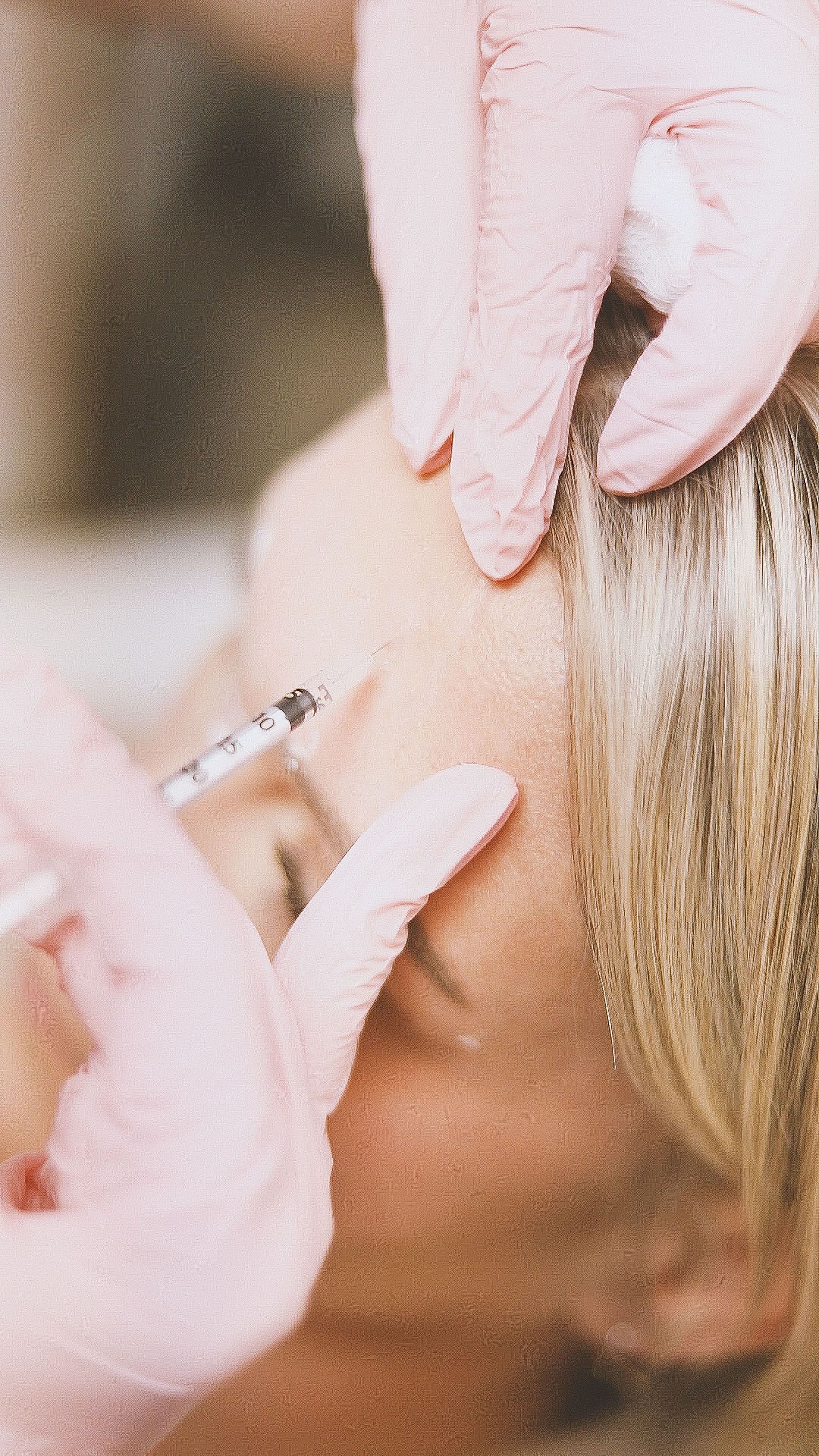
Biostimulators, also known as collagen stimulators or biofillers, are injectable treatments designed to stimulate your body's own collagen production over time.
Unlike traditional hyaluronic acid fillers that provide immediate volume by placing gel under the skin, biostimulators work more gradually. They activate fibroblasts, the cells responsible for producing collagen, which leads to:
- Improved skin thickness
- Better structural support
- Long-term volume restoration
- Enhanced skin integrity
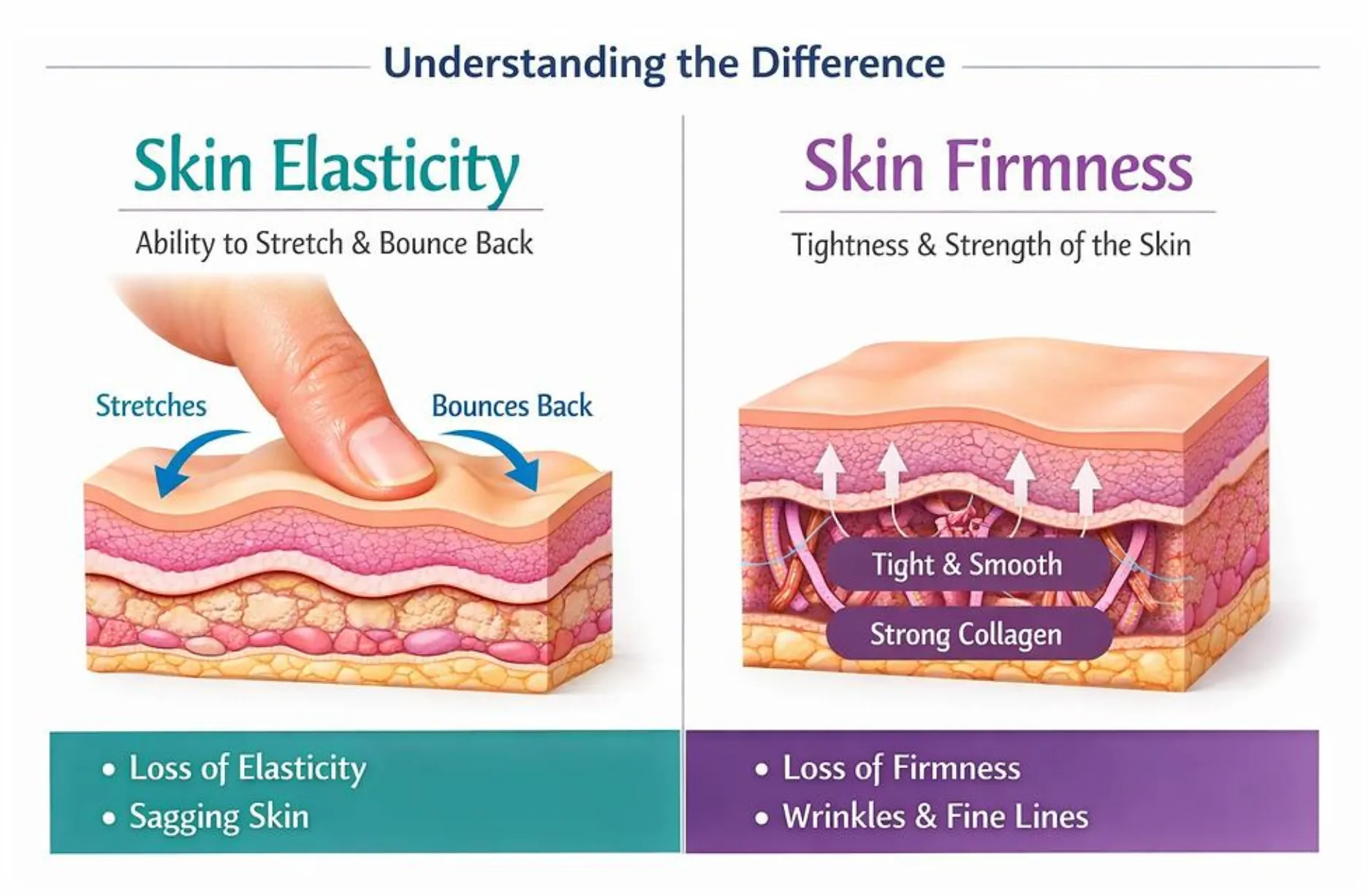
Collagen production decreases approximately 1 percent per year beginning in the mid-20s, according to the American Academy of Dermatology. This steady loss contributes to facial thinning, laxity, crepey skin, and volume depletion.
Biostimulators address the root cause of aging by rebuilding collagen from within.
PLLA: Sculptra and Poly-L-Lactic Acid
The most recognized PLLA-based collagen stimulator is Sculptra. Poly-L-lactic acid is a synthetic biocompatible material that has been used in medicine for decades in dissolvable sutures. When injected into the deeper layers of the skin, it stimulates a controlled inflammatory response that triggers collagen production.
How Sculptra Works
PLLA particles are injected into the deep dermis or subdermal plane. Over weeks to months:
- The product stimulates fibroblast activity
- New collagen forms around the microparticles
- The PLLA dissolves
- Your own collagen remains
PLLA is particularly effective for hollow temples, midface volume loss, lower face laxity, and diffuse thinning. Patients who want a slow, progressive transformation often prefer Sculptra because changes develop subtly over several months.
CaHA: Radiesse and Calcium Hydroxylapatite
The most recognized CaHA-based filler is Radiesse. Calcium hydroxylapatite is a mineral-like compound naturally found in human bones. In injectable form, microscopic CaHA particles are suspended in a smooth gel carrier, which provides immediate volume while also stimulating collagen production over time.
How Radiesse Works
- The gel carrier provides instant lift and contour
- Over time, the gel absorbs
- The CaHA microspheres stimulate collagen production
- Newly formed collagen maintains structure
CaHA is particularly well suited for jawline definition, chin projection, deep nasolabial folds, and lower face contouring. If you want both instant correction and long-term collagen benefits, Radiesse can be an excellent choice.
PLLA vs CaHA: Key Differences
PLLA, Sculptra
- Gradual results over 3 to 6 months
- Best for diffuse volume loss and skin quality
- Can last up to 2 years or more
- Often 2 to 3 sessions
- Improves skin thickness and quality
CaHA, Radiesse
- Immediate volume plus collagen stimulation
- Best for structural contour and definition
- Lasts approximately 12 to 18 months
- Often fewer sessions
- Effective for jawline, chin, and hands
Neither is universally better. They are tools I use strategically based on your anatomy and goals.
Combining PLLA and CaHA for Comprehensive Rejuvenation
For many patients in Auburn and Loomis, the most powerful results come from combining these two biostimulators. Rather than viewing PLLA and CaHA as competitors, I often use them synergistically, because each addresses a different layer and function of aging.
1. Volume Restoration
PLLA excels at rebuilding global volume gradually. CaHA provides immediate structural lift. Together, they restore foundational support while stimulating long-term collagen growth.
2. Skin Integrity and Thickness
PLLA improves dermal thickness over time. CaHA contributes to collagen types I and III production. When layered appropriately, patients experience firmer, more resilient skin.
3. Crepey Skin Improvement
Crepey skin is often due to collagen depletion and thinning. Diluted CaHA can be used for skin quality enhancement, while PLLA builds density beneath the surface.
4. Balanced, Natural Outcomes
Combining treatments allows for subtle contouring without overfilling. Instead of chasing lines with more hyaluronic acid filler, I rebuild the structural scaffolding. This approach aligns with my philosophy of enhancing rather than changing your facial features.
Where Hyaluronic Acid Filler Fits In
This article focuses on biostimulators, but hyaluronic acid fillers still play an essential role. HA fillers are ideal for lips, tear troughs, fine contour adjustments, and immediate correction of specific lines.
Biostimulators rebuild the foundation. Hyaluronic acid filler refines the details.
For many patients, a layered approach produces the most natural and harmonious result. You can see current options and investment levels on my pricing page.
Safety and Evidence
Both PLLA and CaHA are FDA-approved dermal fillers with established safety profiles when injected by trained medical professionals.
A review published in Dermatologic Surgery demonstrated that poly-L-lactic acid significantly increases collagen deposition and dermal thickness over time. Calcium hydroxylapatite has similarly been shown to stimulate neocollagenesis and improve skin structure.
The key to safety and optimal outcomes is anatomical expertise and individualized treatment planning. I am a Registered Nurse with over 15 years in medical aesthetics, and I see one client at a time.
Frequently Asked Questions About Biostimulators
Sculptra is made of PLLA and works gradually to stimulate collagen. Radiesse is made of CaHA and provides immediate volume plus collagen stimulation.
PLLA can last up to 2 years or longer. CaHA typically lasts 12 to 18 months.
Yes. Combining them can improve volume, skin thickness, and structural support for comprehensive rejuvenation.
They serve different purposes. Biostimulators rebuild collagen. HA filler provides immediate volume and precise contouring.
Most patients experience mild swelling or bruising for several days.
Yes. Because they stimulate your own collagen, results develop gradually and appear very natural.
PLLA often requires a series of treatments. CaHA may require fewer sessions.
Yes, when performed by experienced injectors using proper technique.
Patients experiencing gradual volume loss, skin thinning, or crepey texture who want long-term structural improvement.