When it comes to skincare, the beauty industry has a way of making things feel far more complicated than they need to be. New trends, viral products, and endless must-have routines can leave people overwhelmed, and often frustrated with their skin.
My philosophy is simple. If we look good, we feel good, and that confidence carries into every part of our lives.
That belief is what inspired me to create The ABCDE of Healthy Skin, an easy-to-remember, science-backed framework that helps anyone build healthier, stronger, more radiant skin without overcomplicating the process.
Why Skin Health Is About Consistency, Not Complexity
Healthy skin is not about using the most expensive products or following a 12-step routine. It is about supporting your skin's biology, protecting the barrier, encouraging renewal, and defending against daily environmental stressors.
When the skin barrier is compromised, even the best treatments will not perform optimally.
That is why modern clinical skincare focuses on vitamins, antioxidants, and barrier repair rather than harsh or aggressive approaches. The ABCDE method gives you exactly that foundation.
A: Vitamin A, Repair and Renew
Vitamin A is the gold standard of evidence-based skincare. Retinoids work by increasing cellular turnover, which helps skin behave more like youthful skin again.
- Smooths fine lines and wrinkles
- Improves uneven texture and tone
- Helps regulate oil and congestion
- Supports collagen production
Retinoids are best used at night because they help reset the skin while you sleep. Professional formulations are designed to deliver results while minimizing irritation for sensitive or compromised skin types.
B: Vitamin B, Balance and Barrier
Vitamin B is often overlooked, yet it is one of the most important categories for long-term skin health.
- Strengthens the skin barrier
- Reduces redness and inflammation
- Improves hydration and elasticity
- Helps regulate oil production
Niacinamide, which is B3, and Panthenol, which is B5, are powerhouse ingredients found throughout the Circadia and Epionce formulations I carry. They are especially beneficial for rosacea-prone, acne-prone, and post-treatment skin.
According to the American Academy of Dermatology, niacinamide improves barrier function and visibly reduces redness when used consistently.
C: Vitamin C, Protect and Glow
Vitamin C is your morning essential. This antioxidant neutralizes free radicals from sun exposure, pollution, and environmental stress.
- Brightens dull, tired skin
- Helps fade discoloration
- Supports collagen synthesis
- Enhances sunscreen effectiveness
Clinical-grade Vitamin C, like the formulations used in Circadia professional treatments, is stable and bioavailable so it actually penetrates the skin. Many over-the-counter products fail to do that.
D: Vitamin D, Defend and Destress
Vitamin D plays a critical role in immune function, inflammation regulation, and overall skin balance.
Small amounts of sunlight help the body synthesize Vitamin D, but unprotected sun exposure accelerates aging and increases skin cancer risk. This is why I always recommend pairing daily SPF with antioxidant support.
In practice, I support Vitamin D levels through nutrition and supplementation rather than excessive sun exposure, especially for patients focused on well-aging and skin longevity.
E: Vitamin E, Soothe and Shield
Vitamin E is often called the comfort vitamin for skin, and for good reason.
- Calms inflammation and irritation
- Supports wound healing
- Strengthens moisture retention
- Works synergistically with Vitamin C
You will frequently see Vitamins C and E paired together in professional skincare because they amplify each other's protective benefits. Epionce in particular is known for combining botanical anti-inflammatories with Vitamins C and E to support skin health without disruption.
The ABCDEs at a Glance
Easy to remember, easy to practice.
- A is for Repair and Renew
- B is for Balance and Barrier
- C is for Protect and Glow
- D is for Defend and Destress
- E is for Soothe and Shield
This framework works for every age and skin type, from acne-prone teens to mature skin focused on aging gracefully.
Why Professional Guidance Matters
Not all vitamin-based skincare is created equal. Concentration, formulation, delivery systems, and skin type compatibility matter immensely.
Medical-Grade Skincare
- Higher-quality ingredients
- Proven delivery systems
- Clinical research behind the formulas
- Matched to your skin type and treatment plan
Where Over the Counter Falls Short
- Lower active concentrations
- Unstable formulations that degrade
- Poor penetration past the surface
- No guidance on layering or timing
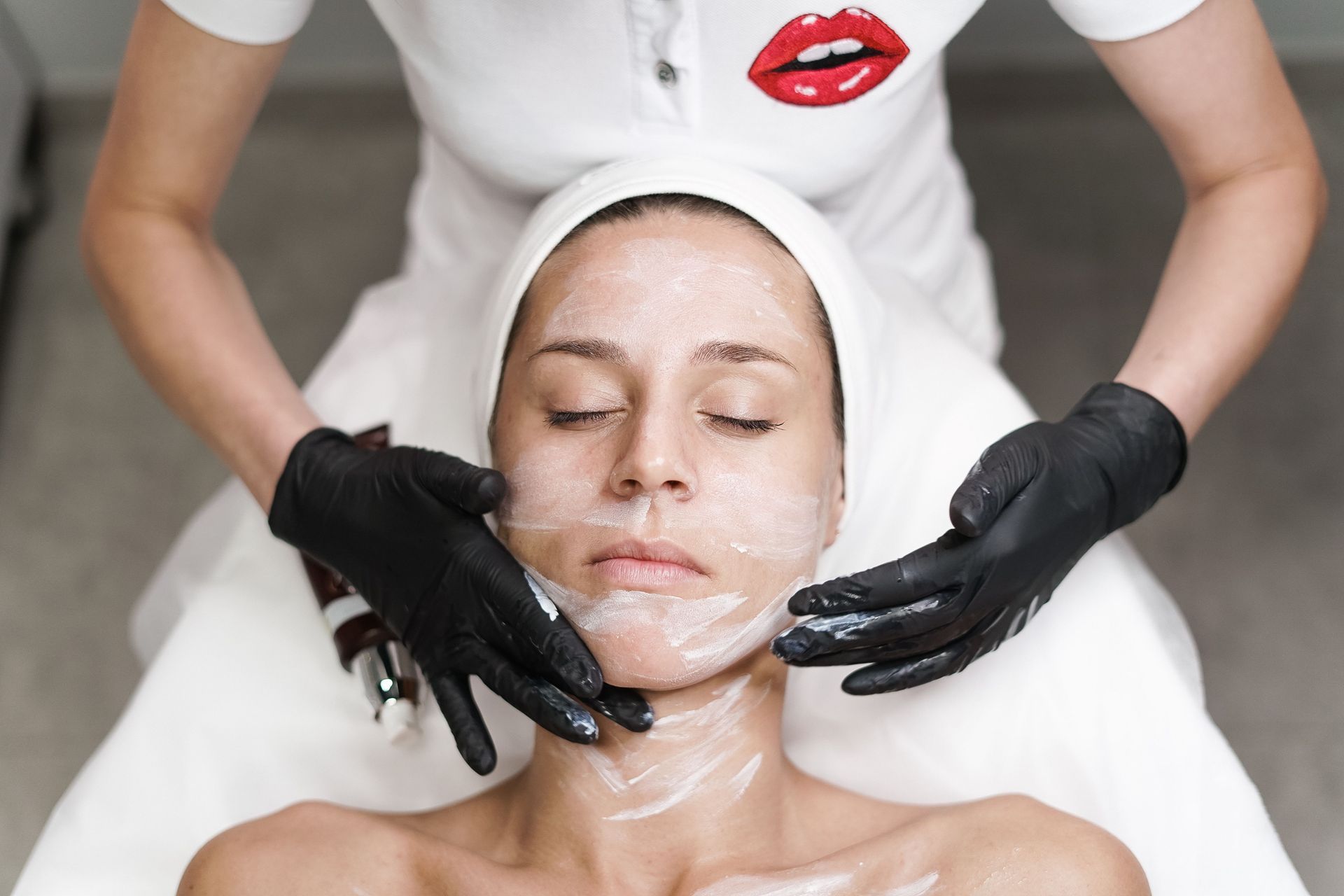
I pair clinical-grade skincare with personalized treatments such as facials, peels, and regenerative services to support your skin from the inside out.
Frequently Asked Questions About the ABCDE Method
Yes, with proper formulation and timing. I can help you layer them safely.
When properly prescribed and introduced gradually, yes, especially alongside barrier-supporting products.
Yes. Vitamin C enhances SPF protection and neutralizes free radicals that sunscreen cannot fully block.
Absolutely. Niacinamide and Panthenol are excellent for calming redness and strengthening the barrier.
Often not. Many people benefit from supplementation instead of unprotected sun exposure.
Yes, especially for dry, sensitive, or post-procedure skin.
As early as your mid-20s for prevention, or later for correction. Always customized to your skin.
They contain higher-quality ingredients, proven delivery systems, and clinical research backing.
A professional consultation ensures your routine supports your skin rather than stressing it.