
Neogen PSR: What It Is, How It Works & Who It’s Best For
In aesthetic medicine, the phrase facial rejuvenation now encompasses more than traditional injectables or resurfacing lasers. For patients in Loomis, Roseville, Rocklin, Granite Bay, Newcastle, Folsom, and the greater Placer County area seeking clinically meaningful improvement in skin laxity, aging skin, texture, and overall skin quality, plasma skin regeneration has emerged as a robust, science-driven option.
At Good Skin Aesthetics, we offer NeoGen PSR, a next-generation plasma skin regeneration platform that stands apart from lasers, radiofrequency, and traditional resurfacing technologies through its ability to stimulate deep dermal renewal while preserving the integrity of the skin’s surface. This article provides an evidence-based overview of what plasma skin regeneration is, how it works, and the ideal candidates for treatment.
What Is Plasma Skin Regeneration?
Plasma skin regeneration refers to a class of non-surgical energy-based treatments that use ionized gas — plasma — to deliver controlled thermal energy into the skin. Unlike lasers that rely on light wavelengths and chromophores (targets such as melanin or water), plasma energy works through thermal conduction across the skin’s surface and deeper layers, inducing a regenerative healing response.
Specifically, NeoGen PSR (Plasma Skin Regeneration) uses medical-grade nitrogen gas that is converted into plasma energy via ultra-high frequency. This energy is delivered in rapid pulses, heating skin tissue in a precise, controlled manner. The resulting thermal effect stimulates fibroblast activity, new collagen formation (neocollagenesis), and remodeling of the dermal matrix — culminating in improved elasticity, texture, and firmness.
Key Characteristics of Plasma Skin Regeneration
- Non-ablative yet regenerative: Unlike ablative CO₂ lasers, plasma skin regeneration does not entirely remove the epidermis. A controlled delivery preserves the surface layer, which acts as a natural biological dressing to support healing and reduce risk.
- Full-field coverage: Treatments influence the entire skin architecture rather than fractionated “islands” of tissue.
- Deep dermal impact: The thermal profile reaches beneath superficial layers to engage the reticular dermis, the framework critical for structural support and elasticity.
- Customizable energy levels: Settings can be tailored from low (for subtle rejuvenation with minimal downtime) to high (for more transformative outcomes).
For an in-depth look at the technology, visit the NeoGen PSR USA resource. Neogen PSR USA
The Science Behind NeoGen PSR: How It Works
From a clinical perspective, understanding how plasma skin regeneration functions begins with the physics of plasma itself. Plasma represents the fourth state of matter, formed when gas particles are energised and ionized. In aesthetic devices like NeoGen PSR, nitrogen gas is energized to create this ionized plasma, which is then emitted in controlled, millisecond pulses.
Thermal Mechanisms and Tissue Response
When the plasma pulse contacts the skin:
- Immediate Thermal Energy Transfer: The high-temperature plasma transfers heat into both the epidermal and dermal layers without direct tissue vaporization.
- Controlled Micro-Injury: This controlled thermal effect produces zones of thermal damage and modulation. The epidermis stays intact during treatment but is primed to exfoliate in the days after.
- Biologic Repair Response: The body responds to micro-injury by activating dermal fibroblasts, increasing collagen and elastin synthesis and enhancing vascularization — all key elements of regenerative healing.
Unlike fractional lasers that create microscopic holes and require chromophore absorption, plasma energy delivers heat uniformly across the treatment area with less reliance on optical targets. This fosters a more consistent and comprehensive biologic response.
Energy Levels and Clinical Outcomes
NeoGen PSR protocols range from low-energy treatments suitable for early signs of aging and maintenance to high-energy protocols that can rival traditional ablative resurfacing results with substantially lower risk and downtime.
- Low Energy: Best for subtle improvement in fine lines, early laxity, and texture irregularities with minimal recovery.
- Medium Energy: Useful for moderate signs of aging, including uneven tone and mild laxity.
- High Energy: Targets deeper dermal layers for more significant tightening, scar reduction, and contour enhancement akin to traditional resurfacing without epidermal ablation.
By optimizing treatment parameters, experienced providers like Tanya, RN, at Good Skin Aesthetics can tailor outcomes to aesthetic goals and patient tolerance.
NeoGen PSR vs. Lasers and Other Modalities
To appreciate the unique role of plasma skin regeneration, it’s helpful to compare it with more familiar resurfacing and rejuvenation options.
Lasers
Traditional ablative lasers (e.g., CO₂, erbium) physically remove layers of skin, requiring significant healing time and a higher risk profile. Fractional lasers treat only portions of the skin’s surface, leaving untreated skin to aid recovery but inherently creating “patchy” regenerative zones.
In contrast, plasma skin regeneration:
- Treats the entire surface and deeper dermis without full ablation.
- Offers a natural biologic dressing from the intact epidermis that supports safety and faster reepithelialization.
- Is less dependent on chromophore presence, making it more versatile across skin tones.
Radiofrequency and Ultrasound
Energy-based modalities like RF and HIFU also aim to tighten and stimulate collagen, but they differ in:
- Depth of penetration: Plasma can introduce controlled heat deeper and more uniformly than typical RF systems.
- Surface preservation: Plasma leaves the epidermis intact, whereas certain RF and ultrasound approaches may affect surface tissues differently.
The regenerative potential of PSR, with sustained neocollagenesis over time, further distinguishes it from many standalone RF technologies.
What Conditions Can Plasma Skin Regeneration Address?
NeoGen PSR is not limited to a single aesthetic concern. Its mechanism of action — broadly stimulating dermal renewal — makes it suitable for a spectrum of indications that contribute to anti-aging and skin health.
Common Treatment Goals
- Fine lines and wrinkles: Thermal stimulation boosts collagen and elastin production, reducing the appearance of common age lines.
- Skin laxity: By remodeling deep dermal structures, PSR can tighten mild to moderate laxity, especially around the lower face and jawline.
- Uneven texture and roughness: Plasma resurfacing improves texture irregularities and surface dryness.
- Pigmentation and sun damage: Controlled thermal injury prompts turnover of pigmented cells, aiding in more even tone.
- Acne scarring and scars from injury: Multiple clinical evaluations have shown measurable improvement in scarring following PSR treatment.
Because plasma energy influences the skin’s entire architecture, patients often experience a combination of tightening, resurfacing, and regenerative benefits in one treatment series.
Treatment Experience and Recovery
What to Expect During a Session
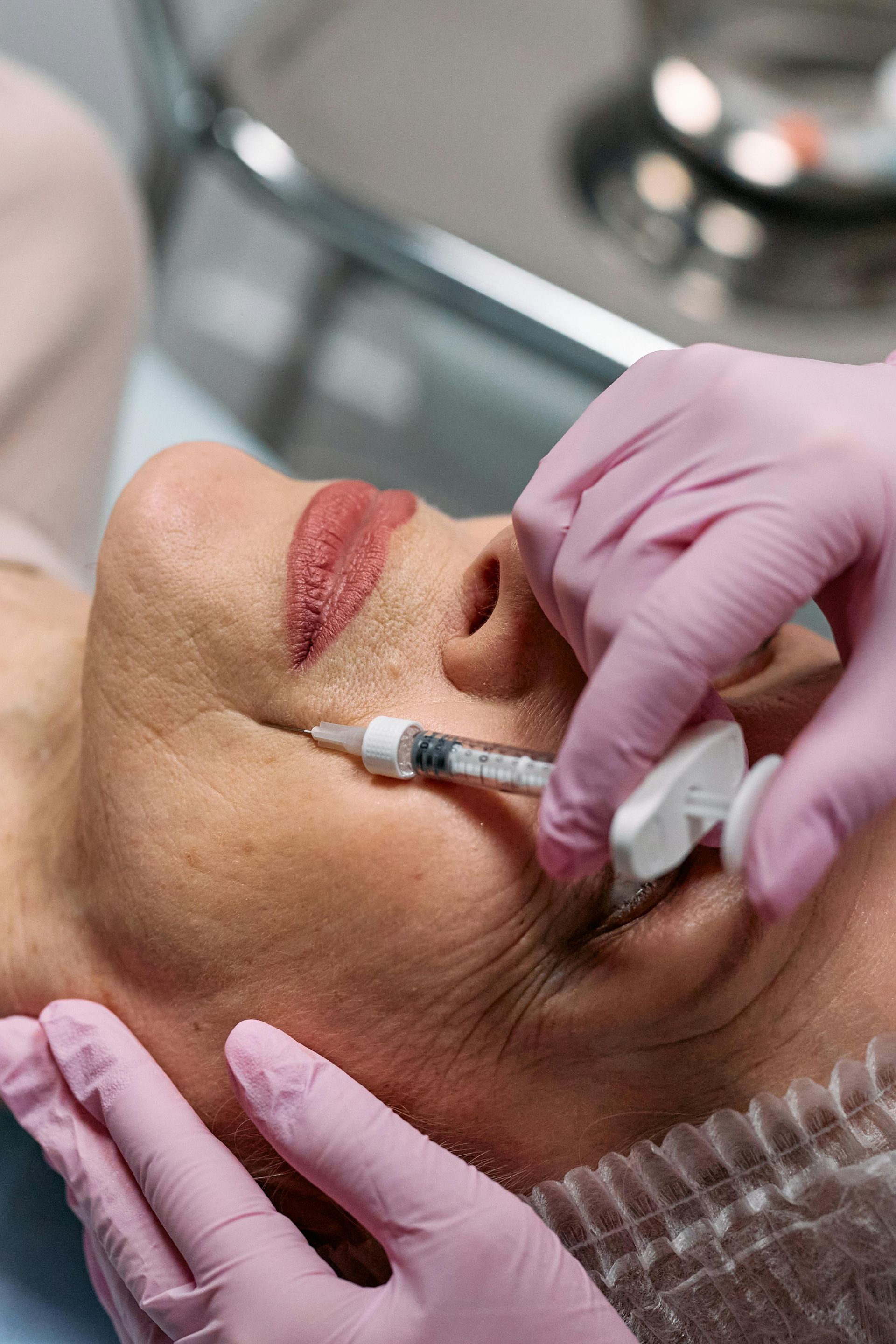
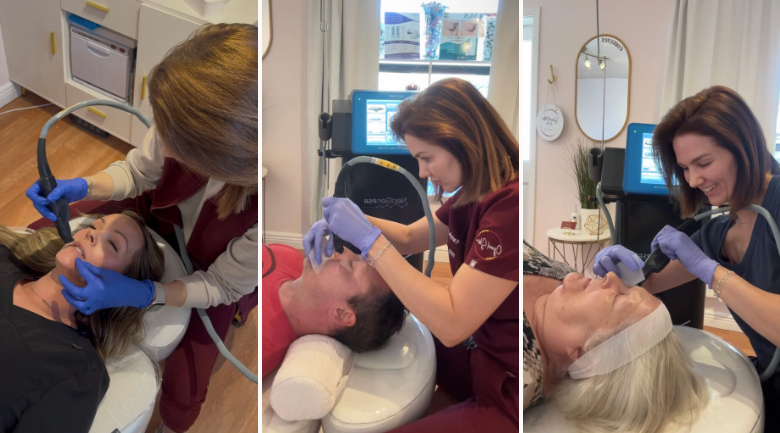
A typical NeoGen PSR session at Good Skin Aesthetics begins with a clinical evaluation and discussion of aesthetic goals. Topical anesthesia may be applied depending on the chosen energy settings and treatment area.
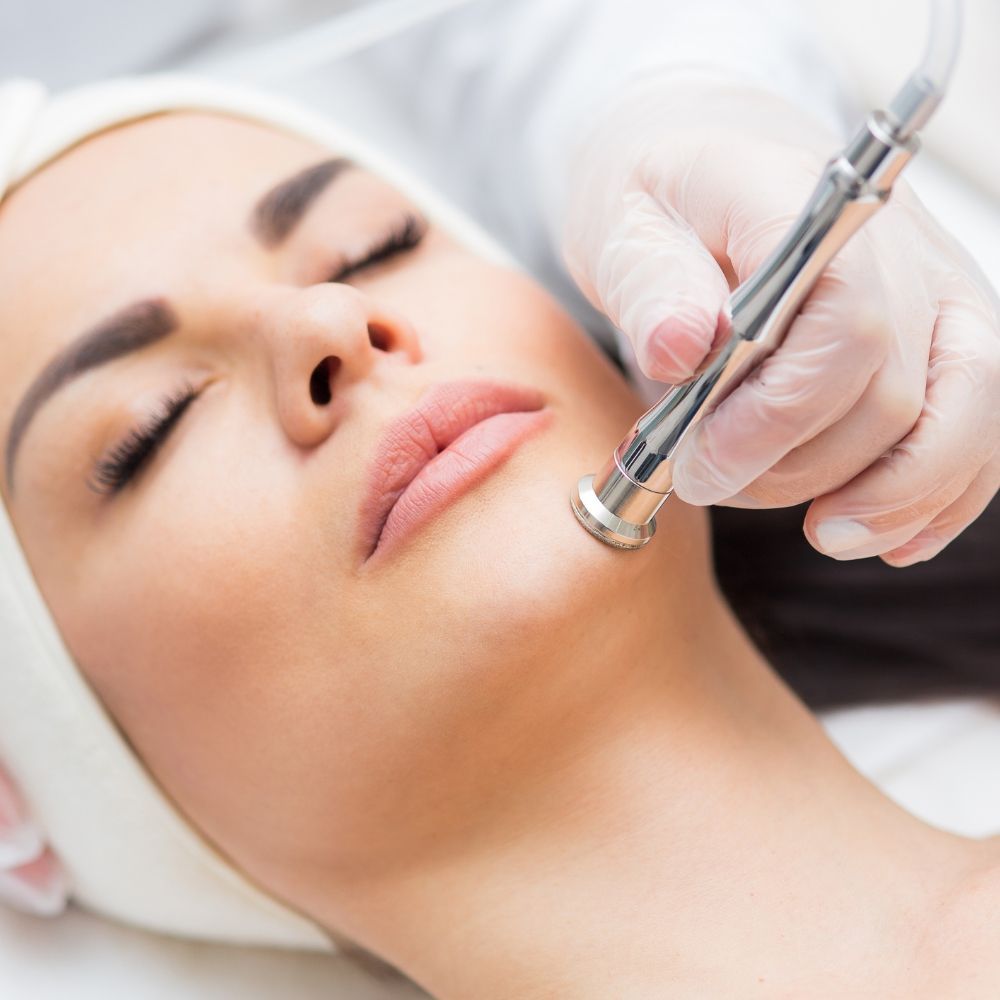
During the procedure, you may feel warmth corresponding to the plasma pulses administered across the skin surface. The energy delivery is controlled and rapid, with most full-face sessions completed in under an hour.
Post-Treatment Healing
Recovery varies with energy level:
- Low Energy: Minimal redness and scaling for 1–3 days.
- Medium to High Energy: More pronounced redness, mild peeling, and tightness for 3–7 days.
- New skin typically appears soon after shedding of treated epidermal layers.
Most patients resume normal activities quickly, though sun protection and adherence to post-care protocols are vital for optimal outcomes.
Results Timeline
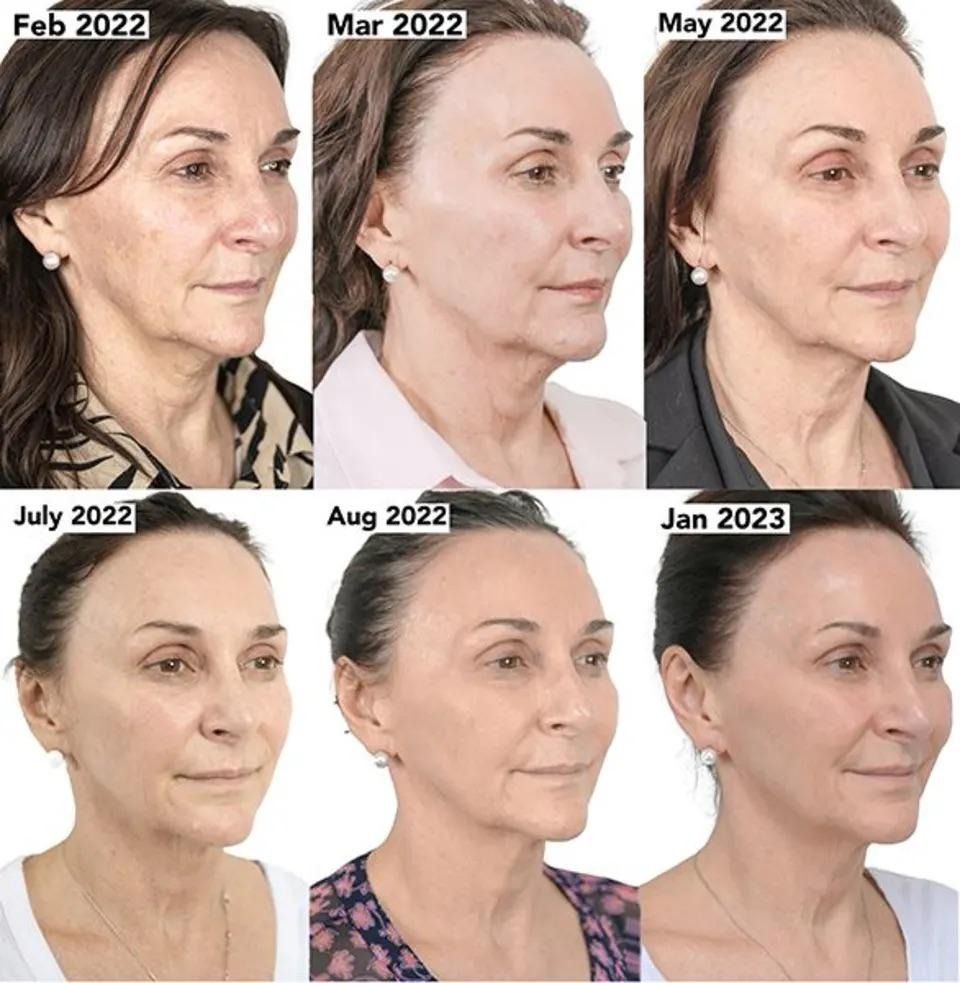
Visible improvement usually becomes apparent within 2–8 weeks as dermal remodeling progresses. Clinical observations show continued enhancement in skin texture, tone, and firmness over 6–12 months post-treatment due to sustained collagen production.
Who Is an Ideal Candidate?
The ideal candidate for plasma skin regeneration in Loomis is someone who:
- Seeks facial rejuvenation beyond what topical products can deliver
- Wishes to improve skin laxity, texture, and aging skin changes
- Prefers a non-surgical option with tailored downtime
- Has realistic expectations about outcomes and recovery
- Lives in or near the Loomis or broader Placer County region and wants a personalized plan
Patients with untreated active skin conditions (e.g., dermatitis or infection) may need pre-treatment management before PSR. Detailed clinical evaluation ensures safety and efficacy.
Combining Plasma Skin Regeneration with Other Treatments
For comprehensive results, plasma skin regeneration may be integrated into a broader skin health plan. At Good Skin Aesthetics, this might include adjunctive therapies such as targeted topical regimens, microneedling, or antioxidant serums, depending on individual needs and goals.
External Authority Reference
For a deeper understanding of plasma skin resurfacing science and outcomes, consult peer-reviewed clinical information available through institutions like JAMA Dermatology.
FAQs About Plasma Skin Regeneration
1. What is plasma skin regeneration?
Plasma skin regeneration is a non-surgical method that uses ionized gas (plasma) to deliver controlled heat into the skin, stimulating collagen and elastin production while improving texture, tightness, and tone.
2. How is plasma skin regeneration different from laser resurfacing?
Unlike lasers that rely on light absorption and may ablate surface tissue, plasma energy delivers uniform thermal stimulation without fully removing the epidermis, allowing for faster recovery and less risk.
3. Does it work for all skin types?
Yes. Because plasma skin regeneration does not depend on chromophores (specific light targets in tissue), it is broadly suitable for a range of skin tones and textures.
4. What areas can be treated?
Common areas include the face, neck, décolleté, and hands — essentially any region with signs of aging, laxity, or texture concerns.
5. How many treatments are needed?
Treatment plans vary. Some patients choose a single high-energy session; others prefer multiple low-energy sessions spaced weeks apart depending on goals and tolerance.
6. What is the downtime?
Recovery typically ranges from minimal (1–3 days) with low energy to moderate (3–7 days) with higher energy treatments.
7. When will I see results?
Initial skin tightening may be visible within weeks, while dermal remodeling and improvement continue over several months.
8. Is plasma skin regeneration painful?
Most patients report sensations of warmth or mild discomfort during treatment. Topical anesthesia can be used for comfort with higher energy settings.
9. How does plasma skin regeneration improve aging skin?
By stimulating fibroblasts and neocollagenesis, PSR enhances elasticity, reduces fine lines, refines texture, and improves skin tone gradually and sustainably.
Next Steps at Good Skin Aesthetics
If you’re in Loomis, Placer County, Roseville, Rocklin, Granite Bay, Newcastle, Folsom, or Auburn and interested in advanced skin tightening and facial rejuvenation, schedule a consultation with Good Skin Aesthetics to determine whether NeoGen PSR is the right step in your anti-aging strategy.
Learn more about plasma skin regeneration at NeoGen PSR USA and explore how this technology stands apart at our practice: Good Skin Aesthetics – NeoGen.