Vitamin C has earned its place in modern skincare because it does more than produce a temporary glow. Formulated well and used consistently, it supports brighter skin, improves uneven tone, softens visible signs of aging and defends against the environmental stress your face absorbs every day.
People hear antioxidant and nod along without anyone explaining what it means. In plain terms: free radicals are unstable molecules generated by UV light, pollution and ordinary daily exposure, and they damage skin cells. Antioxidants neutralize them. Left unchecked, that oxidative stress contributes to dullness, pigmentation and collagen breakdown.
What Vitamin C Does for Skin
Topical vitamin C has three jobs worth caring about: it brightens, it supports collagen formation, and it adds a layer of antioxidant defence on top of your sunscreen rather than instead of it.
It can help with dullness, uneven tone, sun spots, post-acne discoloration, fine lines, rough texture and lost radiance. It is particularly useful if you want a brighter complexion without leaning entirely on exfoliation or in-office correction.
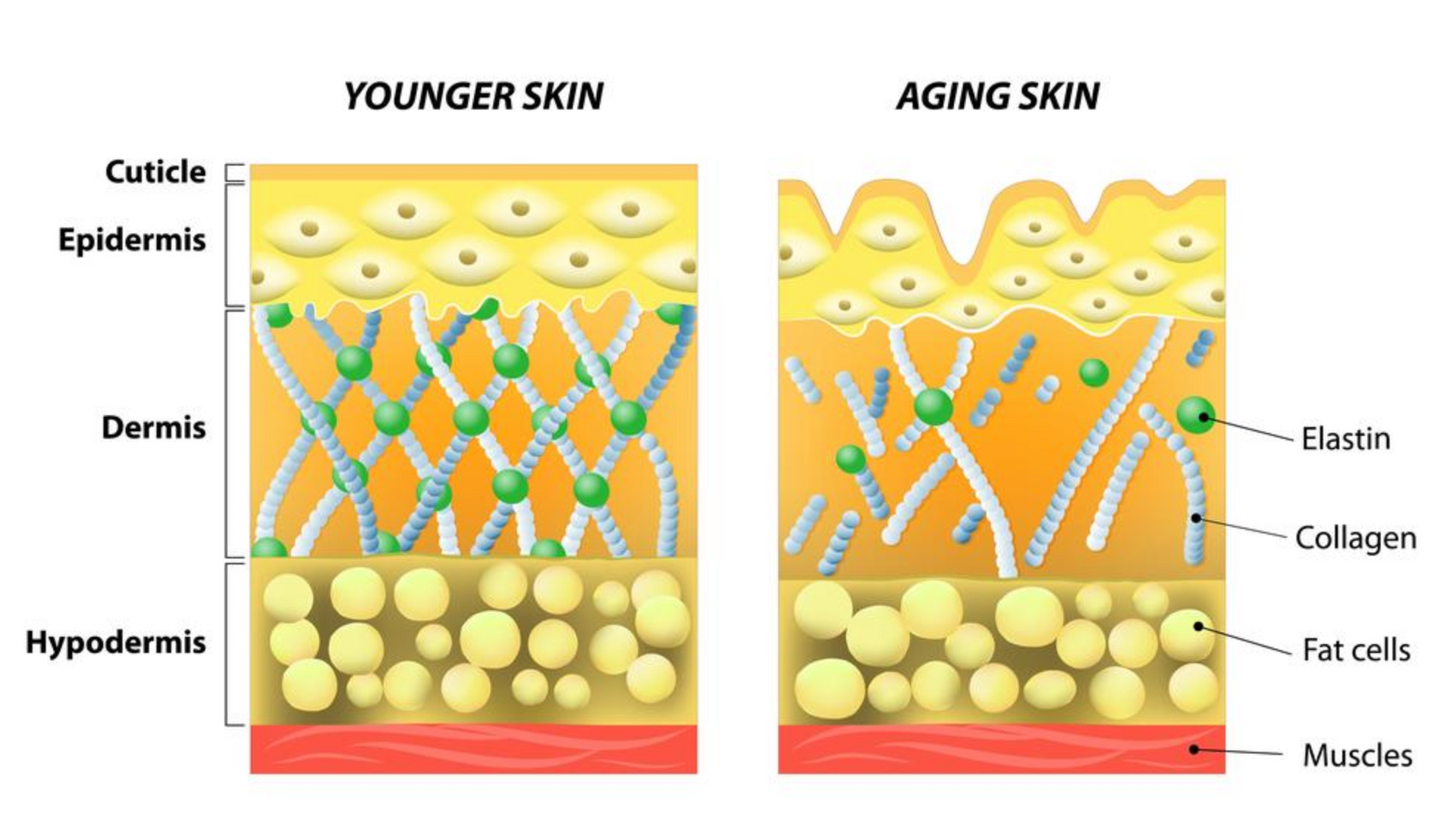
Vitamin C and Collagen
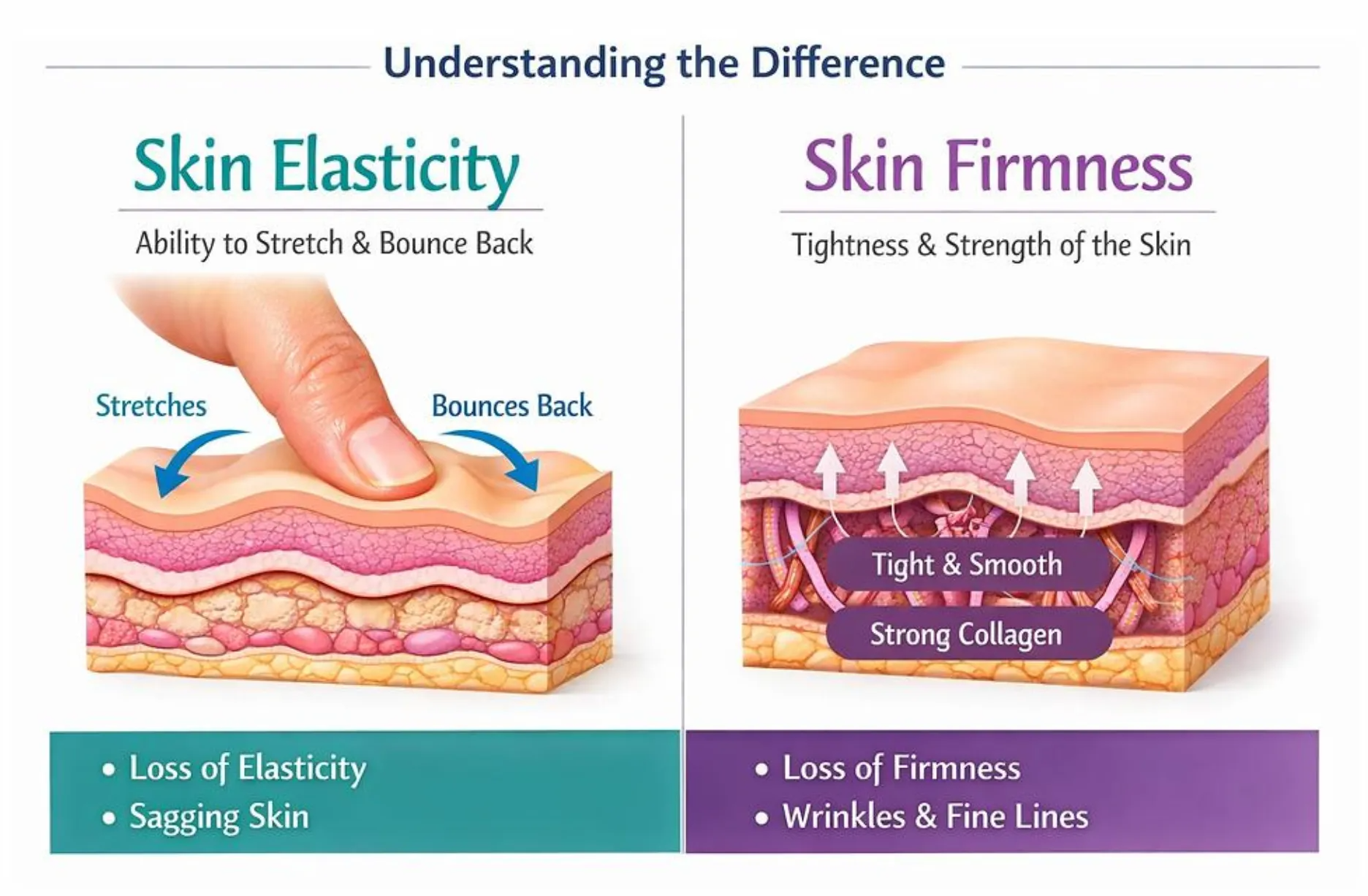
Collagen gives skin firmness, structure and bounce. As it declines with age and sun exposure, skin starts to look thinner, looser and more crepey.
Vitamin C is a required cofactor in collagen synthesis. Your body cannot build collagen properly without it, which is a more interesting fact than most skincare marketing manages. That does not make a serum a substitute for in-office treatment, but it does make it a genuine support for skin quality between visits.
If you are already having collagen-stimulating treatment or plasma resurfacing, a good vitamin C routine is working on the same goal from the other direction.
Not All Vitamin C Is the Same
Form, concentration, packaging and the supporting formula all matter, and this is where most purchases go wrong.
L-ascorbic acid
The purest and most researched form, generally considered the gold standard. It is also the most irritating for sensitive skin and the quickest to oxidize when exposed to air, heat or light. Buy it in opaque packaging and do not keep it for a year.
Sodium ascorbyl phosphate
A gentler derivative, more stable, and often a better fit for sensitive or acne-prone skin.
Magnesium ascorbyl phosphate
Usually found in calming or hydrating formulas. A reasonable option for dry or easily irritated skin.
Tetrahexyldecyl ascorbate
An oil-soluble derivative common in medical-grade skincare. Stable, well tolerated, and it penetrates well.

How to Use It
Morning, after cleansing, before moisturizer and sunscreen. Daytime is when the environmental exposure happens, so daytime is when the antioxidant protection is worth having.
- Cleanser
- Vitamin C serum
- Moisturizer
- Broad-spectrum SPF, every day
To be unambiguous about it: vitamin C is not a substitute for sunscreen. It works alongside sunscreen. Sun protection is what reduces the risk of premature aging, age spots, sagging and wrinkles, and nothing in a serum replaces it.
The Mistakes I See Most
Using an oxidized serum. If your vitamin C has turned dark orange, brown or rusty, it has degraded. It is not stronger, it is finished. Replace it.
Stacking too many actives. Vitamin C can irritate when it is piled on with exfoliating acids, retinoids or benzoyl peroxide. If your skin is sensitive, separate them: vitamin C in the morning, retinoid at night.
Buying on concentration alone. A well-formulated 10% will outperform a poorly formulated 20% that oxidized on the shelf. The number on the box is the least informative thing about it.
Frequently Asked Questions
It brightens, supports collagen formation, helps even out tone and adds antioxidant defence against daily environmental damage. It works best as a supporting player in a routine, not as the whole routine.
Yes, gradually. Sun spots, post-acne marks and uneven pigmentation can all soften over months. Melasma is a different problem and deserves its own assessment.
Morning. The antioxidant protection is most useful during the hours you are actually exposed to UV and pollution.
Most formulas sit between 10% and 20%. Sensitive skin often does better at a lower strength or with a gentler derivative. Formulation quality matters far more than the number.
It oxidized. Air, heat and light degrade vitamin C, especially L-ascorbic acid. A dark serum has lost potency and can be more irritating, so replace it.
Yes, with the right form. Magnesium ascorbyl phosphate or sodium ascorbyl phosphate are usually better tolerated than straight L-ascorbic acid.
The vitamin C itself rarely does, but the base it sits in can. Heavy oils, fragrance or silicones in the formula are the usual culprits for acne-prone skin.
Many people can. If your skin is reactive, split them: vitamin C in the morning, retinol at night. That gets you both without stacking the irritation.
Glow can show up within a few weeks. Pigmentation takes longer, often several months, and only with daily sunscreen alongside it.