“So, are you a med spa?”
It is a question I hear often, and the answer is yes, but there is a little more to the story.
From the outside, many aesthetic practices look similar. You will find familiar treatments like wrinkle relaxers, dermal fillers, chemical peels, and skin rejuvenation procedures. The websites may feature similar services, beautiful before-and-after photographs, and promises of younger-looking skin.
But what truly separates one practice from another is not necessarily the treatments offered. It is the philosophy behind them.
At Good Skin Aesthetics in Loomis, California, my approach has always been rooted in one fundamental belief: healthy skin is the foundation of beautiful skin.
Rather than focusing exclusively on changing how someone looks today, I focus on improving how their skin functions, responds, repairs, and ages over time.
Understanding the difference between a traditional med spa and a skin health-focused aesthetic practice can help you make more informed decisions about your treatments, your investment, and the long-term health of your skin.

Med Spa vs. Skin Health Clinic: What Is the Difference?
A medical spa, commonly called a med spa, typically offers non-surgical cosmetic procedures designed to improve appearance. These may include neuromodulators, dermal fillers, laser treatments, chemical peels, and other aesthetic services.
A skin health-focused clinic may offer many of these same treatments, but the evaluation and treatment priorities are often different.
Instead of beginning with the question, “What would you like to change about your face?” I prefer to begin with, “What is happening within your skin, and what can we do to improve it?”
That distinction matters.
Skin is a living organ with complex biological functions. Its ability to retain moisture, maintain a healthy barrier, regulate inflammation, produce collagen, and recover from environmental damage directly influences how it looks and ages.
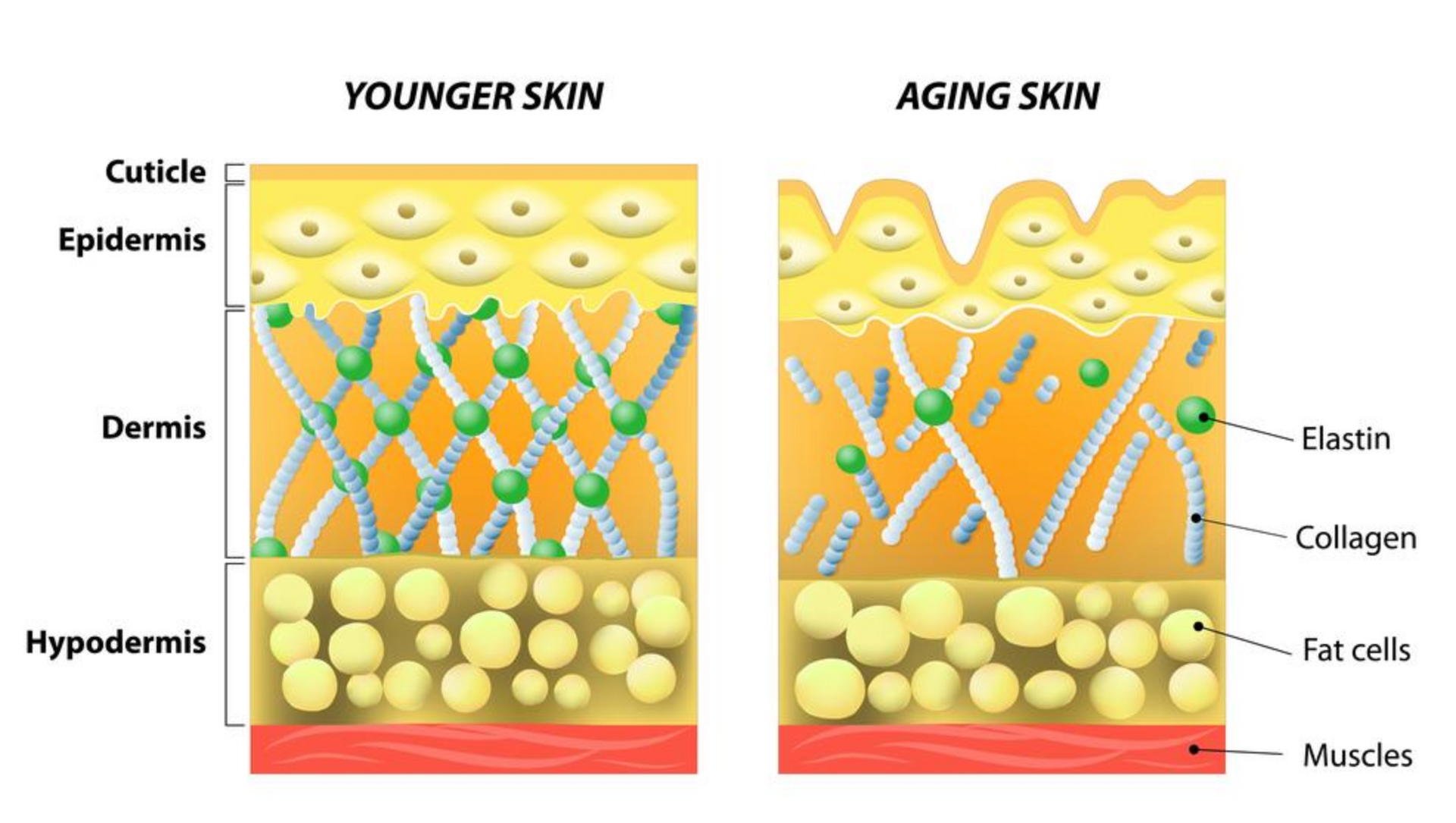
Aging skin is not simply a matter of wrinkles or volume loss. It also involves changes in cellular turnover, collagen organization, elasticity, hydration, and the skin’s ability to repair itself.
The goal is not simply to make skin look younger. It is to support healthier skin that ages well.
This does not mean that injectables or traditional aesthetic treatments are unnecessary. They can be valuable tools. The difference is how and when they are incorporated into a comprehensive treatment plan.
Why Good Skin Aesthetics Takes a Different Approach
Good Skin Aesthetics was built around the belief that aesthetic medicine should be individualized, educational, and focused on long-term results.
As a registered nurse with a Bachelor of Science in Nursing and a licensed esthetician, I bring both medical and skin-specific training to every consultation.
My professional experience includes plastic surgery, dermatology, private practice, and clinical nursing environments, including Stanford Health Care and Veterans Affairs. These experiences have shaped how I evaluate skin, approach aesthetic concerns, and select treatments.
I do not believe every wrinkle needs filler, every patient needs more volume, or every skin concern requires an aggressive procedure.
Sometimes the most appropriate starting point is repairing a compromised skin barrier, addressing chronic inflammation, improving daily skincare, or choosing a treatment that supports collagen remodeling.
Other times, thoughtfully placed injectables can provide structural support or soften expression lines.
What matters is understanding why a treatment is being recommended and how it contributes to the bigger picture.
Three Essential Elements of Long-Term Skin Health
At Good Skin Aesthetics, I approach skin rejuvenation through three complementary areas of care. Each serves a different purpose, and together they create a more comprehensive strategy.
1. Professional Skincare: What You Do Every Day Matters
Your skin does not stop aging between appointments.
Daily skincare plays an important role in maintaining the skin barrier, protecting against ultraviolet damage, supporting hydration, and managing concerns such as pigmentation, acne, and uneven texture.
I recommend professional or clinical-grade skincare based on individual skin needs, not simply because a product carries a particular label.
Effective skincare comes down to appropriate ingredients, formulation, consistency, and tolerability.
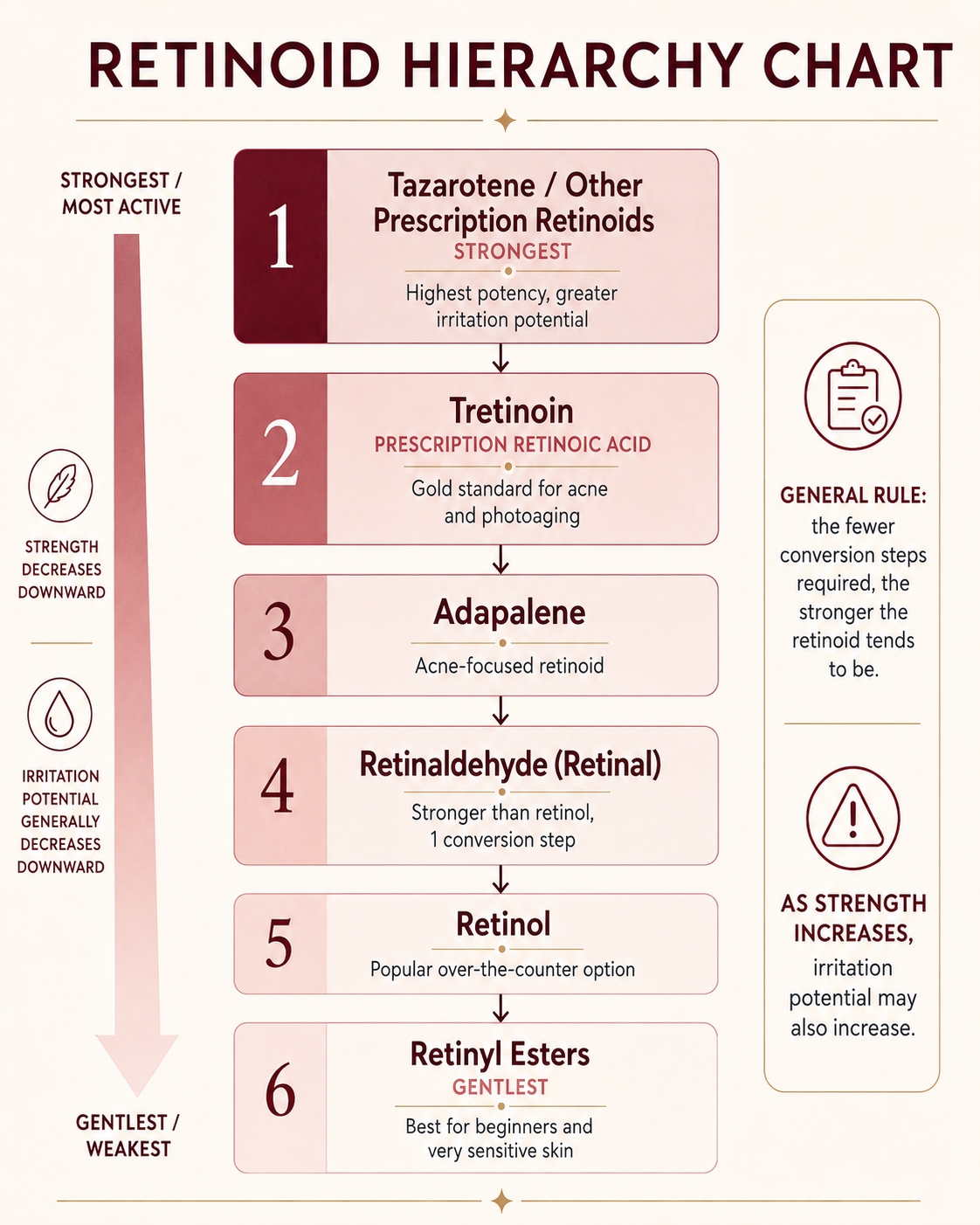
For some patients, that means incorporating retinoids to support cellular turnover. For others, it may mean prioritizing barrier-repair ingredients, antioxidants, gentle exfoliation, or broad-spectrum sunscreen.
A complicated routine is not necessarily a better routine.
The right products should work with your skin, not constantly challenge it.

2. Regenerative Treatments: Improving Skin Quality From Within
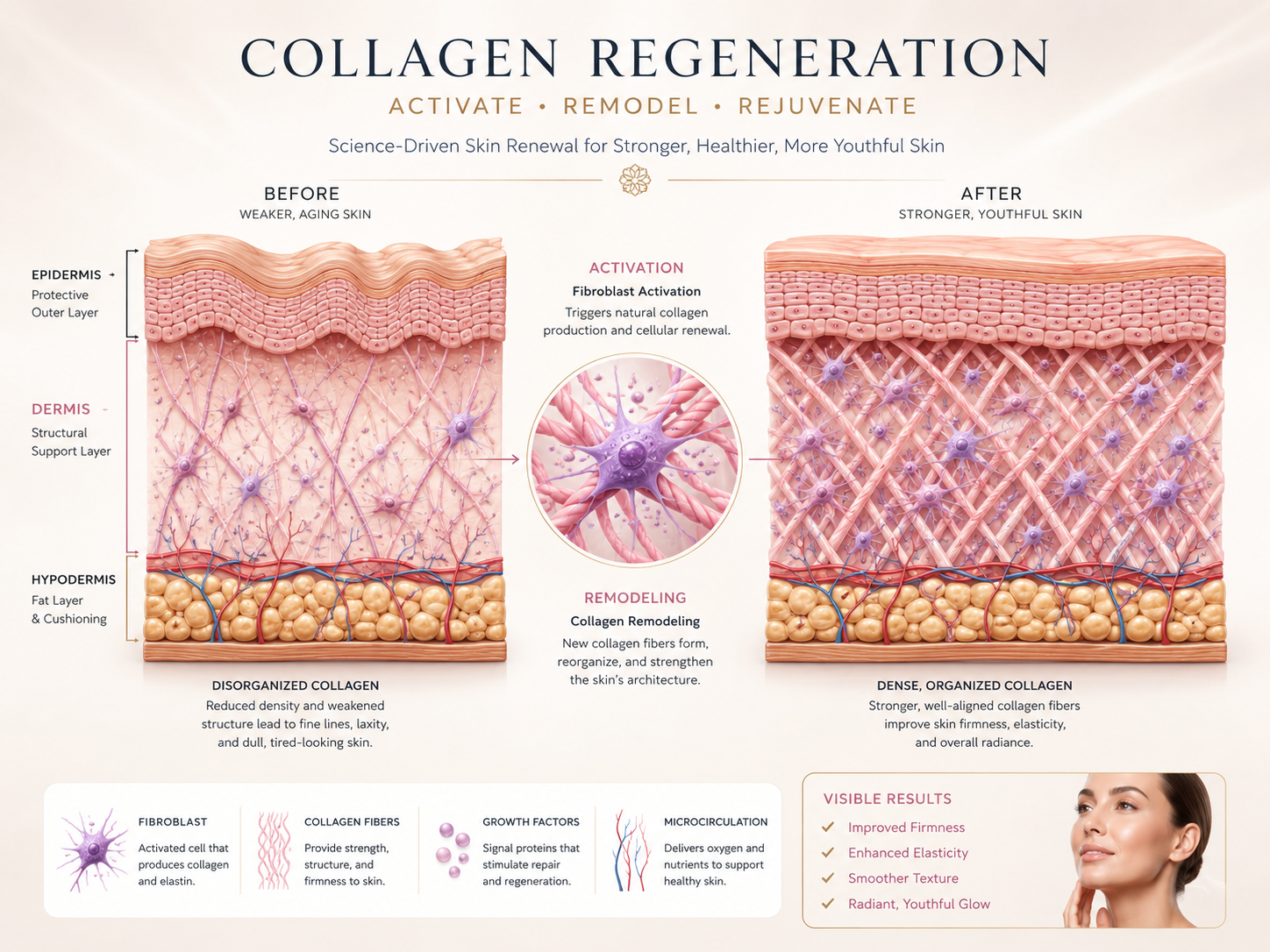
As we age, collagen production and skin elasticity gradually decline. Environmental exposure, inflammation, and cumulative sun damage can accelerate visible changes.
Regenerative and corrective treatments aim to improve skin quality by encouraging the body’s natural repair and remodeling processes.
At Good Skin Aesthetics, treatments such as NeoGen Plasma Skin Regeneration, microchanneling, and carefully selected chemical peels may be incorporated into individualized plans.
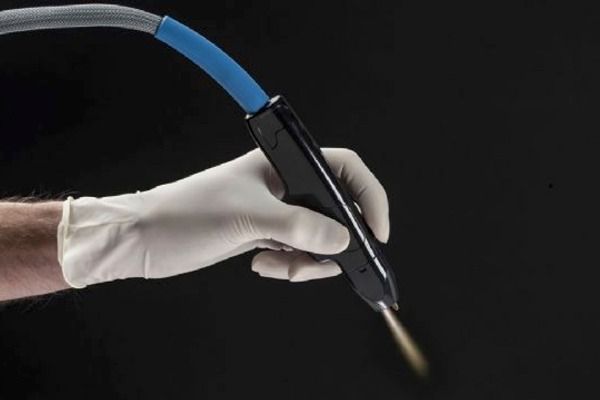
NeoGen PSR uses controlled nitrogen plasma energy to create a thermal response within the skin, supporting collagen remodeling and improvements in texture, fine lines, and certain forms of skin laxity.
Microchanneling creates controlled micro-injuries that initiate a wound-healing response, while chemical peels can address surface irregularities, pigmentation, and cellular turnover.
These treatments work through different mechanisms, and none is appropriate for every patient.
The goal is to select the right treatment, at the right intensity, for the right skin concern, while respecting the skin’s ability to heal.

3. Thoughtful Injectables: Enhancing Without Overcorrecting
Injectables absolutely have a place in a skin health-focused practice.
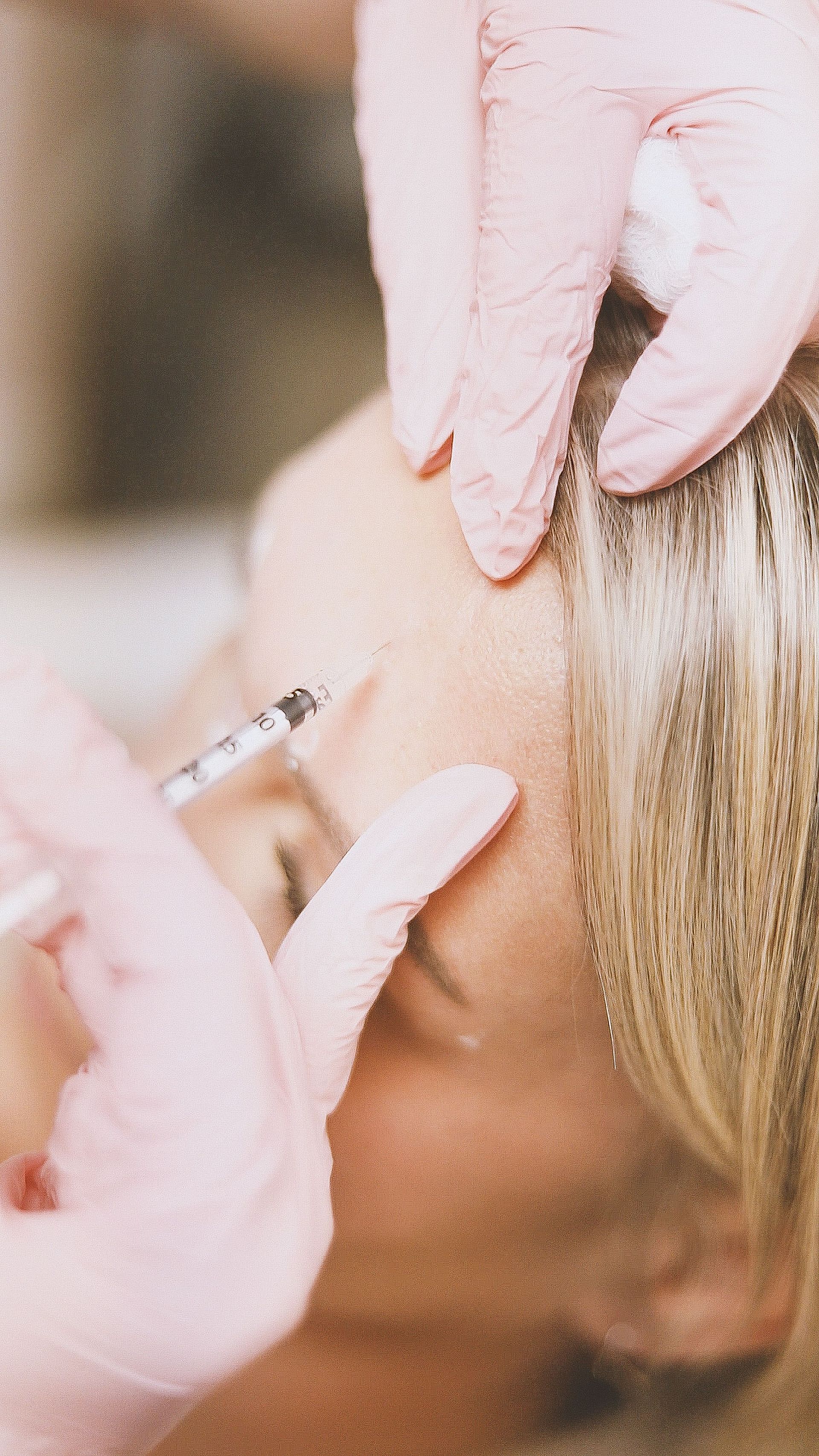
Neuromodulators can soften expression lines by temporarily relaxing targeted muscles. Dermal fillers can restore selected areas of volume loss or improve facial proportions. Biostimulatory injectables may encourage collagen production in appropriately selected patients.
However, injectables should complement the face rather than become the entire treatment strategy.
Adding volume does not necessarily correct poor skin texture, pigmentation, crepiness, or compromised barrier function.
My approach is conservative and anatomy-driven, with an emphasis on maintaining natural facial expression, balance, and individual features.
Looking refreshed should never require looking like someone else.
Why Treating the Skin First Can Change Your Results
Consider two patients with similar concerns about facial aging.
One may primarily have volume loss and benefit from carefully placed structural support.
The other may have significant sun damage, fine lines, uneven texture, and declining skin elasticity. Adding filler alone would not address those underlying concerns.
Although both patients may describe wanting to look younger, their skin needs are different.
This is why a thorough consultation matters.
At Good Skin Aesthetics, treatment planning considers skin quality, facial anatomy, lifestyle, previous procedures, recovery expectations, and long-term goals.
Sometimes the most beneficial plan involves multiple approaches introduced gradually rather than attempting to correct everything during one appointment.
A More Personal Approach to Aesthetic Medicine in Loomis
Good Skin Aesthetics is an independently owned aesthetic practice serving Loomis and surrounding communities, including Rocklin, Roseville, Granite Bay, Newcastle, Penryn, Auburn, and Folsom.
As the owner and treating provider, I personally evaluate patients, perform their treatments, and guide their ongoing skin health plans.
That continuity allows me to understand how someone’s skin responds over time, adjust treatments when appropriate, and make recommendations based on actual progress rather than a standardized treatment menu.
My philosophy is simple: aesthetic care should be thoughtful, individualized, and grounded in an understanding of skin biology.
Because beautiful skin is not just about what we can change today. It is also about what we can preserve, strengthen, and support for the years ahead.
What I Hope Every Patient Understands
You do not have to choose between looking refreshed and caring for your skin’s long-term health.
The two should work together.
Whether you are beginning your aesthetic journey or have received treatments for years, understanding your skin and choosing treatments with intention can make a meaningful difference.
At Good Skin Aesthetics, I want patients to understand not only what we are treating, but why we are treating it, what results are realistic, and how to maintain their skin health moving forward.
Because my goal has never been to change the way you look.
It is to help you look like yourself, with healthier skin and confidence that lasts.
Look Good. Feel Good. Do Good.
Frequently Asked Questions
Yes. I offer many of the treatments you would expect from a med spa, including wrinkle relaxers, dermal fillers, chemical peels, and skin rejuvenation. The difference is that every plan starts with the health of your skin rather than a list of procedures.
A practice that looks at how your skin is functioning, including its barrier, hydration, inflammation, and collagen, before deciding how to treat it. Many of the treatments overlap with a med spa. The priorities, and the order in which treatments are used, are what change.
Yes. Neuromodulators, dermal fillers, and biostimulatory injectables all have a place in my practice. My approach is conservative and anatomy-driven, so the goal is a refreshed version of you rather than a different face.
Because filler addresses volume, and volume is only one part of facial aging. It does not correct sun damage, crepiness, pigmentation, or a compromised skin barrier. If those are your main concerns, treating the skin first usually leads to a better result.
Treatments that encourage your skin’s own repair and remodeling processes. In my practice that includes NeoGen Plasma Skin Regeneration, microchanneling, and carefully selected chemical peels, each chosen for a specific concern and intensity.
Your skin keeps aging between appointments, so what you use every day matters. I recommend products based on what your skin needs, and a simple routine you use consistently often does more than a complicated one.
I do. As the owner and treating provider, I evaluate every patient, perform every treatment, and follow your progress over time.
I look at your skin quality, facial anatomy, lifestyle, previous procedures, recovery expectations, and long-term goals. Then I explain what I recommend, why I recommend it, and what results are realistic for you.
Yes. Patients come to my Loomis studio from Rocklin, Roseville, Granite Bay, Newcastle, Penryn, Auburn, Folsom, and the surrounding communities.