Retinoids earn the attention they get. They improve acne, texture, discoloration, fine lines and firmness, and they have the research behind them to back it up. What confuses people is the shelf: retinol, retinaldehyde, adapalene, tretinoin, all claiming to do the same job at wildly different strengths and prices.
The way to make sense of it is the hierarchy. Your skin can only use one form of vitamin A, retinoic acid. Everything else has to convert into it first. The fewer conversion steps a product needs, the stronger and faster it works, and the more likely it is to irritate you on the way.
People ask me which retinoid is best. The best retinoid is the one you can actually tolerate several nights a week for a year. A gentle one you keep using beats a strong one that drives you off it in a fortnight.
What Retinoids Actually Do
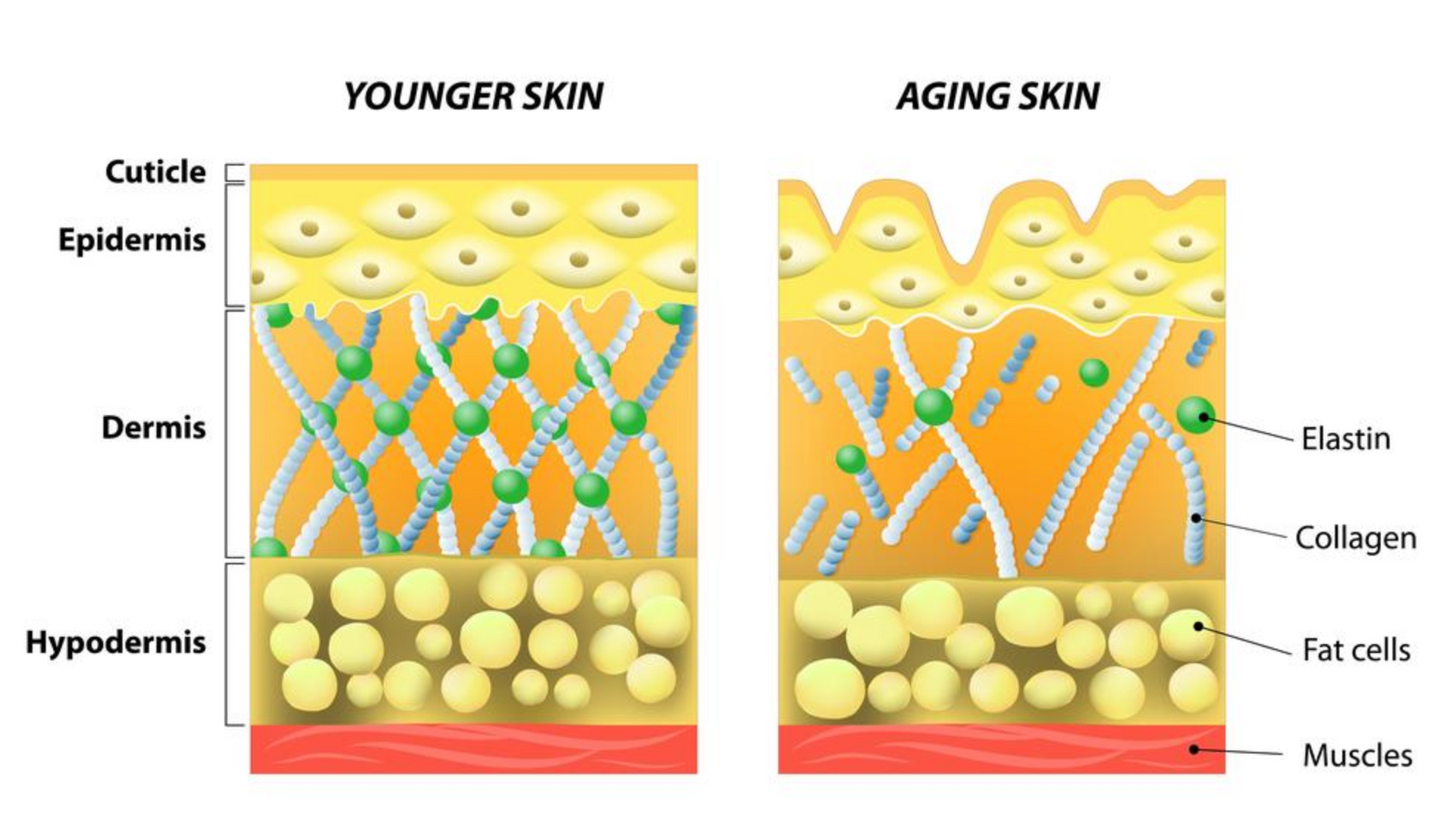
Retinoids are vitamin A derivatives that speed up cell turnover, help clear clogged pores and signal your skin to produce collagen. That combination is why one ingredient family shows up in advice for both acne and aging skin, which otherwise have little in common.
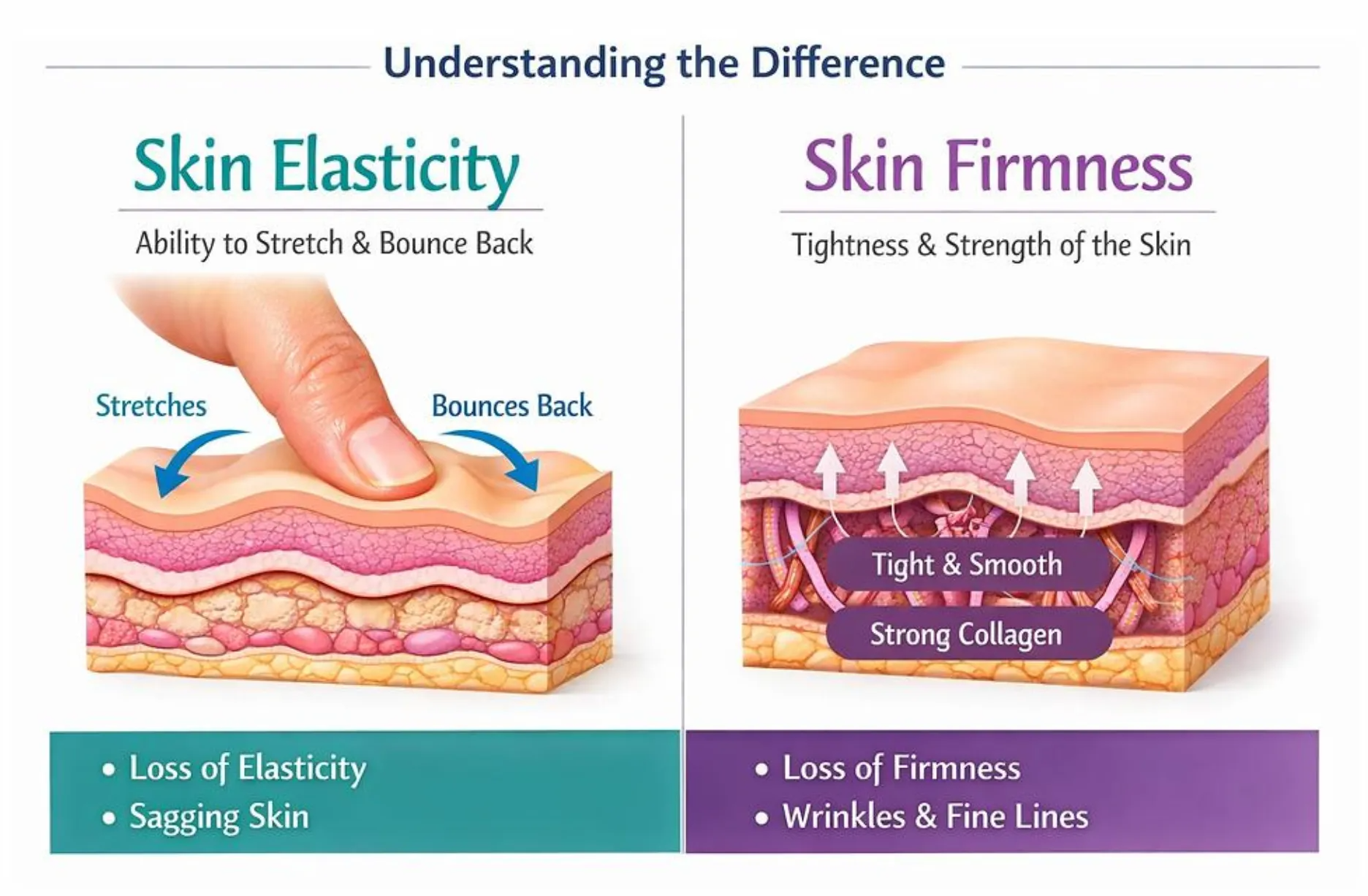
They can help with fine lines, acne and clogged pores, uneven tone, rough texture, sun damage, dullness and loss of firmness.
They also require patience. Most people need several weeks just to adjust, and visible improvement builds gradually over months. Nothing about a retinoid is fast.
The Hierarchy, Gentlest to Strongest
Here is the whole ladder in one place. Read it from the bottom up if you are starting out.
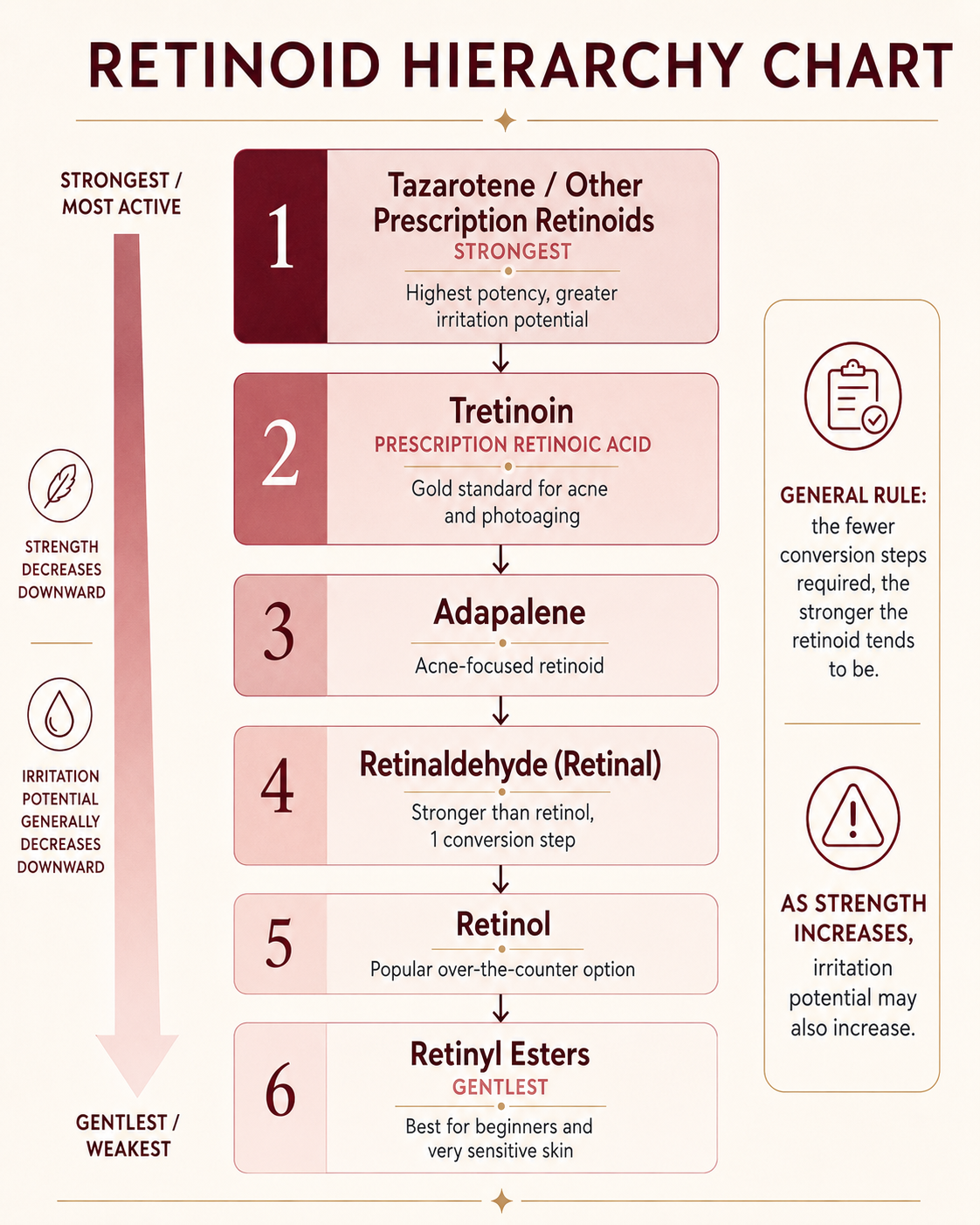
Retinyl esters
The mildest form, such as retinyl palmitate. They need several conversion steps before they become active, which makes them a reasonable starting point for sensitive, dry or reactive skin. Gentle, but slow and subtle.
Retinol
The familiar over-the-counter option. It converts to retinaldehyde, then to retinoic acid, so it balances real effect against tolerability. Good for texture, brightness, early fine lines and mild breakouts. Most people should start here.
Retinaldehyde
Often called retinal, and one step closer to retinoic acid than retinol. That makes it more efficient while still gentler than most prescription options. A good fit if you want more than retinol gives you without going straight to tretinoin.
Adapalene
A synthetic retinoid built for acne. Lower strengths are available over the counter, stronger ones by prescription. If your main concern is clogged pores, blackheads and breakouts rather than fine lines, this is often the more targeted choice.
Tretinoin and prescription retinoids
Tretinoin is retinoic acid itself, so your skin skips conversion entirely. It is the most studied option for both acne and photoaging, and it is also the one most likely to cause dryness, peeling, purging and irritation when it is started too fast.
How to Start Without Wrecking Your Barrier
The most common mistake is too much, too often, too soon. Nearly everyone who tells me retinoids did not work for them was using them nightly from day one.
- Start two nights a week, not every night
- Use a pea-sized amount for the whole face, and no more
- Apply moisturizer before or after, whichever your skin prefers
- Hold off on scrubs and strong acids while you adjust
- Wear sunscreen every morning without exception
Sunscreen matters here because retinoid use can make skin more sun-sensitive during the adjustment phase. If you are also having in-office treatment, tell me what you are using so we can time it around your appointments instead of stacking irritation.
Stronger Is Not Smarter
If a product has you constantly peeling, burning or red, it is not working better. It is working against your barrier, and a damaged barrier undoes most of what the retinoid was supposed to achieve.
A lower-strength retinoid used consistently will outperform a stronger one used erratically, every time. Your skin type, acne history, pigmentation, age, sensitivity and how much recovery you can tolerate all decide where you should sit on that ladder.
Where Retinoids Stop
A retinoid works on the surface and the upper dermis. It will improve texture, tone and early fine lines, and over years it genuinely supports collagen. What it will not do is restore volume, lift structural laxity or resurface deeper damage.
If you are using one faithfully and still unhappy with texture, scarring or crepey skin, the retinoid is not failing, it is just reaching its ceiling. That is usually the point where plasma resurfacing or microchanneling enters the conversation. The two work well together, with the right timing.
Frequently Asked Questions
Prescription options such as tazarotene and tretinoin sit at the top, because they are retinoic acid or close to it and need no conversion. Strongest is not the same as best for you.
Yes. Retinaldehyde is one conversion step from retinoic acid, retinol is two. That makes retinal more efficient, and usually a little more irritating.
Some people can, but most do better starting with retinol or retinal and working up. Starting at the top is the fastest way to end up abandoning retinoids entirely.
Expect eight to twelve weeks before you notice much, with continued improvement well beyond that. If you judge it at four weeks you will conclude it failed.
They accelerate cell turnover, so the surface sheds faster than you are used to. Some of that is normal adjustment. Constant peeling is not, and means you are using too much too often.
Yes. They keep pores clear, which is why they help both active breakouts and the congestion that causes them. Adapalene is the most acne-focused of the family.
Not at first. Two nights a week, then build only as your skin tolerates it. Plenty of people do very well at three or four nights a week permanently.
Carefully, and not at the start. Combining them too early is one of the most reliable ways to damage your barrier. Get comfortable with the retinoid alone first.
No, and this is a persistent myth. They make the outer layer shed more efficiently, which can feel like thinning, while actually supporting collagen in the dermis underneath.