Most people notice the change before they can name it. The cheeks look flatter. The jawline softens. Makeup settles into places it never used to. Nothing dramatic happened, and yet the face in the mirror is not quite the one you remember.
Understanding why that happens is the most useful thing you can do before choosing any treatment. Treating wrinkles in isolation, without understanding what is underneath them, is how people end up looking worked on rather than rested. I would rather you knew what was going on beneath the skin before we decide how to treat it.
Facial Aging Is Not Really About Wrinkles
The biggest misconception I hear is that wrinkles are the problem. Usually they are the visible symptom of structural changes happening much deeper.
Your face ages in several layers at the same time:
- Skin quality, meaning tone, texture and thickness
- Collagen and elastin breaking down in the dermis
- Fat pads shrinking, descending and shifting position
- Muscle activity etching repeated expressions into the surface
- Bone slowly resorbing and changing the foundation
- Environmental damage, mostly sun, accumulating over decades
- Hormonal change, which can accelerate all of the above
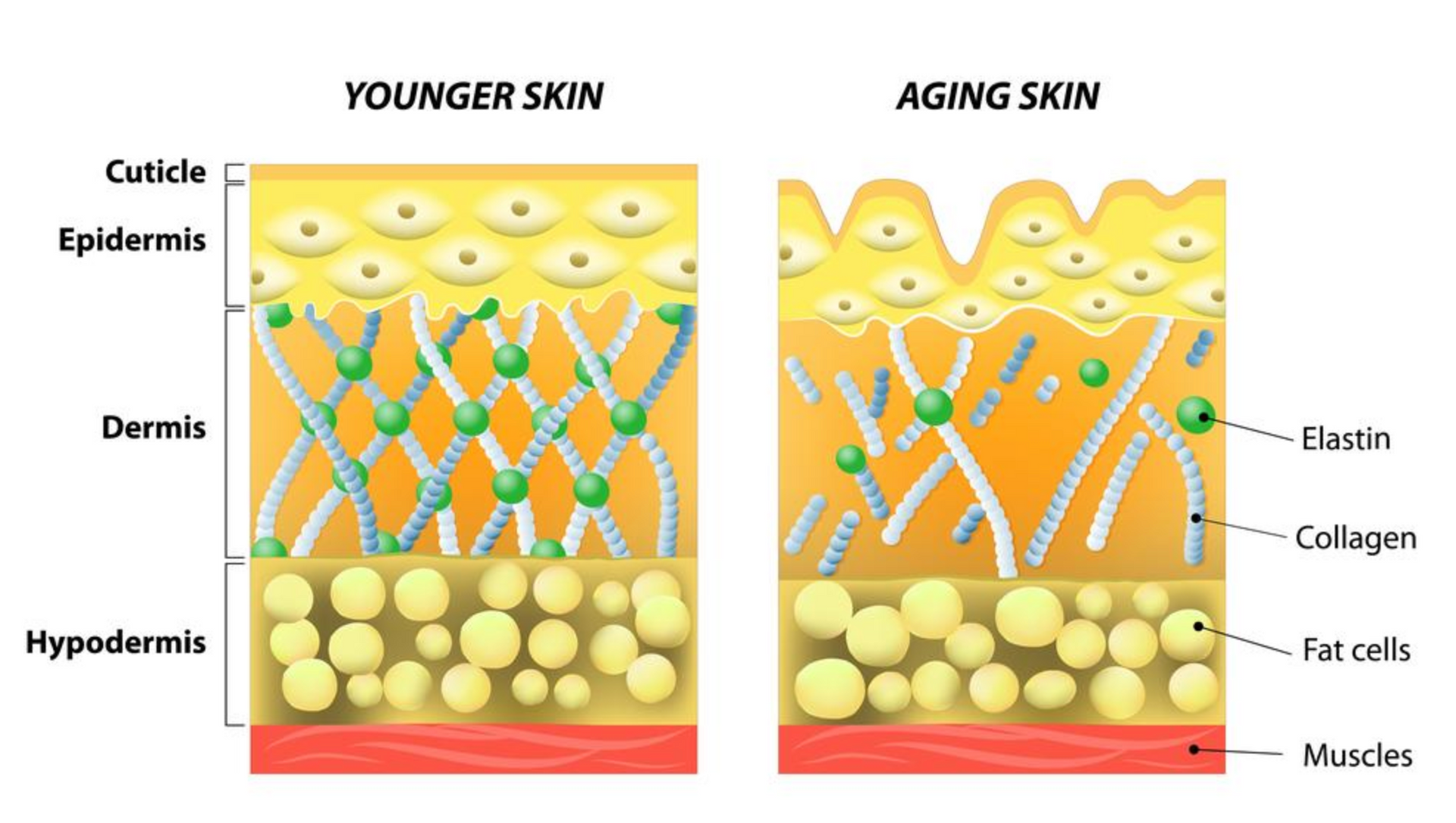
Each layer contributes something different. That is why filling a line or tightening skin, on its own, so often fails to produce the result someone was hoping for. The line was never the whole story.
Collagen and Elastin Do the Structural Work
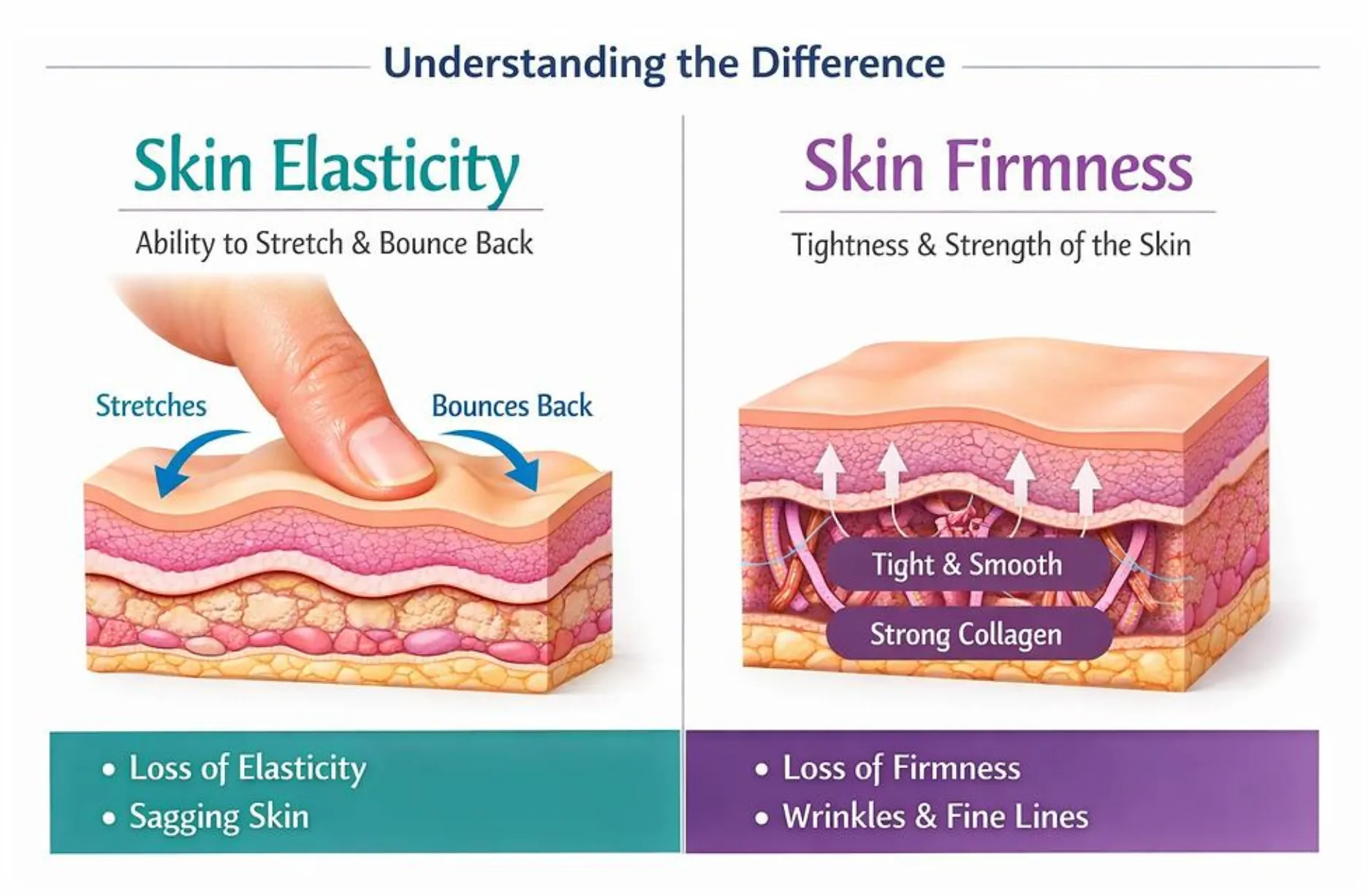
Collagen and elastin are the proteins that keep skin firm, smooth and resilient. Collagen production starts declining as early as your mid to late twenties, and it keeps declining every year after that.
Over time that shows up as thinner skin, reduced elasticity, fine lines, crepey texture, slower healing and increasing laxity.
Sun exposure accelerates all of it. Ultraviolet radiation is the single largest external driver of premature skin aging, which is why daily sun protection does more for the long game than almost anything else you can buy.
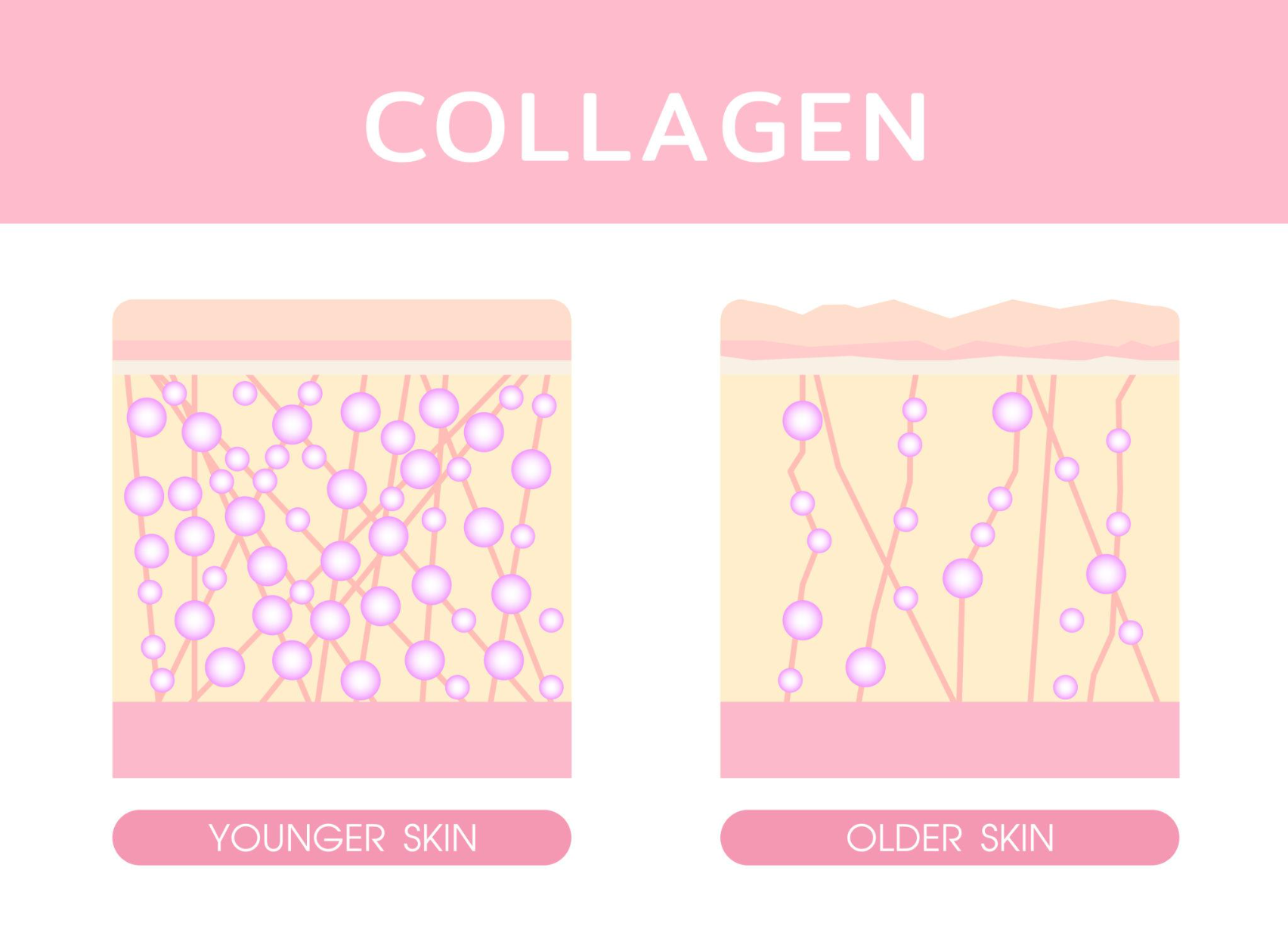
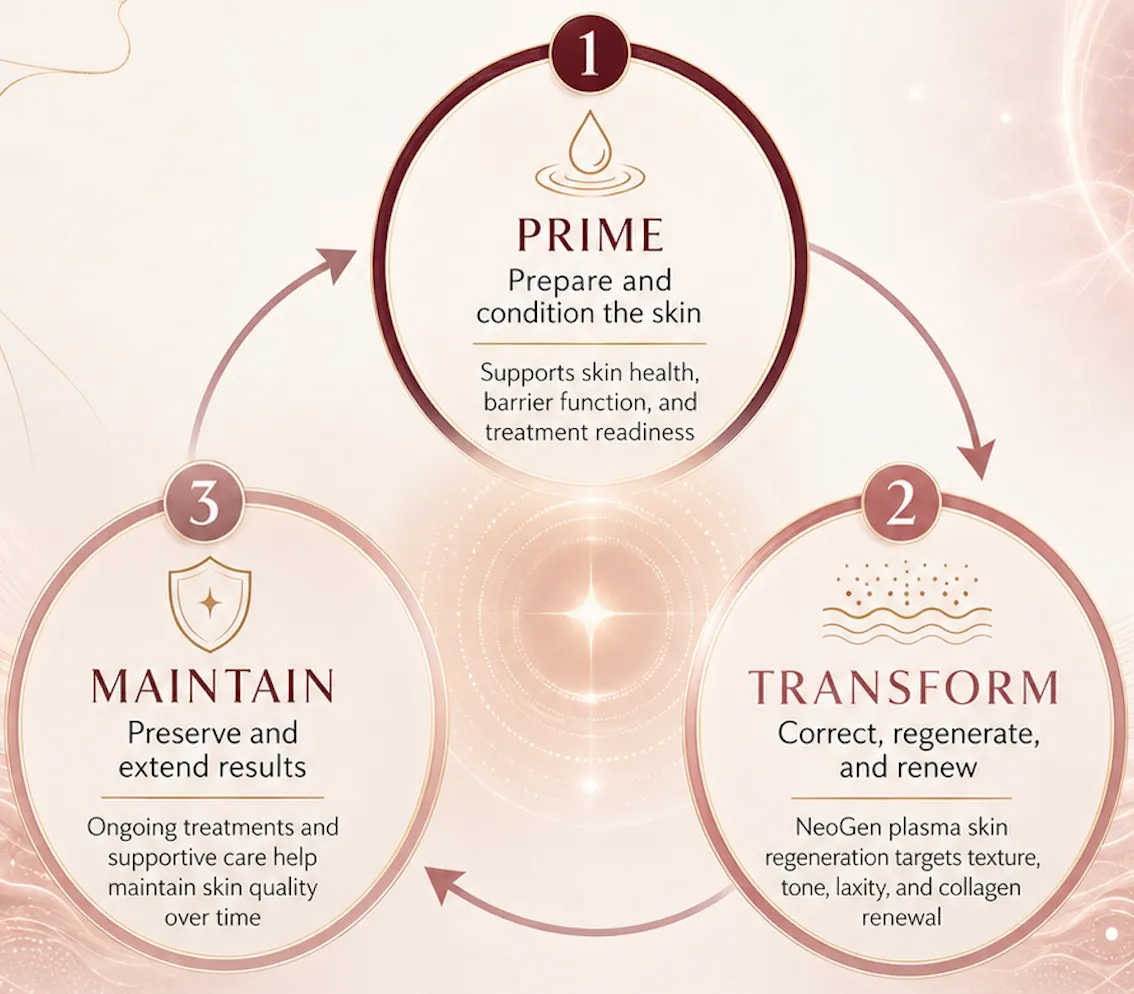
Treatments like plasma skin regeneration, microchanneling and biostimulators aim at rebuilding these proteins rather than covering for their absence.
Volume Loss Changes the Shape of Your Face
This is the one most people underestimate. A younger face has balanced fat distribution, smooth transitions and soft contours. With age the facial fat pads shrink, descend and move.
What that produces is hollow under-eyes, flattened cheeks, nasolabial folds, marionette lines, jowling and hollowing at the temples. The face gradually shifts from a heart shape with weight up high to a heavier lower face.
Volume loss creates shadows. Shadows under the eyes and along the cheek read as fatigue to everyone who looks at you, which is why so many people tell me they look tired after a full night of sleep. The problem is not the line, it is the light.
The Bone Underneath Changes Too
Most people are surprised by this one. The facial skeleton resorbs gradually with age, particularly around the eye sockets, the jawline and the midface.
When the foundation changes, the soft tissue sitting on top of it no longer sits the same way. That contributes to deeper folds, sagging, loss of jawline definition, changes around the mouth and hollowing beneath the eyes.
This is the single best argument for restoring structural balance rather than chasing individual lines with more and more product.
Muscle Movement Etches Lines In
Expression is not the enemy. But decades of smiling, squinting, frowning and raising your brows eventually press those movements into the skin, until the line is there even when your face is at rest.
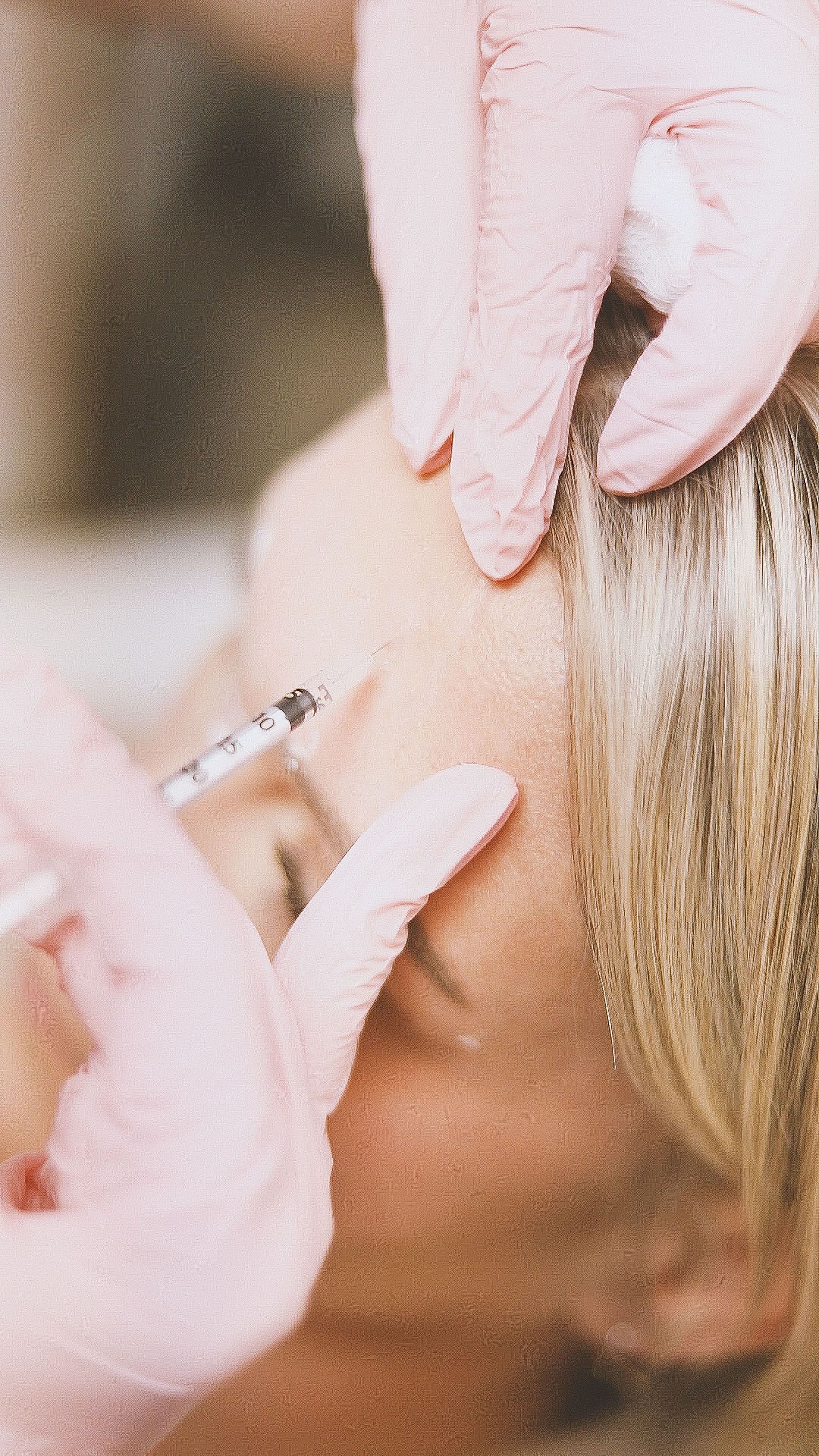
Crow's feet, forehead lines and frown lines between the brows are the usual examples. Neuromodulators can soften the repeated contraction while leaving your expression intact, as long as they are placed conservatively and with an eye on how your face actually moves.
Skin Quality Matters More Than People Expect
A rested appearance is not only about tightness and volume. Skin quality carries an enormous amount of it, and it is often the fastest thing to improve.
Aging skin tends to develop uneven tone, rough texture, visible pores, pigmentation, redness and dullness. Even modest improvement across those can change how the whole face reads.
That is why a plan often combines plasma resurfacing, microchanneling, collagen stimulation and medical-grade skincare rather than relying on any one of them. Improving skin quality is usually what makes someone look refreshed rather than treated.
Genetics Set the Pace, Lifestyle Changes It
Genetics decide a lot about how your face ages. Everything else is negotiable.
Sun exposure, smoking, chronic stress, poor sleep, alcohol, dehydration, poor nutrition and rapid weight fluctuation all accelerate visible aging. The twin studies on this are striking: take two people with identical DNA, give one of them decades of sun and cigarettes, and the difference is obvious to anyone looking.
Daily sunscreen remains the highest-return habit available, and it is not close.
Hormonal Change Can Move Fast
Perimenopause and menopause can affect skin thickness, hydration and elasticity significantly, and the change can feel abrupt. Declining estrogen contributes to dryness, thinning skin, accelerated collagen loss and increased laxity.
Plenty of women tell me their skin changed more in two years than in the previous fifteen. That is real, and a plan that ignores it will underperform.
Why People End Up Overfilled
The fear of looking unnatural is the most common one I hear, and it is well founded. Distorted results usually come from treating visible folds in isolation without addressing what caused them.
Filler cannot replace skin elasticity, bone support, tissue quality or collagen integrity. When it is asked to do those jobs, the only way to make a visible difference is volume, and volume in the wrong place is exactly what people are afraid of.
Balanced work usually means smaller amounts across several areas rather than aggressively filling one feature.
If a fold keeps coming back no matter how much is put into it, the fold is not the problem. Something underneath it is, and more product will not fix it.
Prevention Beats Correction, Usually
Small, strategic treatment earlier in the process tends to produce more natural long-term outcomes than waiting for significant laxity or volume loss and then trying to reverse it.
- Protect what you have, with daily sunscreen and a routine you will actually keep
- Support skin quality and collagen before laxity becomes structural
- Add volume or structure only where the assessment says it is genuinely missing
Most people are not trying to look different. They are trying to stay recognisably themselves for longer, and that is a far easier brief to deliver on early than late.
The Shift Toward Regenerative Treatment
Aesthetics has moved noticeably toward treatments that prompt the body to repair and rebuild rather than ones that simply add or remove. Plasma skin regeneration, biostimulatory injectables, microchanneling and collagen induction all work on that principle.
They improve skin quality, stimulate collagen and build tissue health over months rather than overnight, which suits most people better than an abrupt change would.
No Two Faces Age the Same Way
Some people lose volume early. Others see laxity first, or pigmentation, or texture. A proper assessment looks at facial anatomy, skin quality, bone structure, fat distribution, muscle movement, lifestyle and what you actually want in ten years, not just what bothers you today.
That is the difference between a plan where the treatments work together and a sequence of individual fixes that quietly fight each other.
Aging Well Does Not Mean Looking Different
The goal is not erasing every line. Most of the people I see want to look less tired, improve their skin, restore a little structure, and feel comfortable without makeup. They want to still look like themselves.
That is a better brief than perfection, and it is the one that produces results other people cannot quite put their finger on.
Frequently Asked Questions
Collagen and elastin loss, volume loss as fat pads shrink and descend, bone resorption, repeated muscle movement, accumulated sun exposure and hormonal change. All of them at once, in different proportions for every face.
Collagen production begins declining in your mid to late twenties, long before anything is visible. When you start to see it depends on genetics, sun history and lifestyle, which is why two people the same age can look a decade apart.
The fat pads that give a younger cheek its fullness shrink and descend, and the collagen holding everything in position weakens. Gravity does the rest. The cheek does not just deflate, it moves.
Yes, by triggering your own fibroblasts to produce more. Plasma skin regeneration, microchanneling and biostimulators all work this way. What does not work is applying collagen to the surface and hoping it gets in.
Genetics set the baseline, then sun exposure, smoking, sleep, stress and skincare decide how far you drift from it. Sun is the biggest single variable and the one most within your control.
Often, yes. Volume loss creates the shadows, folds and sagging that most people read as an aged face. You can soften every line and still look tired if the underlying structure has changed.
A personalized plan that treats several layers modestly rather than one layer aggressively. Natural results come from proportion, not from avoiding treatment.
Daily sunscreen first, because nothing else comes close. Then sleep, not smoking, a skincare routine you will actually keep, and collagen-supporting treatment once your skin starts changing.
Plasma skin regeneration, microchanneling, collagen stimulation and medical-grade skincare. These work on the skin itself rather than on volume or movement, and they are usually what makes someone look refreshed.