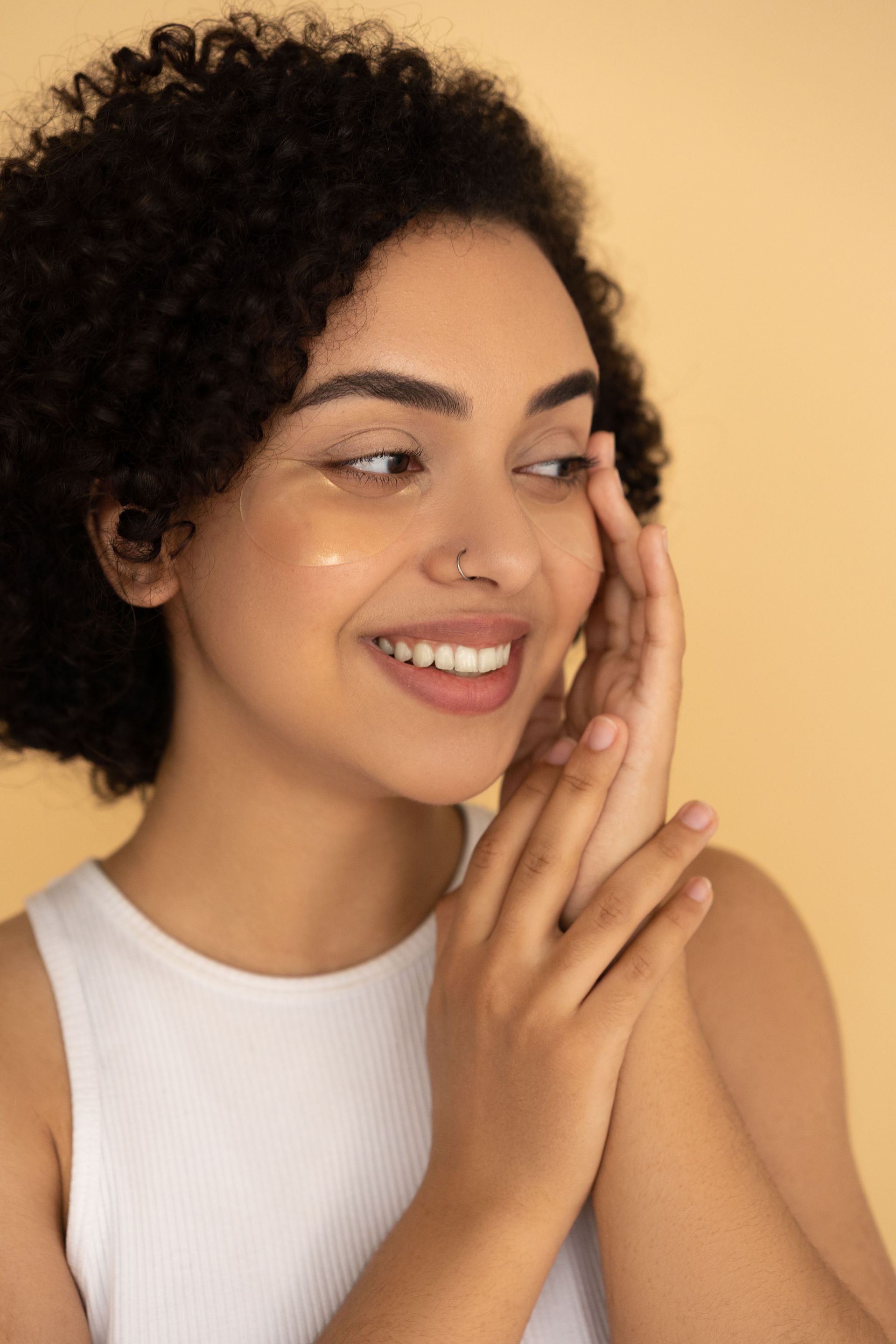
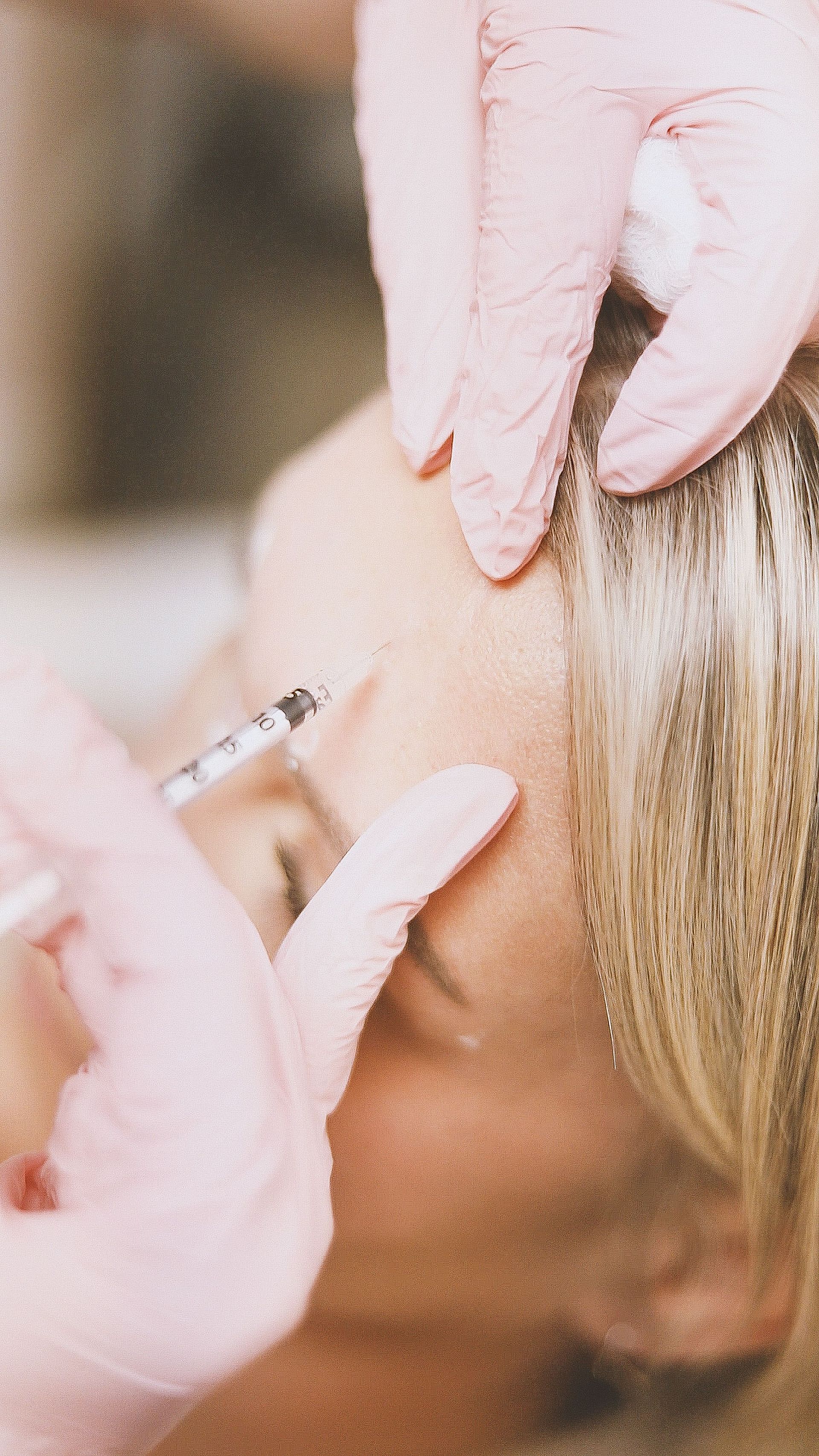
Healthy skin is not poreless, perfectly smooth or free of every blemish. Real skin has texture, pores, fine lines, freckles and the occasional bad week. If the standard you are measuring against is a retouched photograph, nobody passes, including the person in the photograph.
Healthy skin is comfortable, resilient, adequately hydrated and able to do its job as a barrier. Those are the things worth paying attention to, and they are the things I actually assess.
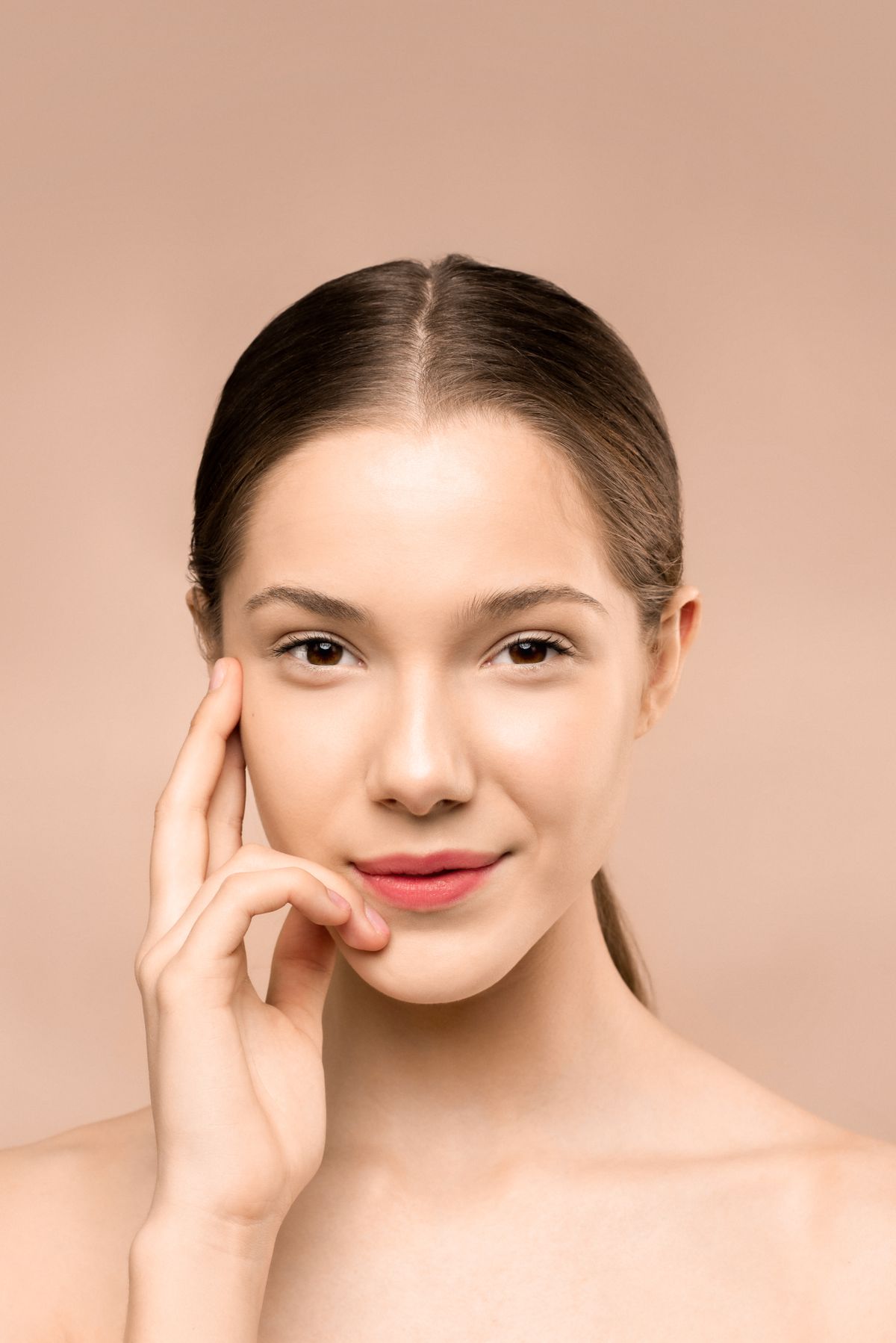
1. Your Skin Feels Comfortable
Healthy skin mostly does not announce itself. You should not be aware of it all day. Persistent tightness, burning, itching or stinging suggests dryness, irritation, sensitivity or a disrupted barrier.
Temporary sensitivity after a new product or a treatment is normal and expected. Discomfort that continues or gets worse is not, and should be looked at properly rather than layered over with another product.
2. Your Skin Is Adequately Hydrated
Hydrated skin feels soft and flexible rather than rough, flaky or tight. When skin loses too much water, the surface turns dry, scaly and more easily irritated.
Drinking water supports your health generally, but a topical moisturizer does far more to reduce water loss from the skin itself. And choose for your skin type rather than your assumptions: oily skin still needs hydration, and stripping it usually makes the oil worse.
3. Your Texture Is Smooth Enough, and Resilient
Every face has texture. Healthy skin can have visible pores, fine lines, old acne scars and small bumps. None of that makes it unhealthy.
The meaningful sign is resilience. Skin should not stay persistently rough, inflamed, cracked or easily injured. Texture changes can come from dryness, sun exposure, acne, age, product irritation or an underlying condition, and which one it is decides what to do about it.
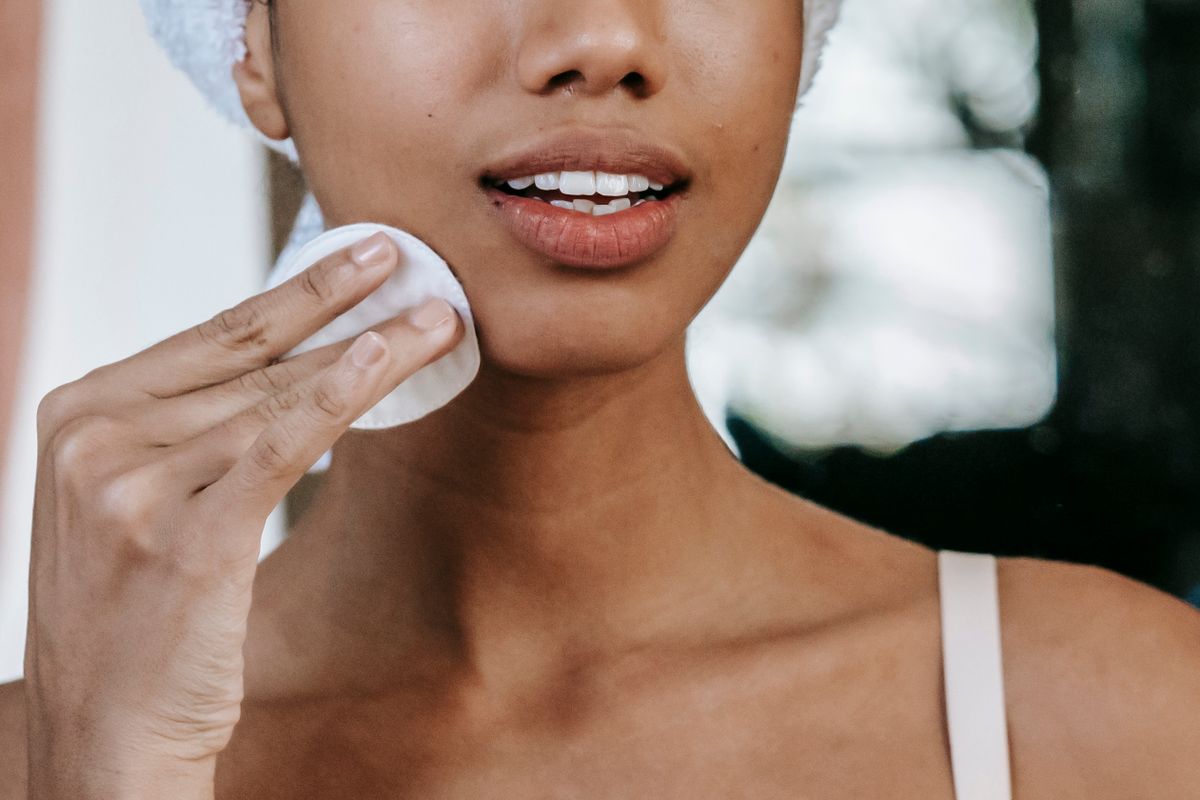
4. Your Tone Looks Balanced
Healthy skin does not require one uniform colour. Freckles, birthmarks, natural pigment variation and post-acne marks are all ordinary.
Balanced means no unexplained or persistent redness, greyness, yellowing, inflammation or sudden discoloration. New or rapidly changing pigmentation should be assessed rather than treated as a purely cosmetic nuisance.
5. Your Skin Recovers
This is the one I weight most heavily. Healthy skin bounces back from minor dryness, a breakout or mild irritation with ordinary care. A compromised barrier stays red, flaky, uncomfortable and reactive for far longer than it should.
Healing ability varies with age, general health, medication and lifestyle. A sore that does not heal, or a spot that changes, itches or bleeds, needs medical evaluation rather than a skincare recommendation.
I am an aesthetics provider, not a dermatologist. Anything that is growing, changing, bleeding or refusing to heal belongs with a physician first. I would far rather send you to one than treat around something that needed looking at.
How to Support Healthier Skin
Consistency beats novelty. A routine you keep for a year will do more than a cupboard of products you rotate through every six weeks.
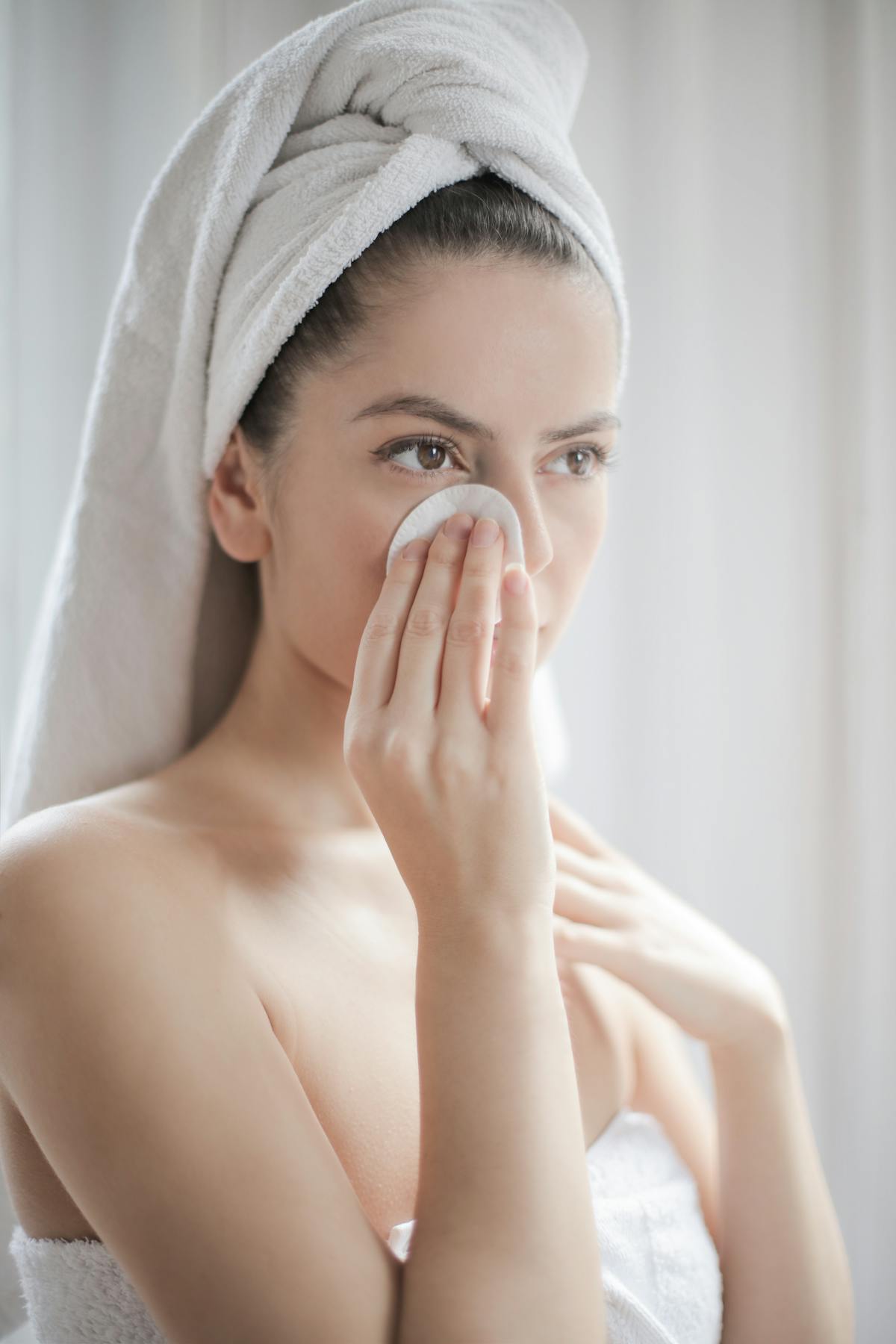
- A gentle cleanser that does not leave your skin feeling stripped
- A moisturizer matched to your skin type, used daily
- Broad-spectrum, water-resistant sunscreen at SPF 30 or higher, every morning
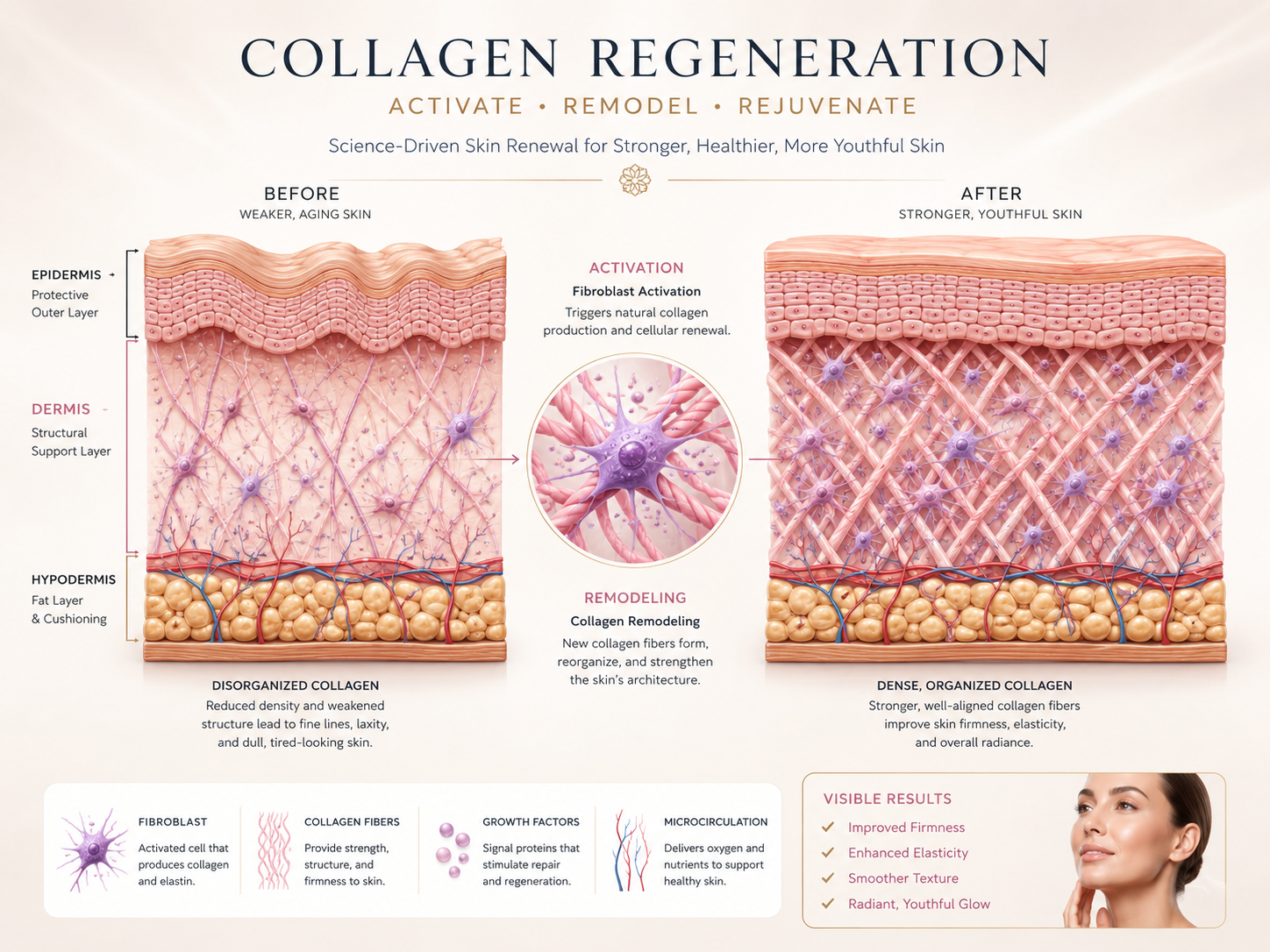
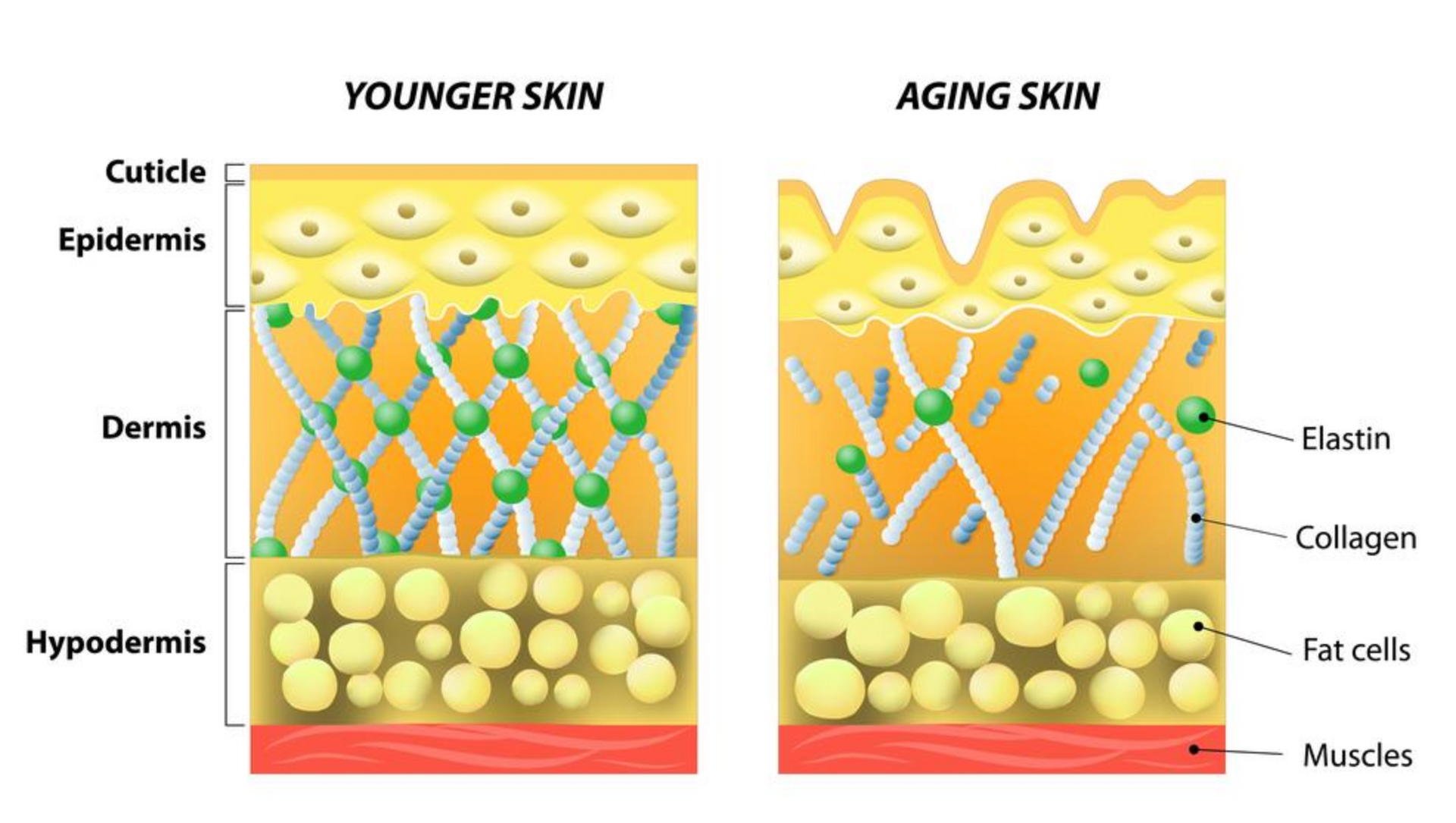
That is genuinely most of it. Sunscreen is the one with the largest long-term return, because it protects the collagen and barrier you already have while everything else works.
Professional treatment is worth adding when something is not improving with home care: uneven texture, visible sun damage, laxity, or scarring. That is a different conversation from basic skin health, and it should come after the basics, not instead of them.
Frequently Asked Questions
Yes. Pores are normal anatomy. How visible they are depends on genetics, oil production, age and skin condition, and no product closes them permanently.
Yes. An occasional blemish says nothing about your skin's health. Persistent, painful or scarring acne is a different matter and deserves proper care.
No. A natural glow usually reflects good hydration, but shine can equally be oil, sweat, or a product irritating your barrier into looking dewy.
No. Oil supports your barrier. Problems start when excess oil contributes to congestion or inflammation, not from the oil existing.
Healthy skin can have plenty of natural colour variation. It is sudden, unexplained or persistent discoloration that is worth investigating.
Dull, tight, flaky, and often more lined than usual. Oily skin can be dehydrated too, which surprises people and leads them to strip it further.
Yes. Sensitivity can simply be your skin type. Frequent burning or visible inflammation is different and should be assessed.
They can improve specific concerns, but they do not replace the basics. A treatment performed on a compromised barrier tends to go badly, which is why I check that first.
For anything persistent, and for any lesion that grows, changes, bleeds, itches or does not heal. That is a medical question, not a cosmetic one.