When it comes to skincare, we are constantly hearing about the next breakthrough ingredient, advanced anti-aging treatment, or product promising smoother, younger-looking skin.
But sometimes, the most important thing you can do for your skin is not adding another active ingredient or scheduling another treatment.
It is getting back to basics.
At Good Skin Aesthetics in Loomis, California, one of the first things I evaluate during a skin consultation is the condition of the skin barrier. Why? Because even the most sophisticated skincare products and regenerative treatments can be less effective, or poorly tolerated, when the skin’s protective barrier is not functioning properly.
Healthy skin starts with a healthy barrier. Understanding how your skin barrier works, what damages it, and which ingredients help restore it is one of the most valuable steps you can take toward long-term skin health.
What Is the Skin Barrier, and Why Does It Matter?
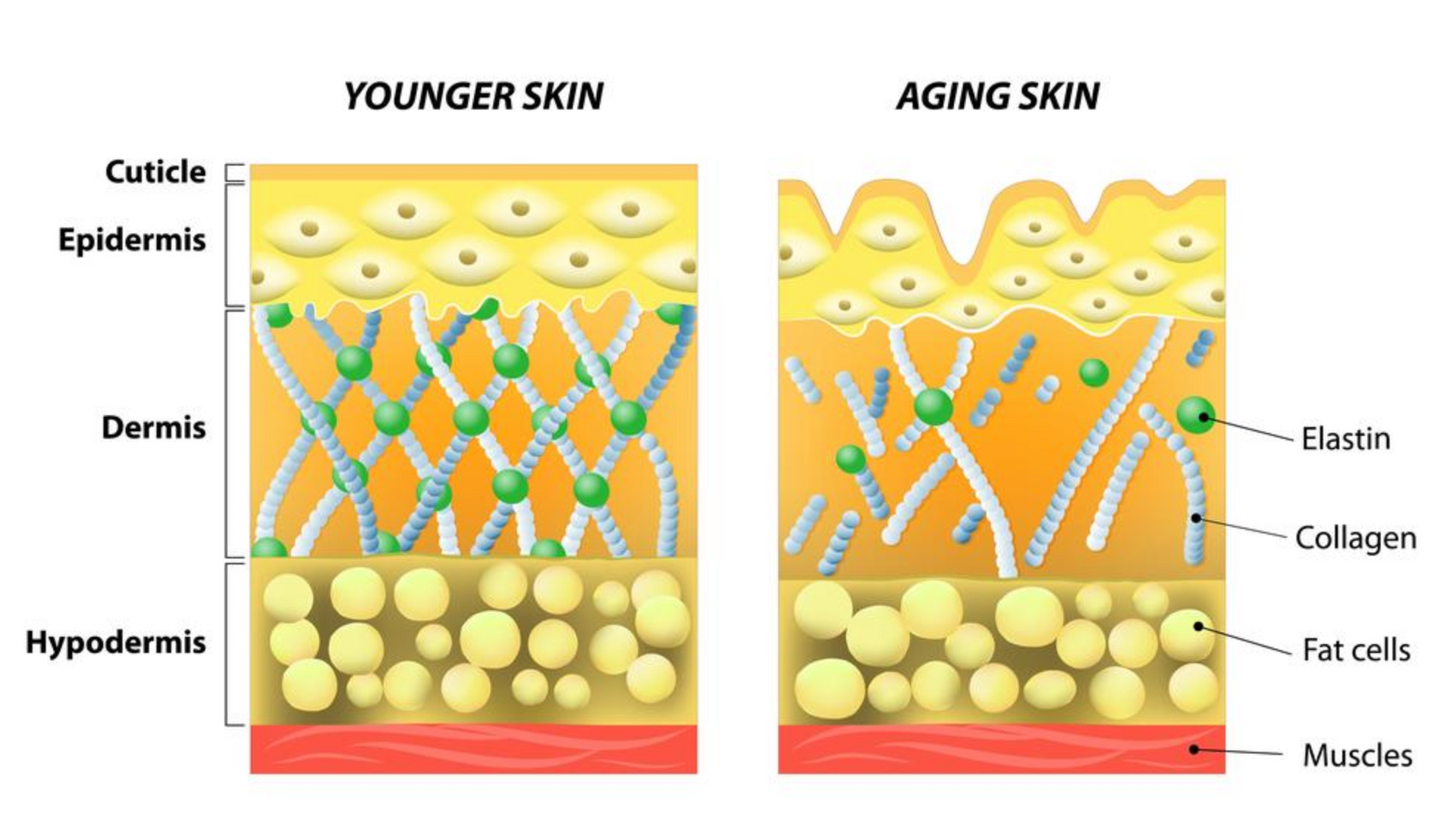
Your skin barrier is primarily located within the stratum corneum, the outermost layer of your epidermis.
Think of it as a brick wall. The skin cells, called corneocytes, are the bricks. Surrounding those cells is a carefully organized mixture of lipids that acts as the mortar, holding everything together.
This lipid matrix consists primarily of three essential components:
- Ceramides: Approximately 50% of the lipids between your skin cells
- Cholesterol: Approximately 25%
- Free fatty acids: Approximately 10 to 20%
These percentages are approximate and vary depending on how the lipids are measured and the condition of the skin.
Together, these lipids create a protective structure that helps prevent excessive water loss while limiting the entry of irritants, allergens, and environmental stressors.
When this system functions properly, skin tends to feel comfortable, hydrated, and resilient.
When it becomes disrupted, moisture escapes more easily through a process called transepidermal water loss, or TEWL. Skin may become dry, tight, flaky, sensitive, or inflamed.
You can have oily skin and still have a compromised skin barrier. Barrier health is not determined by how much oil your skin produces. It is about how effectively your skin retains moisture and protects itself.
How Does Your Skin Barrier Become Damaged?
Many patients are surprised to learn that their skincare routine may be contributing to their skin concerns.
Some of the most common causes of barrier disruption include:
- Over-exfoliation
- Harsh cleansing products
- Excessive use of retinoids or acids
- Environmental exposure
- Underlying inflammatory conditions such as eczema or rosacea
Even well-intentioned skincare routines can become problematic when too many active ingredients are introduced at the same time. Your skin needs time to adapt, repair, and maintain its natural lipid organization.
Common signs of a compromised skin barrier include persistent dryness despite moisturizing, stinging when applying products, increased redness, rough texture, flaking, and unusual sensitivity.
These symptoms are not always caused by barrier damage, so persistent or worsening irritation deserves a professional evaluation.
The Science of Skin Barrier Repair: Five Ingredients Worth Understanding
Not all skincare ingredients repair the barrier in the same way.
Some replenish components of the skin’s protective lipid structure. Others support the skin’s natural ability to produce those lipids or address inflammation that may be interfering with healthy function.
Understanding the difference can help you make more informed skincare choices.
1. Ceramides: The Foundation of the Lipid Barrier
Ceramides are naturally occurring lipids that make up a substantial portion of the skin’s intercellular matrix. They help maintain the organized structure that keeps moisture inside the skin and environmental irritants outside.
When ceramide levels or composition change, the barrier may become less effective at preventing water loss.
Topical moisturizers containing ceramides can help replenish barrier lipids, particularly when formulated alongside cholesterol and fatty acids.
2. Cholesterol: Essential for Barrier Organization
Cholesterol is sometimes misunderstood because of its association with cardiovascular health. But within the skin, cholesterol is a necessary structural lipid.
It helps maintain the organization and flexibility of the lipid layers between skin cells, and it works alongside ceramides and fatty acids to support normal barrier function.
This is why a moisturizer containing a combination of these lipids may be more beneficial for barrier repair than one relying on a single lipid ingredient.
3. Fatty Acids: Supporting Structure and Flexibility
Free fatty acids are another essential component of the skin’s protective lipid matrix.
Certain fatty acids, particularly linoleic acid, contribute to normal epidermal lipid processing and barrier integrity.
Not all fatty acids behave identically. Their chain length, saturation, and formulation influence how they interact with the skin.
When evaluating a moisturizer, the goal is not simply to find a product containing oils. It is to select ingredients and formulations that support the skin’s natural lipid balance.
4. Niacinamide: Helping Skin Support Its Own Barrier
Niacinamide, a form of vitamin B3, supports skin barrier function through a different mechanism.
Rather than directly replacing missing lipids, niacinamide helps your skin produce more of its own ceramides and other barrier lipids, which reduces water loss.
It also has anti-inflammatory properties and may help improve uneven skin tone and visible redness.
Niacinamide is commonly formulated in concentrations around 2 to 5%, although higher concentrations are available. More is not necessarily better, particularly for sensitive skin.
5. Azelaic Acid: Managing Inflammation and Uneven Tone
Azelaic acid is especially useful for patients dealing with acne, rosacea-related inflammation, and certain pigmentation concerns. It has anti-inflammatory, antimicrobial, and pigment-modulating properties.
However, unlike ceramides, cholesterol, and fatty acids, azelaic acid does not directly replenish the skin’s lipid barrier. Its role is more targeted: helping manage conditions that may coexist with barrier dysfunction.
Because azelaic acid can initially cause stinging, dryness, or irritation, I generally prioritize stabilizing a significantly compromised barrier before introducing or increasing potentially irritating active ingredients.
How to Repair Your Skin Barrier: Getting Back to Basics
When the skin barrier is compromised, my recommendation is usually to simplify rather than add more products.
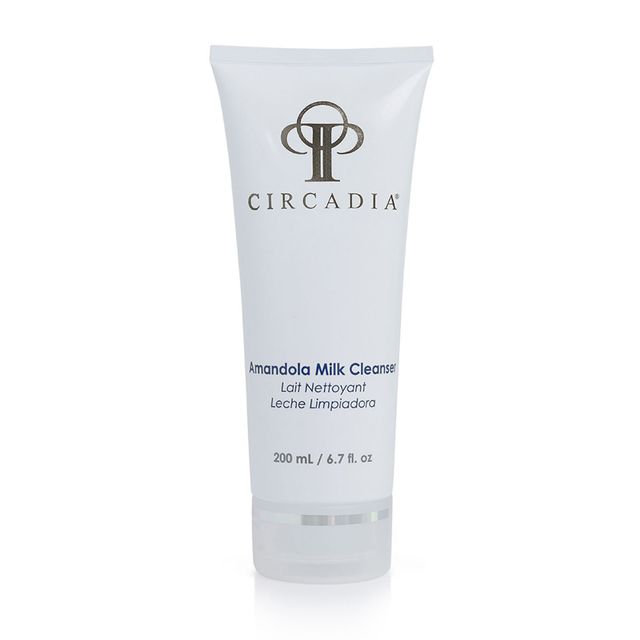
- Cleanse gently: Use a gentle, non-stripping cleanser and lukewarm water.
- Replenish lipids: Follow with a moisturizer containing barrier-supporting ingredients, ideally ceramides, cholesterol, and fatty acids. Ingredients such as glycerin and hyaluronic acid can provide additional hydration.
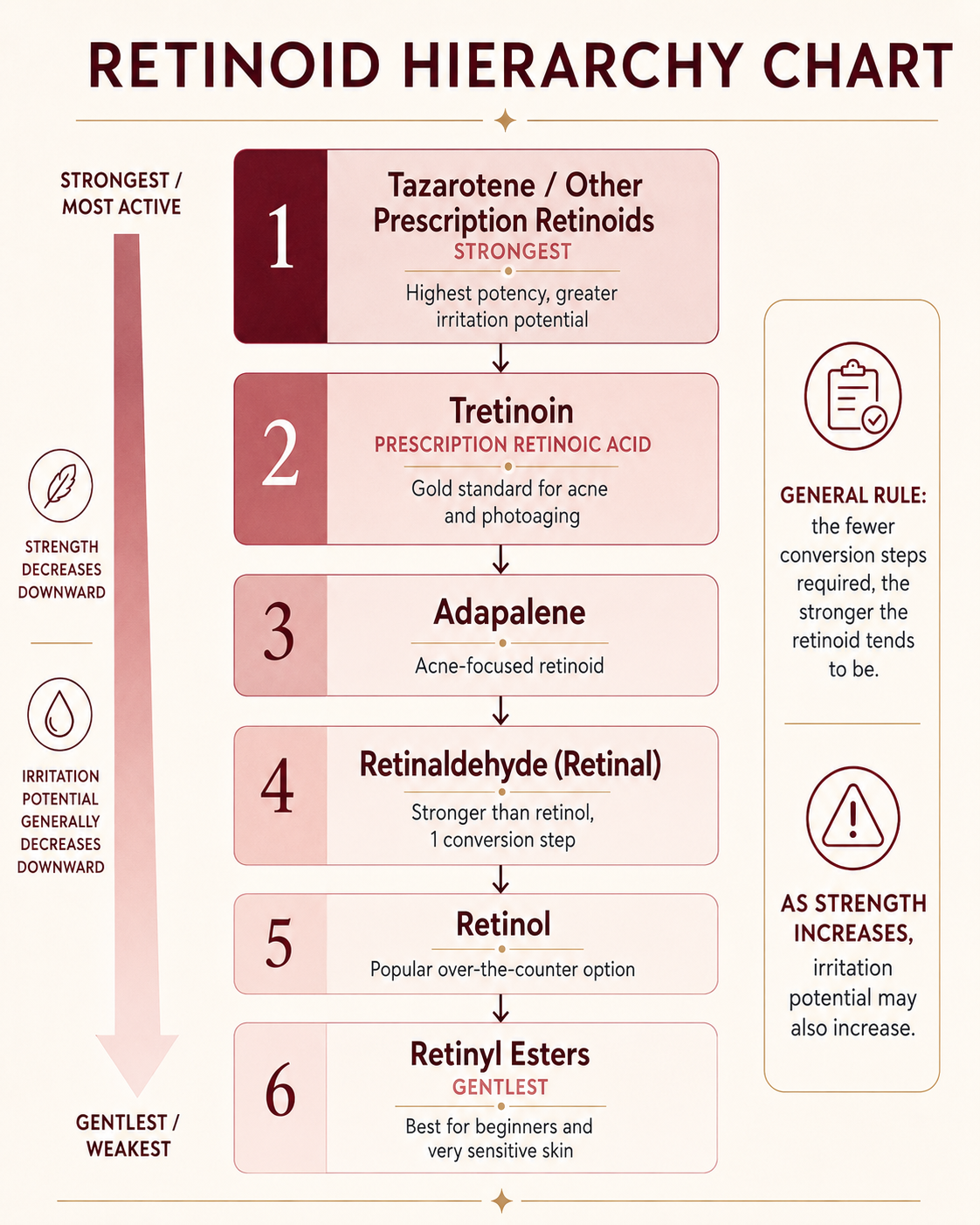
- Pause the irritants: Temporarily reduce potentially irritating products, including exfoliating acids, scrubs, and retinoids, until your skin is comfortable and tolerating its routine.
- Protect every day: Daily broad-spectrum SPF 30 or higher remains essential for protecting against ultraviolet damage.
Choose a moisturizer suited to your skin type and apply it consistently, ideally right after cleansing while your skin is still slightly damp. If you would like help choosing, the products I trust are in my skincare shop.
Barrier recovery varies. Mild irritation may improve within days, while more significant disruption can take several weeks or require medical treatment.
Why Skin Barrier Health Matters Before Aesthetic Treatments
At Good Skin Aesthetics, I consider skin preparation an important part of treatment planning, particularly before procedures involving controlled resurfacing or collagen stimulation.
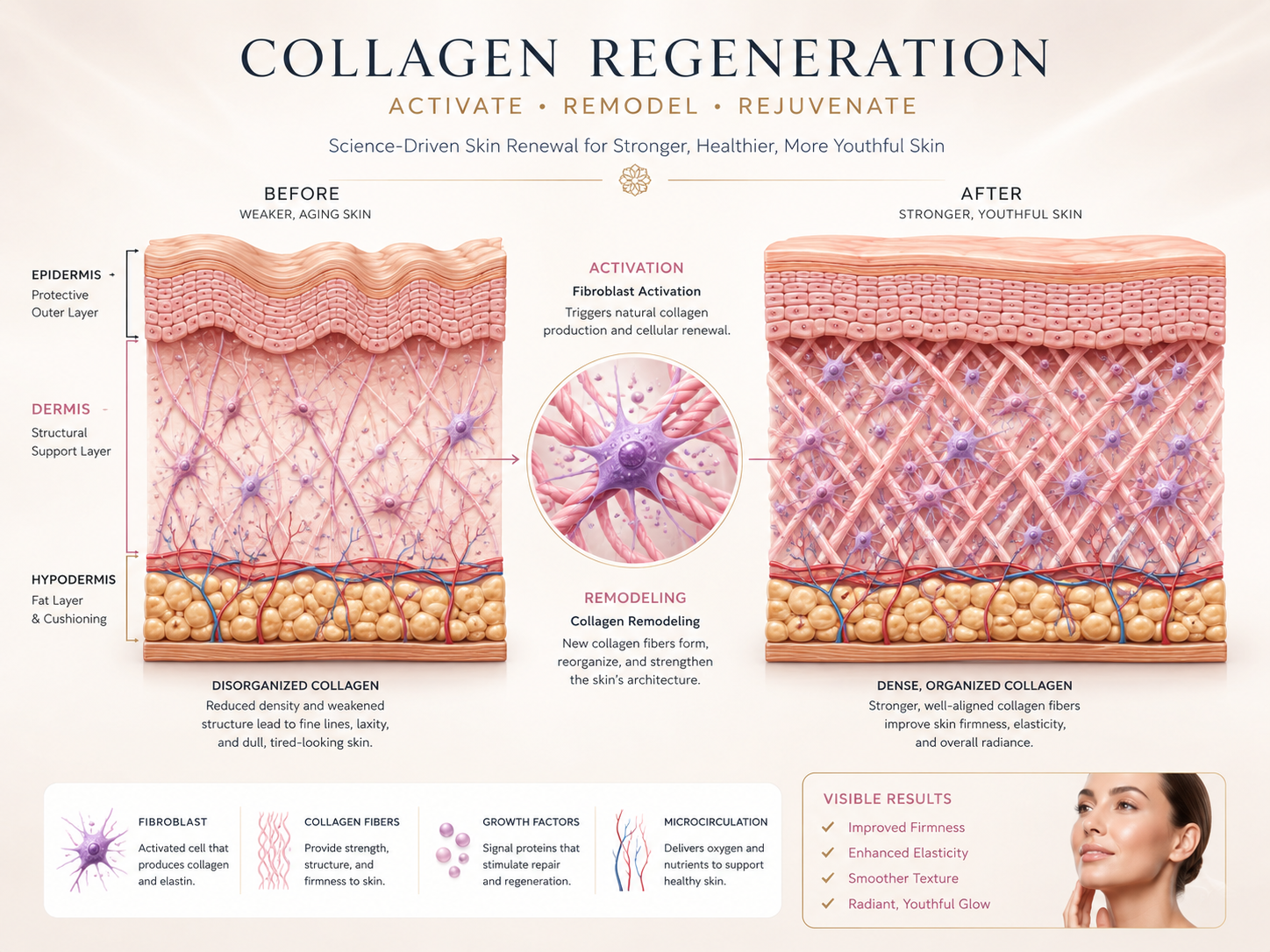
Treatments such as NeoGen PSR plasma skin regeneration intentionally create a thermal response that initiates tissue remodeling.
But healthy recovery depends partly on the condition of the skin before treatment.
When the barrier is already compromised, additional inflammation may increase discomfort, prolong recovery, or contribute to unwanted irritation.
This is why I may recommend several weeks of barrier-focused skincare before proceeding with certain aesthetic treatments. Preparing the skin is not delaying progress. It is creating a healthier foundation for treatment and recovery. I walk through exactly how I do that in Your Skin Barrier Is Everything, Especially Before NeoGen.
Healthy Skin Does Not Have to Be Complicated

One of the most important things I have learned throughout my experience in dermatology, nursing, and aesthetic medicine is that more is not always better.
A healthy skin barrier does not require a ten-step routine or the latest trending ingredient. It requires consistency, appropriate ingredients, and an understanding of what your skin actually needs.
That is why ingredient selection matters more than simply using more products.
At Good Skin Aesthetics in Loomis, my approach is to help you understand your skin, restore its protective functions when needed, and build a sustainable routine that supports healthy aging.
Because sometimes the best thing you can do for your skin is stop trying to do so much.
Get back to basics. Build a healthier barrier. Let your skin do what it was designed to do.
Frequently Asked Questions
Mild irritation can improve within days. More significant disruption can take several weeks of consistent, gentle care, and some cases need medical treatment.
Yes. Barrier health is about how well your skin holds onto water and protects itself, not how much oil it produces. Oily skin can still be dehydrated and sensitive.
There is no single best ingredient. A moisturizer that combines ceramides, cholesterol, and fatty acids tends to work better than one relying on a single lipid, and niacinamide helps your skin make more of its own ceramides.
Usually, yes, temporarily. I recommend pausing retinoids, exfoliating acids, and scrubs until your skin is comfortable again, then reintroducing them slowly.
Azelaic acid is helpful for acne, redness, and pigmentation, but it does not replace barrier lipids and can sting at first. I usually stabilize the barrier before introducing it.
Treatments like NeoGen create a controlled healing response. Starting with a healthy barrier supports a more comfortable recovery and a better foundation for results.
The information in this article is provided for general educational purposes only and is not intended to replace professional medical advice, diagnosis, or treatment. Every individual’s skin, medical history, and aesthetic goals are different. Treatment suitability, potential benefits, and risks should be discussed during an individualized consultation with an appropriately qualified healthcare professional. Individual results may vary. No specific treatment outcome is guaranteed.