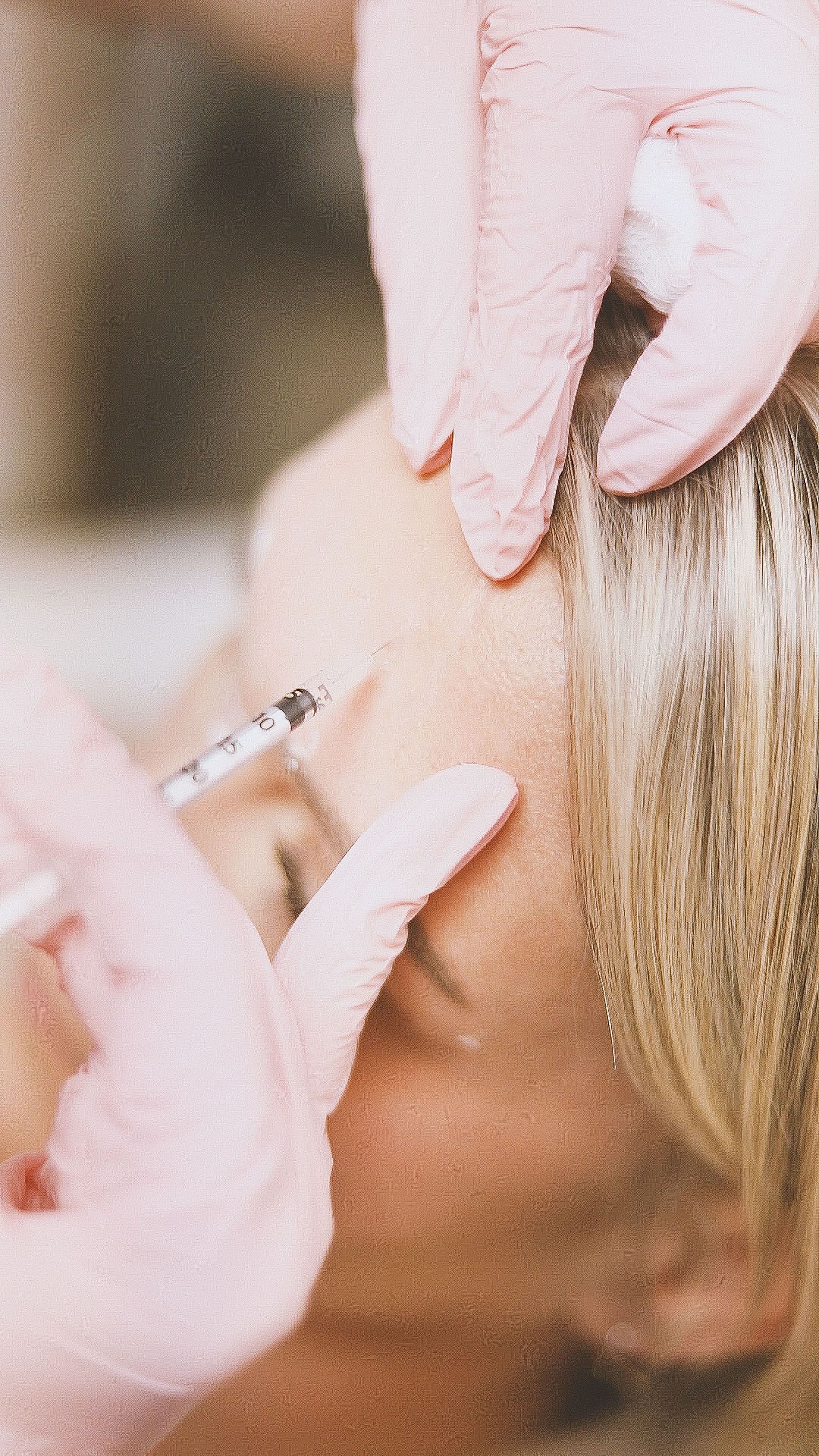
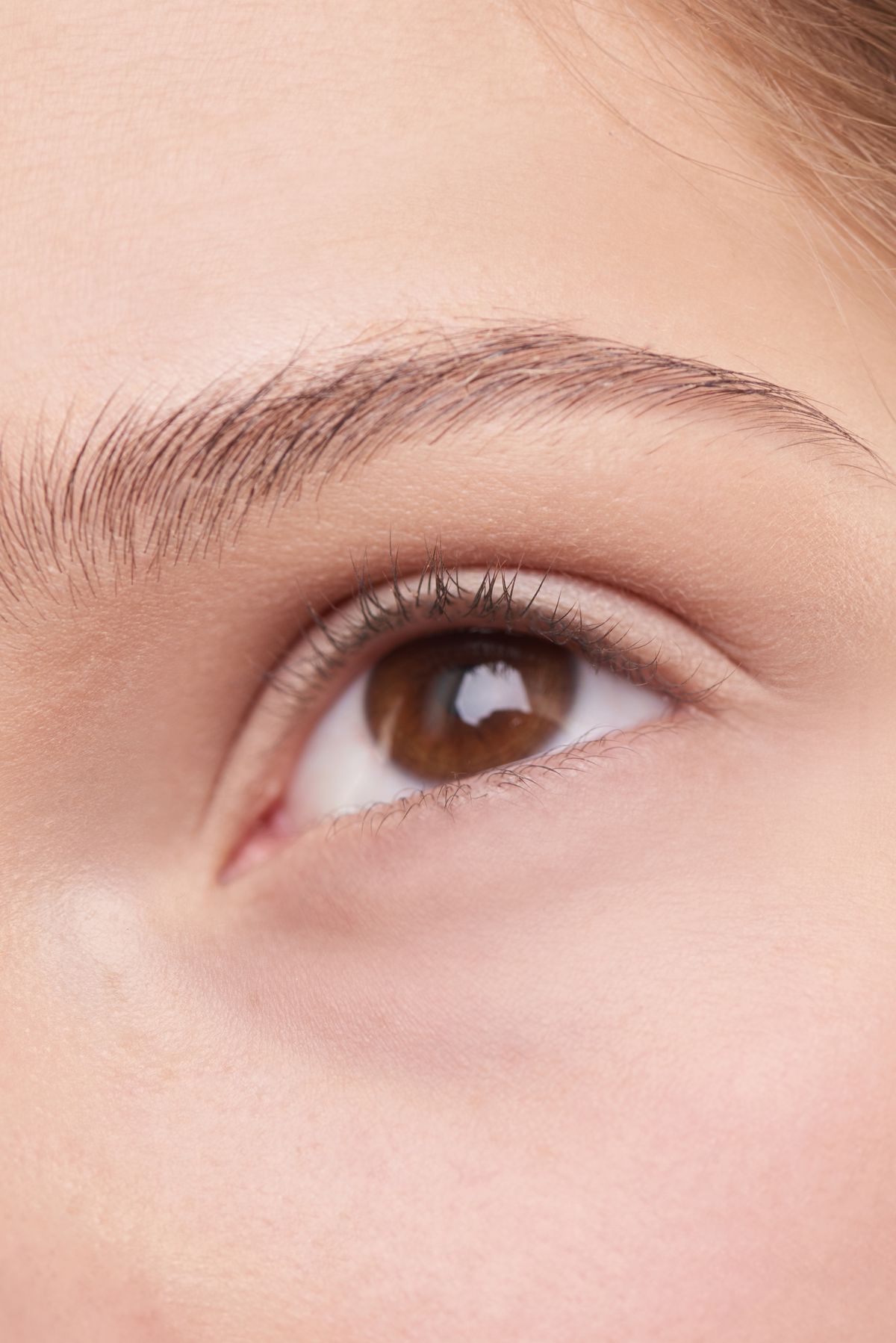
The skin around your eyes is thinner and more delicate than anywhere else on your face, which is why it tends to show change first. Fine lines, crepey texture and a loss of firmness can make you look tired on a morning when you slept perfectly well.
Most people assume surgery is the only answer to that. It is one answer. For plenty of people it is not the right first one, and it is worth understanding what else exists before you book a surgical consultation.

Why Eyelid Skin Ages Differently
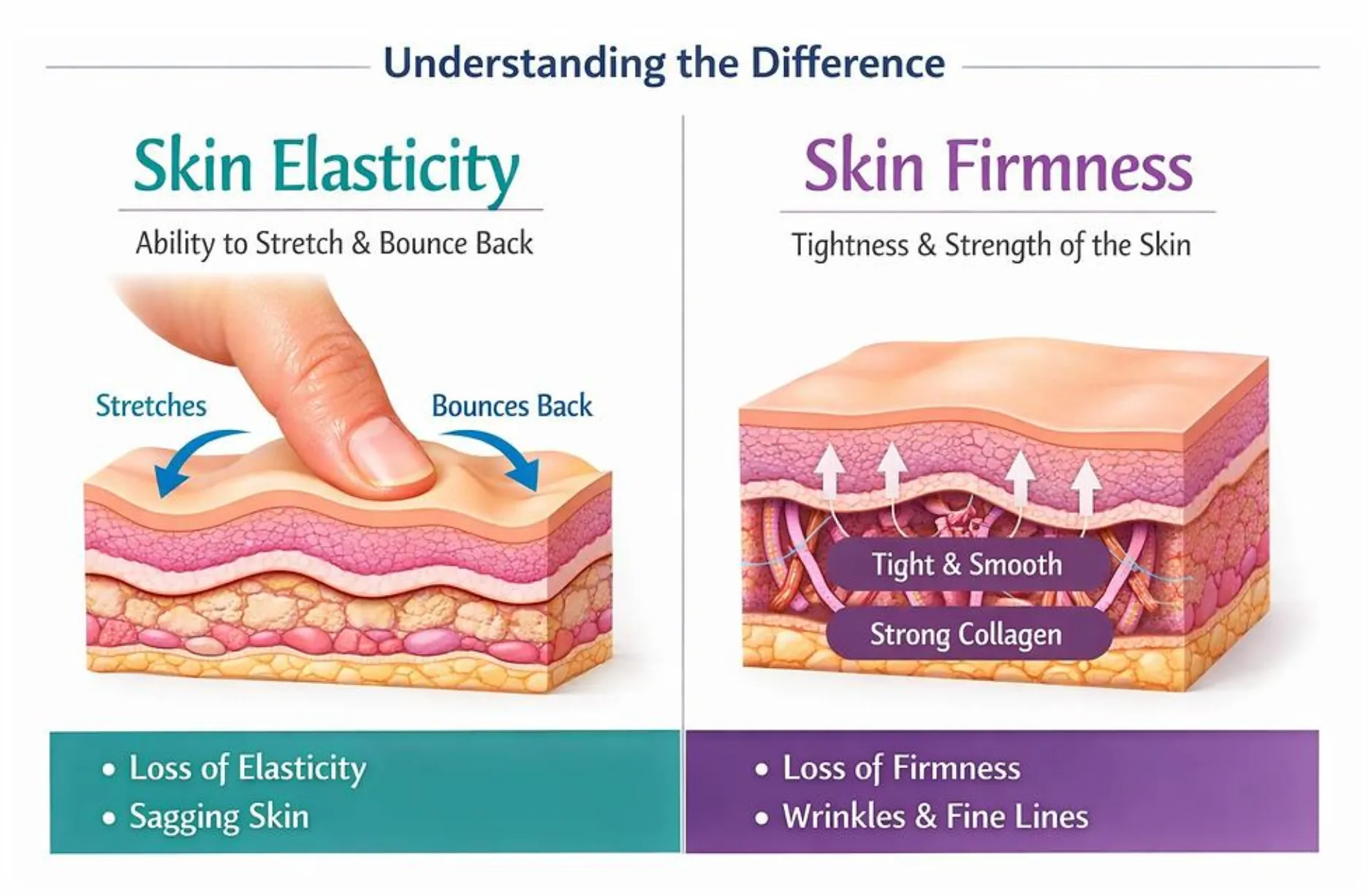
Your eyes are in near-constant motion. You blink, squint and express yourself with that area dozens of times a minute. Over years, that movement combined with sun exposure breaks down the collagen and elastin that keep skin firm.
Layer the ordinary collagen decline that starts in your twenties on top of that, and eyelid skin becomes noticeably thinner and looser earlier than the rest of your face. The result is drooping lids, etched creases and the crepey texture that makes people feel older than they are. If that is what brought you here, there is more on it in eye-area lines and skin laxity.
Why Non-Surgical Is Worth Considering First
Surgical blepharoplasty is genuinely effective for significant drooping, and for some people it is the correct answer. But it is not right for everyone.
Some people want improvement without the recovery. Some would rather start with something gentler and see how far it gets them. And a great many simply want to look rested rather than noticeably altered, which is a different goal from what surgery is designed to deliver.
How Plasma Skin Regeneration Works
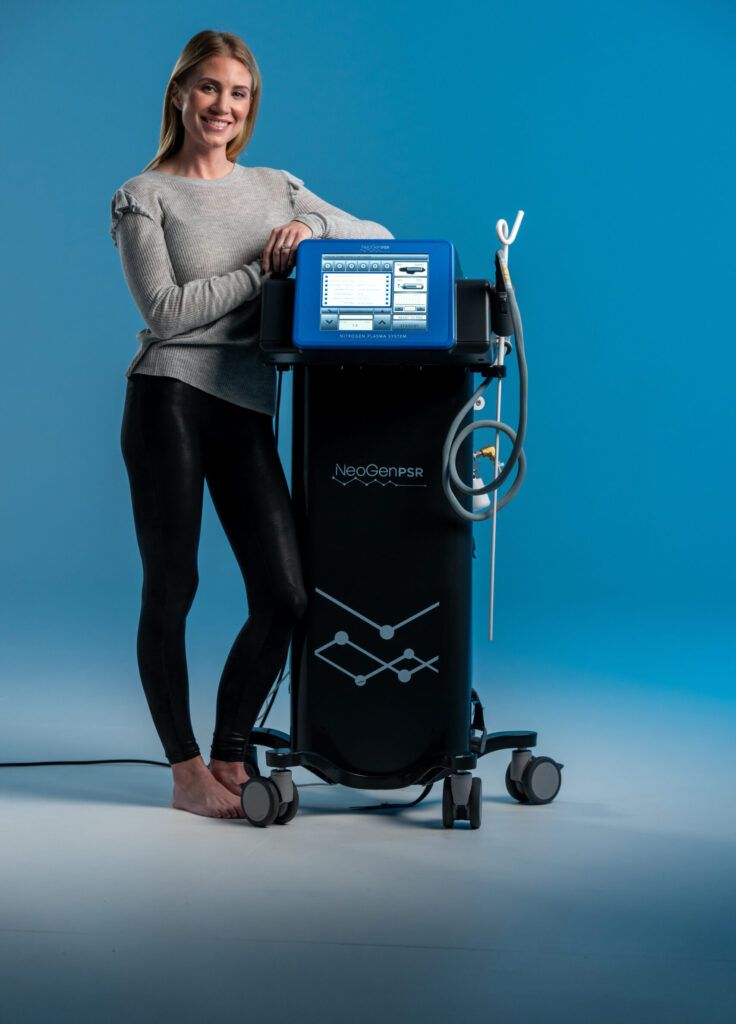
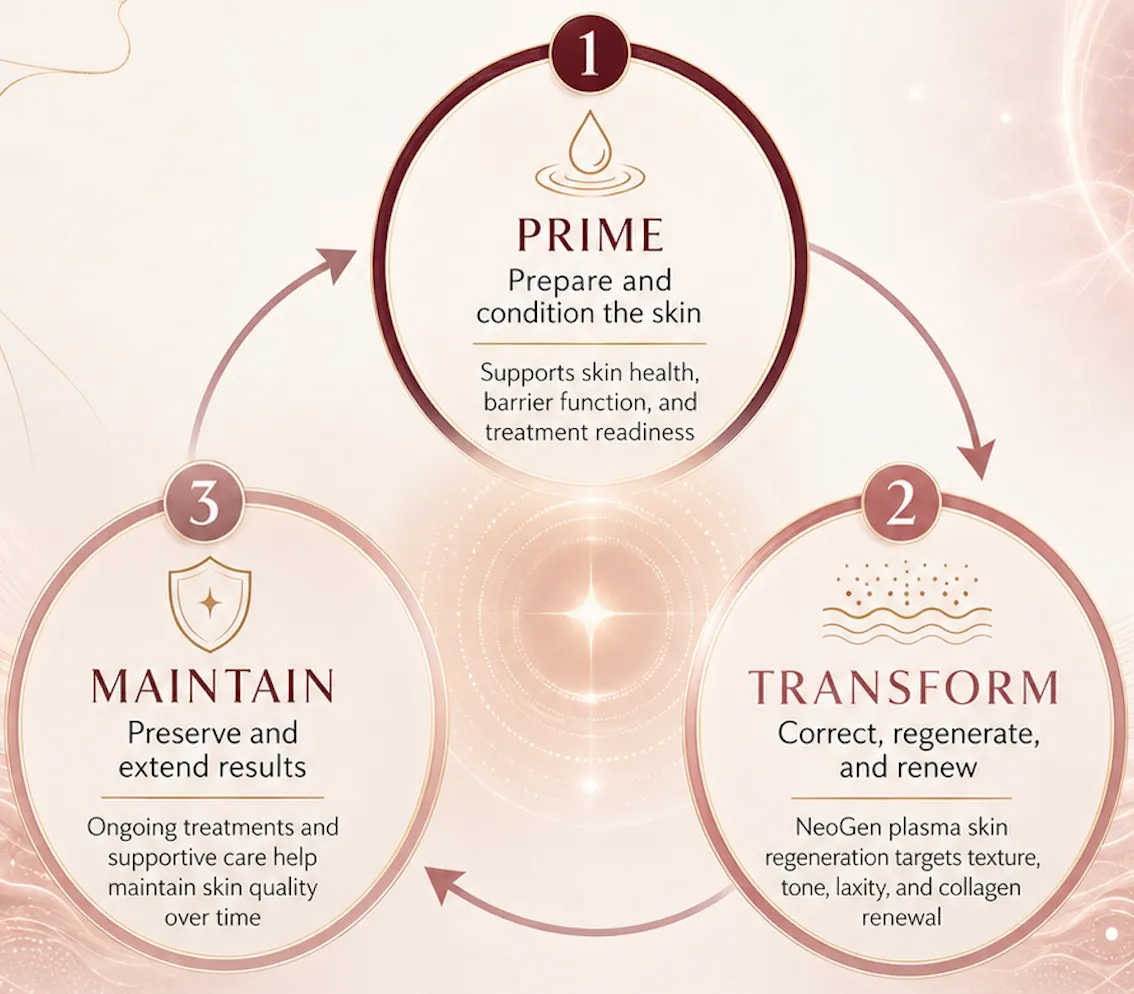
NeoGen plasma skin regeneration converts medical-grade nitrogen gas into plasma, and delivers that energy into the skin as controlled thermal stimulation. It does not vaporize the surface the way an ablative laser does, and it does not puncture the skin the way microneedling does.
What that controlled stimulation does is activate your fibroblasts, the cells that produce collagen and elastin. Your body then does the rebuilding itself, over weeks and months rather than overnight. The skin around your eyes becomes firmer, smoother and more resilient without looking pulled.
Surgery removes and repositions tissue. NeoGen asks your own skin to rebuild its structure. That difference is why the outcome tends to read as better skin rather than as work, and it is also why it takes months rather than a single afternoon.
What Makes NeoGen Different From a Plasma Pen
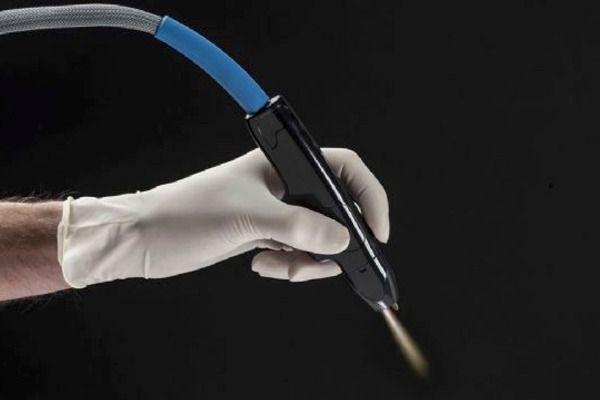
Not all plasma treatments are equivalent, and this distinction matters more around the eyes than anywhere else. NeoGen nitrogen plasma is not the same as a handheld plasma pen. It delivers energy consistently and controls treatment depth precisely, which is exactly what you want on skin this thin.
I was the first NeoGen provider in Northern California, and I have performed more than 150 treatments to date. On an area with this little margin for error, that experience is the part that matters.
What Improves Around the Eyes
The eyelid and under-eye area can respond to plasma treatment in several ways:
- Fine lines and deeper wrinkles soften as collagen remodels
- Loose or crepey skin becomes firmer and better supported
- Uneven texture smooths out as the surface renews
- Mild upper-lid heaviness can improve, though this is the most variable of the group
Being straight with you about the limits: dark circles and puffiness do not respond to plasma the way lines and laxity do. Those are usually pigment, vascular or fluid issues rather than collagen ones, and they need a different tool. The Light Eyes add-on is what I generally suggest for lower-lid fluid retention and darkness.
The Timeline Matters
This is not a one-and-done treatment, and expecting it to be is the most common way people end up disappointed.
You may notice some initial tightening within the first few weeks, but the meaningful improvement usually appears across three to six months as collagen rebuilds. Some people are happy after a single treatment. Others do better with a series spaced several weeks apart, which is the thinking behind my PlasmFecta® method. Your skin type, your starting point and the specific concern all decide which.
What to Expect on the Day
Treatment usually takes 30 to 60 minutes. Because the eye area is delicate, the approach is customized carefully rather than run at a standard setting.
In the days afterward you can expect dryness and some flaking, typically light to moderate. That is the regeneration process doing its job, not a complication. Downtime is minimal next to surgery, and most people return to normal activities within a few days, with sun protection and careful skincare during healing.

Why the Consultation Is Not a Formality
Your eyelids are specific to you. Skin condition, degree of laxity, age and what you actually want from this all shape what makes sense, and none of that can be decided from a description on a page.
In a consultation I assess the skin around your eyes, listen to what is actually bothering you, and tell you whether NeoGen, something else, or a combination is the right answer. Sometimes that includes injectables or other skin treatments alongside plasma. Sometimes it does not, and sometimes the honest answer is that a surgeon is who you need.
Is This Right for You?
If you are seeing fine lines, texture change and mild laxity around your eyes, and you want improvement without surgery, plasma regeneration is worth exploring.
If you have significant eyelid drooping that interferes with your vision, that is a conversation for a surgeon, and I will say so. Most people sit somewhere between those two, and that middle ground is where this treatment does its best work.
Frequently Asked Questions
Mild to moderate laxity can improve, yes, by rebuilding collagen in skin that has lost it. What non-surgical treatment cannot do is remove excess skin, which is what surgery is for.
It is one of the few treatments that can be used on upper and lower eyelid skin, because treatment depth is controlled precisely. Whether it is appropriate for your eyes specifically is what the consultation determines.
A plasma pen is a handheld device that creates individual spots on the surface. NeoGen delivers nitrogen plasma with consistent energy and controlled depth across the treated area. On skin this thin, that control is the whole point.
Most people describe heat and tightness rather than sharp pain. Comfort measures are discussed beforehand, and the eye area is approached more conservatively than the rest of the face.
Expect dryness and light to moderate flaking for several days. Most people are back to normal activities within a few days, with diligent sun protection during healing.
Some tightening may show within a few weeks. The meaningful change builds over three to six months as collagen remodels, so this is not a treatment to judge at the two-week mark.
Some people are happy after one. Others do better with a series spaced several weeks apart. It depends on your starting point and how much correction you are after.
Usually not. Those are generally pigment, vascular or fluid concerns rather than collagen ones. The Light Eyes add-on is the better fit for lower-lid darkness and fluid retention.
Possibly. If you have significant drooping that affects your vision, a surgeon is the right referral and I will tell you that rather than treating around it.