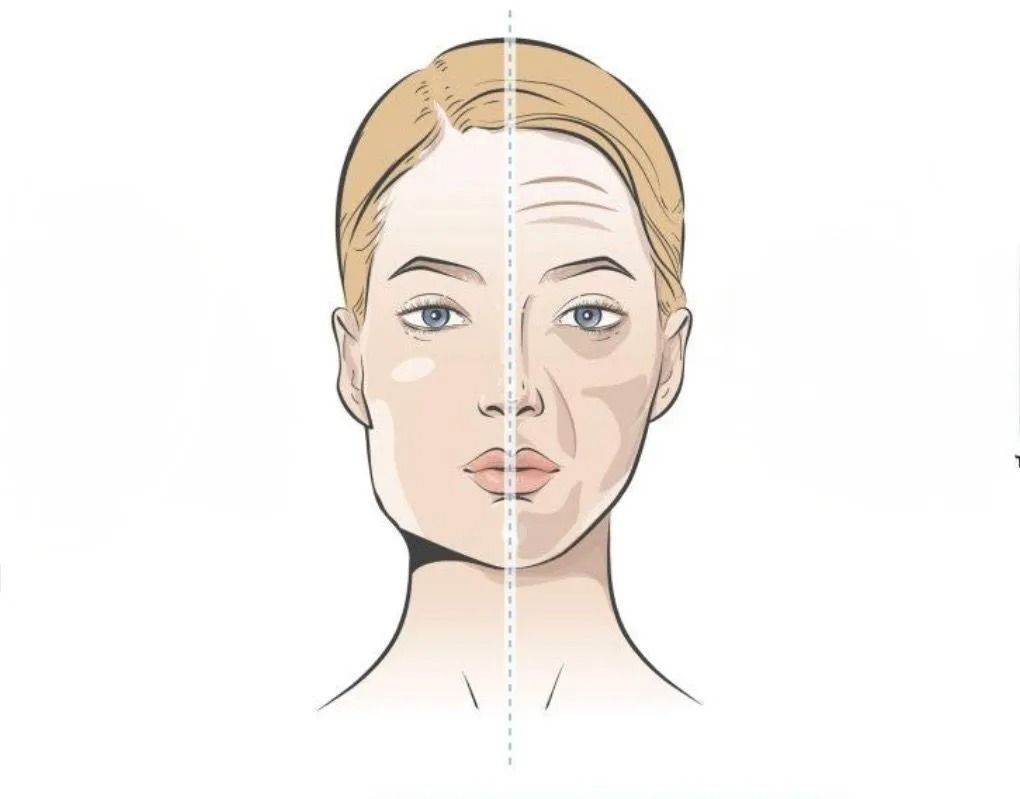
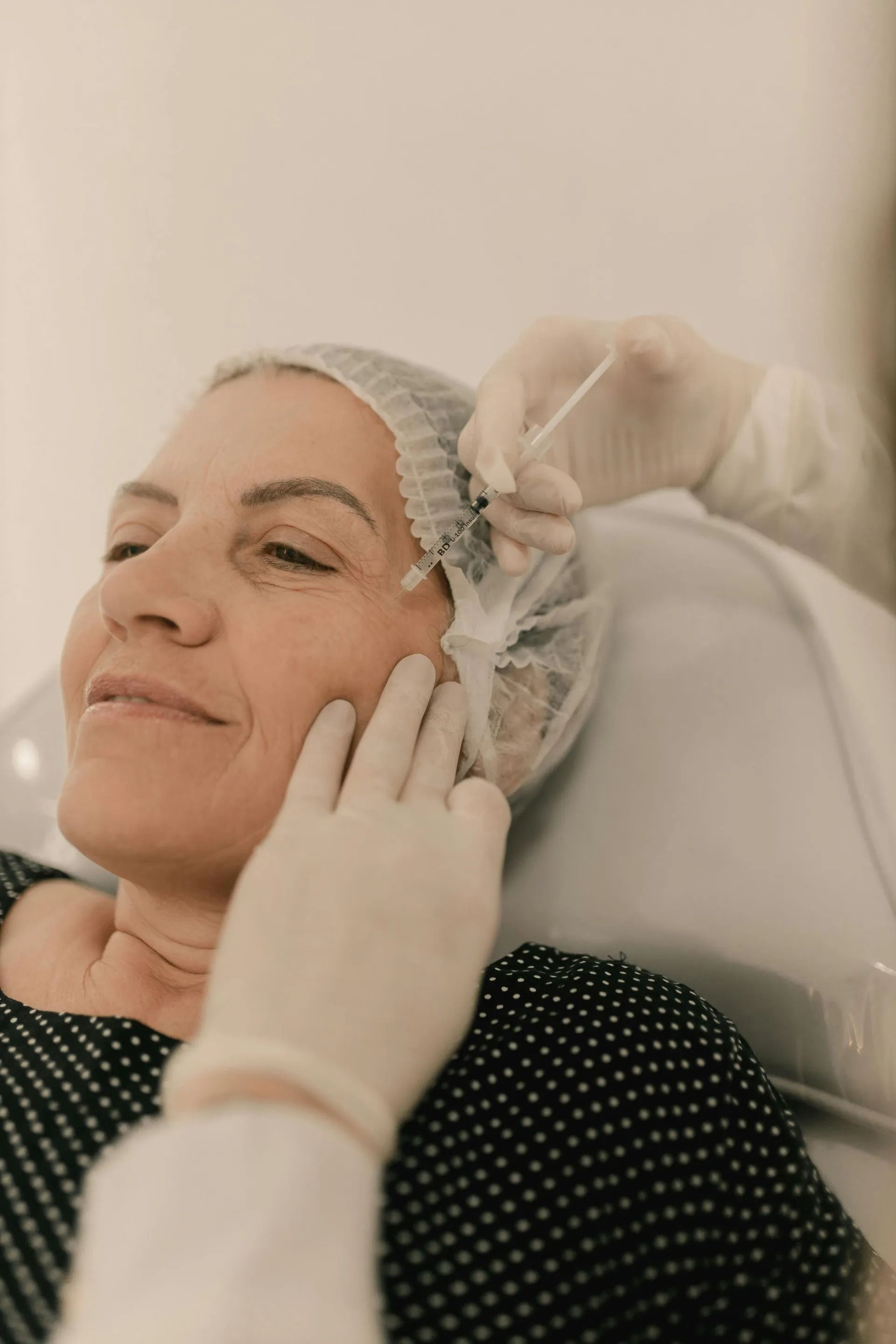
When you are considering skin resurfacing or tightening, you will hear about two different technologies again and again: NeoGen PSR, which is plasma skin regeneration, and RF, which is radiofrequency. Both are used to support skin as it changes over time, and both build collagen. But they work in entirely different ways, and that difference decides which one is right for you.
NeoGen uses nitrogen plasma energy to create controlled micro-injuries on and beneath the skin's surface. Radiofrequency uses heat waves that travel into the deeper layers without disturbing the top surface at all. The mechanism matters, because it shapes what each technology can actually do, how quickly you will see a change, and what your recovery looks like.
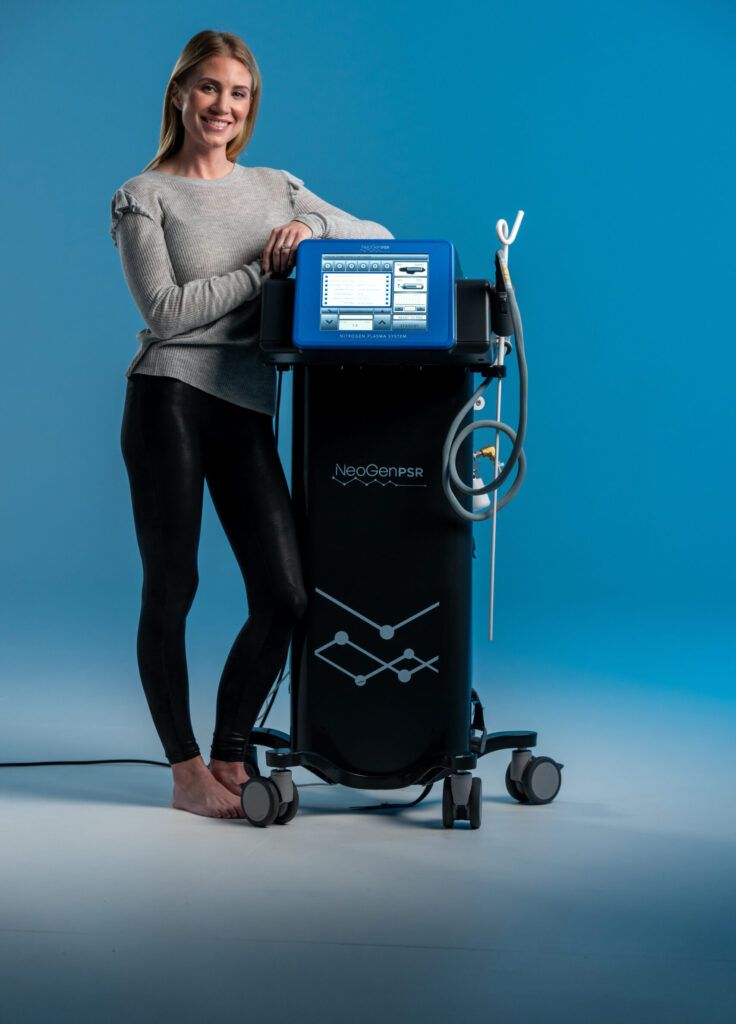
At Good Skin Aesthetics in Loomis, I offer NeoGen PSR as my signature resurfacing treatment. I also offer radiofrequency as part of my advanced facial menu. I work with both, so this is not a case of talking one up and the other down. It is a case of matching the technology to the concern.
How Each Technology Reaches Your Skin
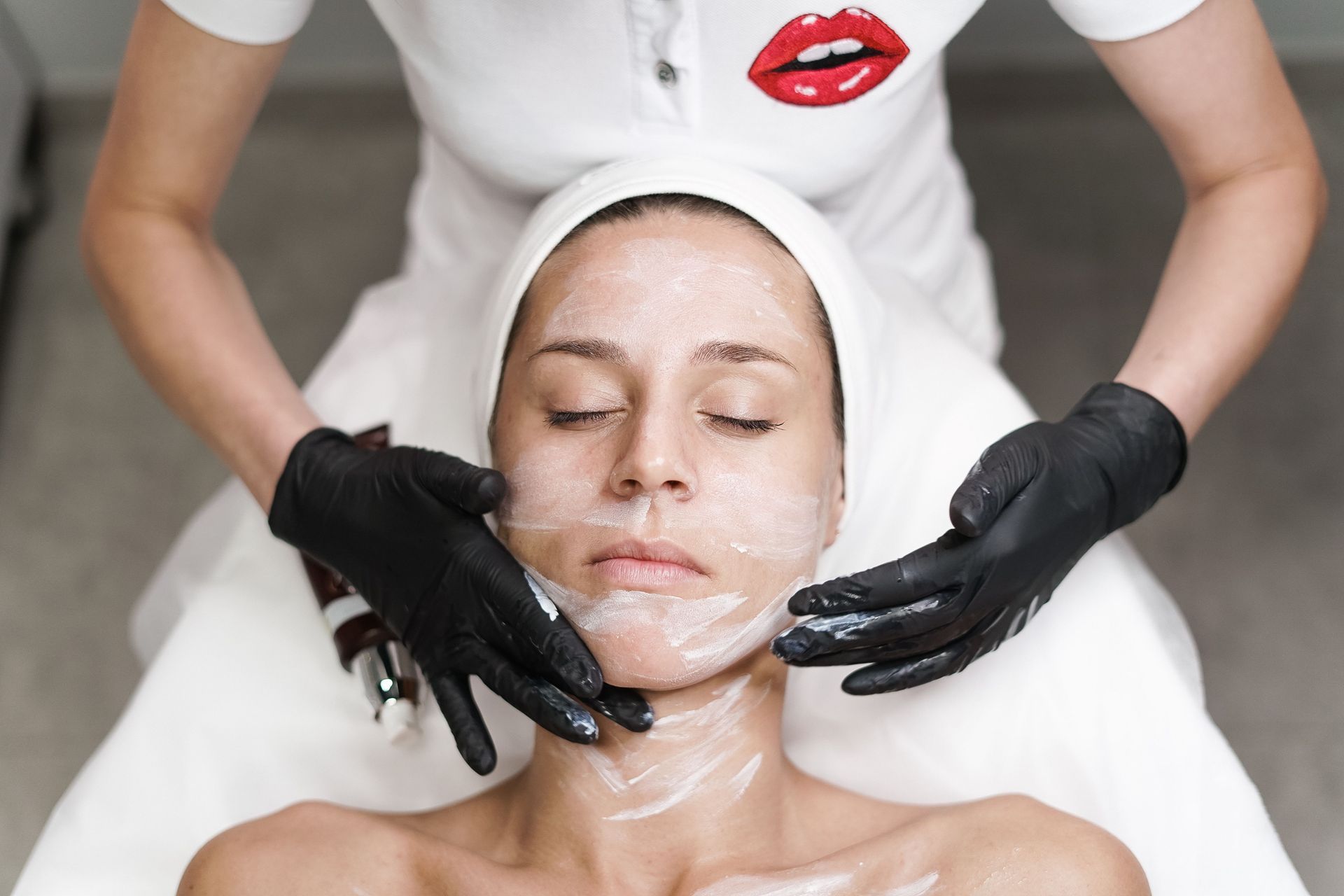
Think of your skin as a fabric with a surface weave and a supporting structure underneath. Radiofrequency works on the structure without touching the weave. Plasma works on both at once.
NeoGen PSR, Nitrogen Plasma
- Converts nitrogen gas into plasma energy
- Creates controlled injury at several depths at once
- Treats the surface and the deeper layers together
- Customized depth per concern and per area
- Peeling of 0 to 7 days depending on intensity
Radiofrequency, RF
- Uses heat waves, not light and not plasma
- Heats the deeper dermis only
- Leaves the epidermis completely undisturbed
- Gradual collagen remodeling over weeks to months
- Minimal downtime
RF works underneath your skin. NeoGen works through it.
Skin Tightening
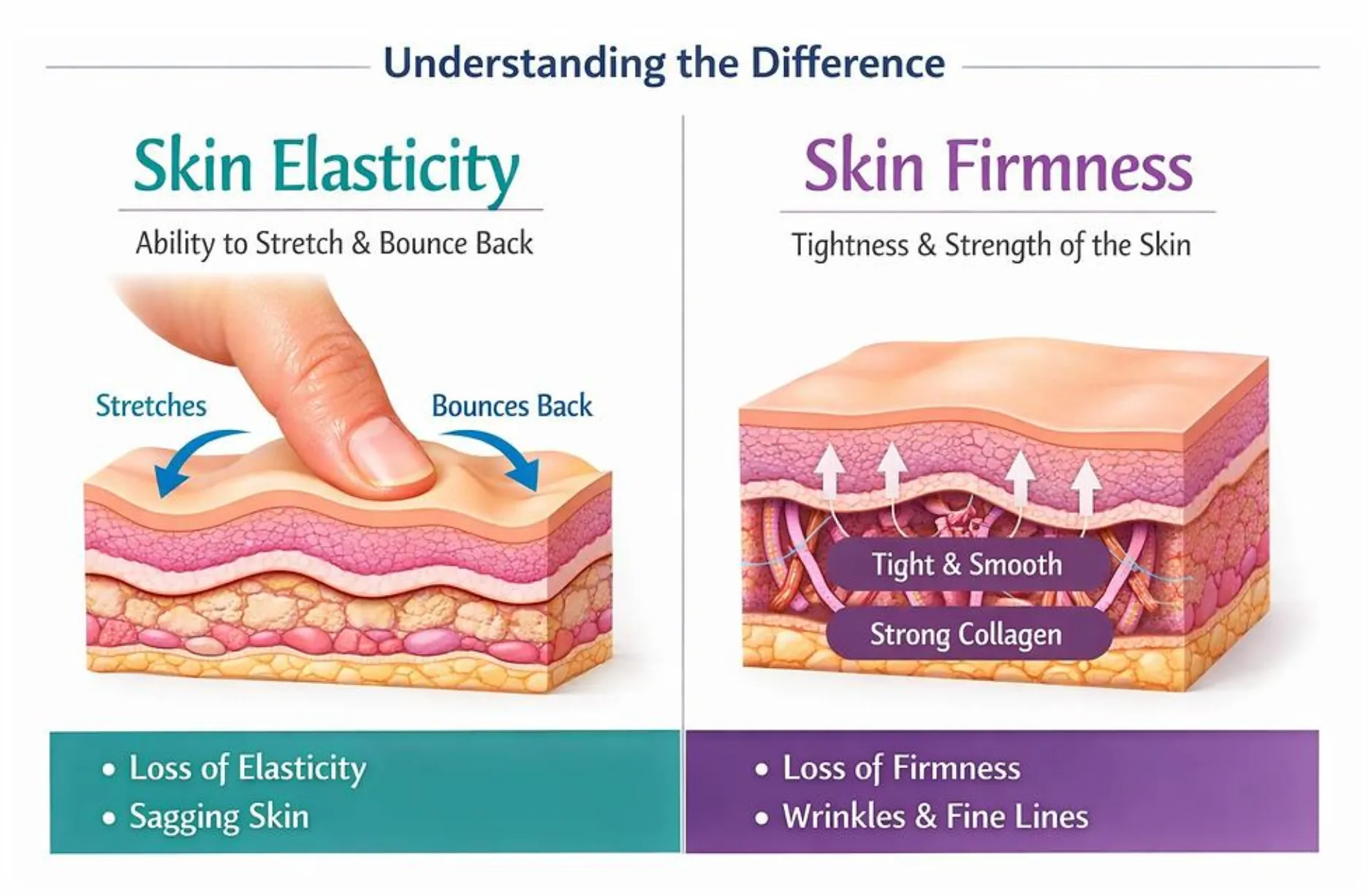
Both technologies stimulate collagen, which is what gives skin its firmness and its snap. When collagen breaks down over time, skin begins to sag and lose definition.
How RF Tightens
RF heats the deeper dermis without disrupting the surface, and that heat triggers your body's natural collagen remodeling response. Results develop gradually, usually over weeks to months, as new collagen builds. RF is genuinely useful for mild to moderate laxity. If your skin is significantly loose or crepey, you will want multiple sessions, and the change can take several months to become visible.
How NeoGen Tightens
NeoGen creates controlled thermal injury at multiple depths, depending on how I customize the treatment for you. Because it works across layers rather than at one level, it stimulates collagen and elastin more aggressively. Most clients see tightening begin within weeks, with improvement that continues for up to 24 months. If your skin is noticeably loose or sagging, the multi-depth approach tends to create more dramatic tightening than RF alone.
RF asks almost nothing of your calendar. NeoGen asks for 0 to 7 days of peeling depending on the intensity we choose. That is the real decision point for most people, and it is worth being realistic about before you book.
Skin Resurfacing
This is where the two technologies separate most clearly. Resurfacing means smoothing texture, refining the surface itself, and improving overall skin quality.
RF does not resurface. It works underneath without disrupting the epidermis, so it will not smooth rough texture or correct surface irregularities the way a resurfacing treatment does. If your main concern is bumpy, uneven, or dull skin, RF alone will not get you there.
NeoGen is a resurfacing treatment by design. The plasma energy removes damaged outer layers while stimulating renewal from within. That addresses uneven texture, rough patches, and dullness at the same time. Because it remodels the surface while triggering deeper regeneration, it reshapes the full architecture of your skin rather than only the layers underneath it.
For true resurfacing, NeoGen PSR is the stronger choice.
Pigmentation and Sun Damage
Stubborn spots, uneven tone, and photodamage from years of Northern California sun respond to both technologies, but on very different timelines.
RF can fade pigmentation gradually. The heat stimulates cell turnover and encourages your body to break down excess melanin over time. The process is slow and subtle, so it asks for patience and usually several sessions.
NeoGen addresses pigmentation more directly. The plasma energy breaks up pigmented cells, and the controlled injury prompts your skin to shed the damaged, discolored surface layers. Because the treatment actively removes pigmented tissue while stimulating remodeling, changes in spots and tone show up faster than with RF. Most clients see a meaningful difference within the first few weeks after the peeling resolves.
If sun damage and pigment are your primary concern, NeoGen delivers faster and more visible results.
Acne Scar Improvement
Both treatments can improve the look of acne scarring, but the mechanism is different and so is the ceiling.
RF heats scar tissue, which can soften its appearance over time as collagen remodels. The results are modest and gradual, and RF does its best work on very shallow scarring.
NeoGen is more aggressive. The plasma creates precise injury at controlled depths, which makes it possible to treat deeper, more structured scarring. The controlled peeling and remodeling improve surface texture and deeper scar architecture together. Because I can customize NeoGen to different depths, it handles a wider range of scar severities than RF can.
For meaningful scar improvement, especially with moderate to deep scarring, NeoGen PSR is the stronger option.
Fine Lines and Wrinkles
Both technologies improve lines. They differ in how fast, and by how much.
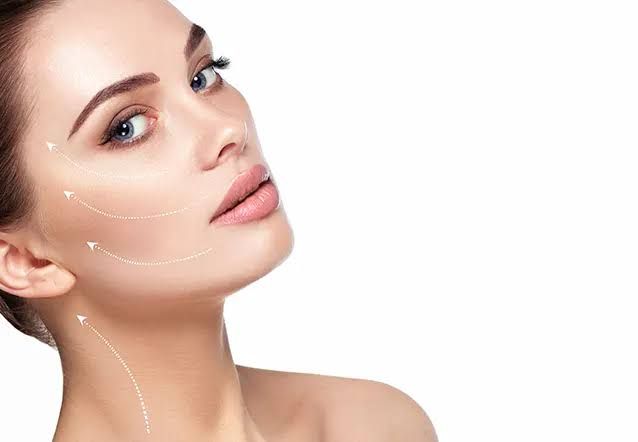
RF stimulates collagen, and that does smooth fine lines over time. Deeper wrinkles improve more slowly, because RF works gradually by nature. You will need consistent sessions to hold the effect. Lines around the eyes and mouth do respond, but the change stays subtle compared with a resurfacing treatment.
NeoGen addresses wrinkles through several mechanisms at once. The plasma creates controlled injury that triggers collagen remodeling, the peeling removes damaged skin, and the heat drives new cell turnover. Fine lines improve noticeably after a single session. Deeper wrinkles and rhytides improve significantly with my PlasmaFecta™ protocol, which combines a series of NeoGen treatments with supporting therapies. Results keep improving for up to 24 months.
If wrinkles are your main concern, NeoGen delivers faster and more dramatic improvement.
Eyelid Treatment
The skin around your eyes is thin and sensitive, so it needs careful handling and precise control.
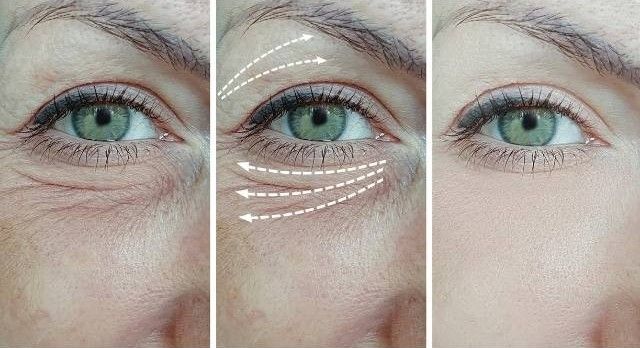
RF can tighten mild eyelid laxity, but the results are subtle. It is a longer process, and the limits of the technology on delicate areas mean it is rarely the first choice for someone focused on the eye area.
NeoGen offers what is often described as a non-surgical blepharoplasty effect. Customized for the eye area, plasma can tighten drooping upper lids and improve under-eye laxity. Because I can adjust it to precise depths, it suits thin eyelid skin rather than overwhelming it. Results appear relatively quickly and continue improving over months, and many clients see meaningful eyelid tightening after one treatment.
For eyelid concerns, NeoGen PSR is the more effective choice.
Actinic Damage and Full Skin Architecture
Actinic damage is the cumulative injury from years of UV exposure: rough texture, discoloration, and a breakdown of healthy skin structure underneath.
RF can slow further deterioration and improve overall quality gradually, but it does not address the full extent of the damage. It works from underneath without reshaping the damaged surface above it.
NeoGen is built to treat actinic damage comprehensively. Because it works at multiple depths simultaneously, it removes damaged tissue, stimulates collagen and elastin renewal, and improves surface texture and deeper structural integrity together. The plasma energy triggers your body's own regenerative pathways, which means the skin rebuilds stronger over time rather than simply looking smoother.
Recovering full skin architecture means addressing texture, tone, pigmentation, laxity, and collagen structure all at once. NeoGen addresses all of them simultaneously. RF improves some of them gradually.
Choosing Between Them
RF is gentler, asks for no downtime, and works well if your concerns are mild and you want gradual improvement without recovery time built into your schedule.
NeoGen PSR is more comprehensive and more aggressive. It addresses several concerns at once, delivers faster results, and keeps improving your skin for up to 24 months. The trade-off is 0 to 7 days of peeling depending on intensity.
In practice, the decision usually comes down to three questions:
- What specifically am I trying to change?
- How much improvement do I actually want to see?
- How much recovery time can I realistically manage?
If the honest answer to the first question is texture, pigment, scarring, or eyelid laxity, plasma is the technology built for it. If the answer is mild laxity and nothing else, RF may be all you need.
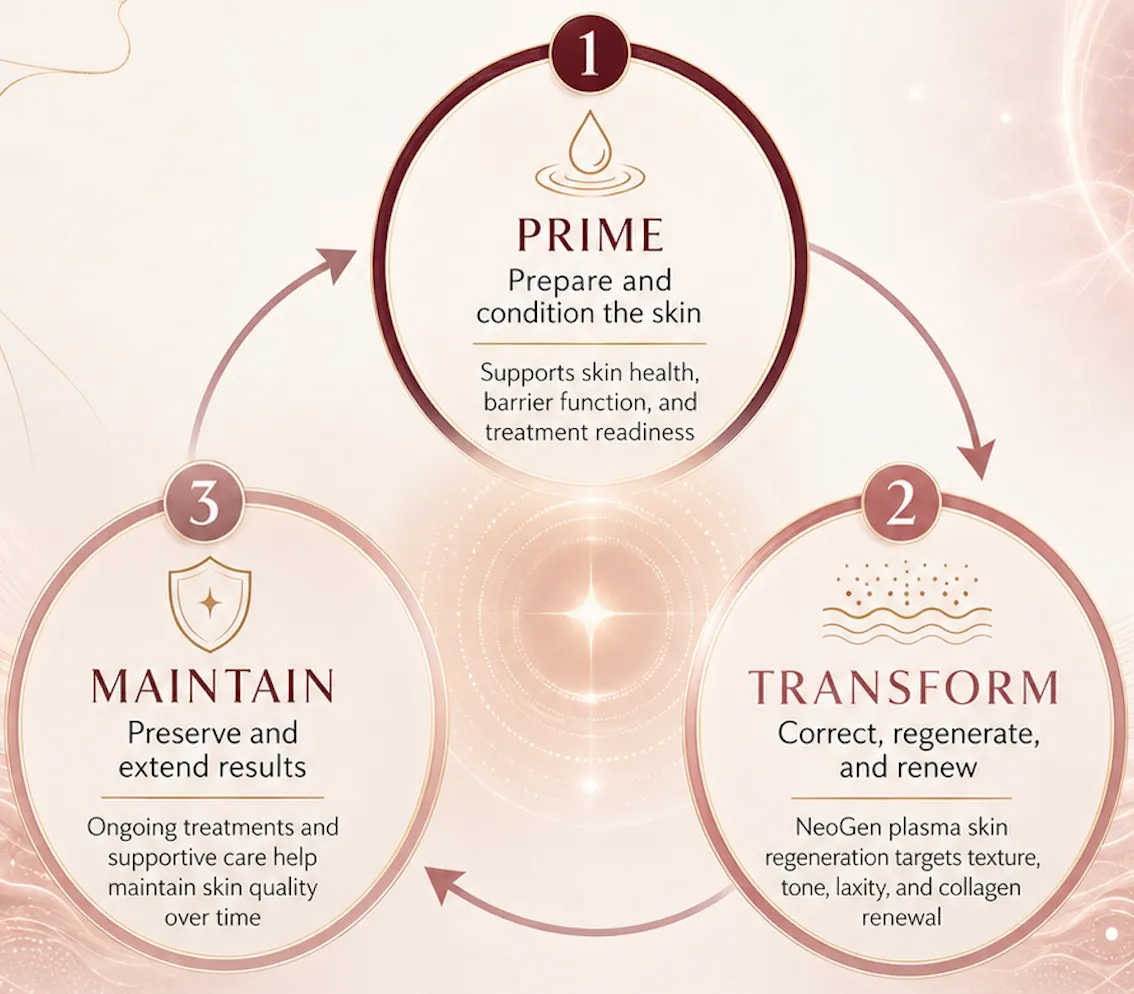
These two are not mutually exclusive. RF can maintain results between NeoGen treatments, and for some clients the right plan uses both at different points in the year.
The best way to know which technology suits your skin is to come in. I will look at your skin, talk through what you want to change, and build a plan around it. I see one client at a time, so the consultation is unhurried and the recommendation is specific to you.
I am the first and only NeoGen PSR provider in Northern California. If you are in Loomis, Rocklin, Roseville, Granite Bay, Auburn, Lincoln, or anywhere in Placer County and you are curious about either treatment, call 916-277-0377 or book a consultation online.
Frequently Asked Questions About NeoGen and RF
NeoGen uses nitrogen plasma energy to treat the surface and the deeper layers at the same time. RF uses heat waves that reach the deeper dermis without disturbing the surface at all.
NeoGen involves 0 to 7 days of peeling depending on the intensity we choose together. RF requires minimal downtime.
No. RF works underneath the epidermis without disrupting it, so it does not smooth rough texture or correct surface irregularities the way a resurfacing treatment does.
NeoGen, in most cases. RF does its best work on very shallow scarring, while plasma can be customized to depth and treat deeper, more structured scars.
Most clients notice a change within weeks of the peeling resolving, and results continue improving for up to 24 months as collagen and elastin rebuild.
Yes. Customized for the eye area, plasma can tighten drooping upper lids and improve under-eye laxity, an effect often described as a non-surgical blepharoplasty.
RF works gradually, so a series is typical and consistency matters. The exact number depends on how much laxity you are starting with.
Often, yes. RF can help maintain results between NeoGen treatments. We will map out the timing together so the two support each other.
It is my signature protocol combining a series of NeoGen treatments with supporting therapies, designed for deeper wrinkles and more advanced skin concerns.