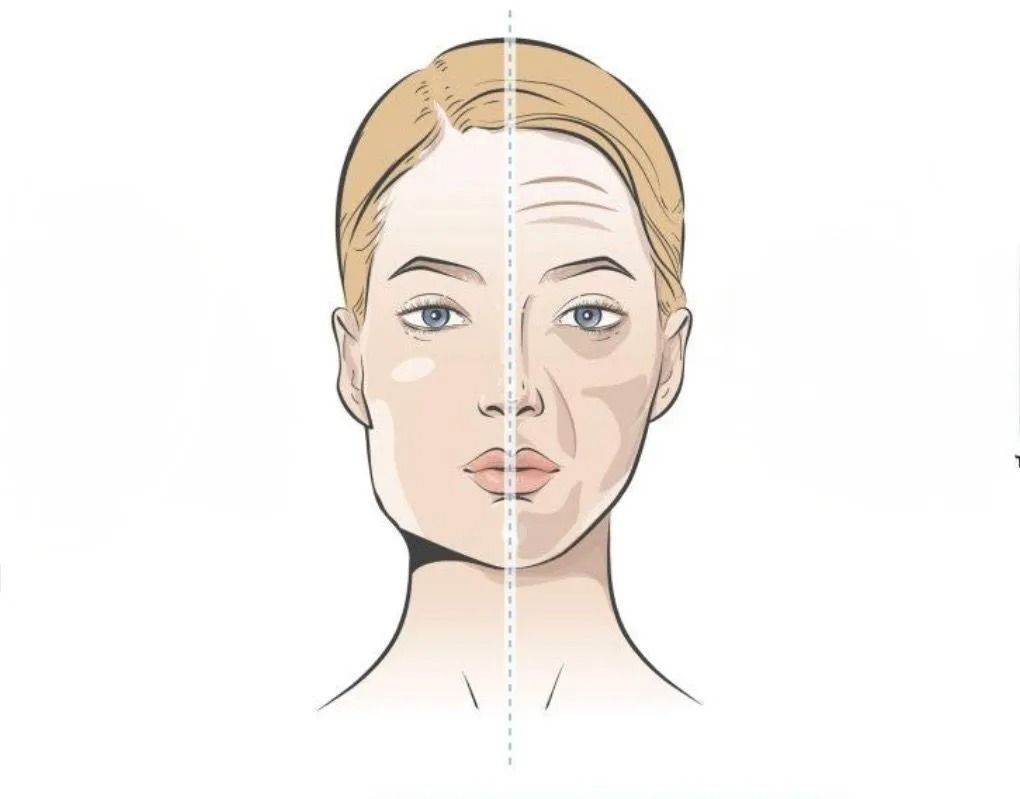
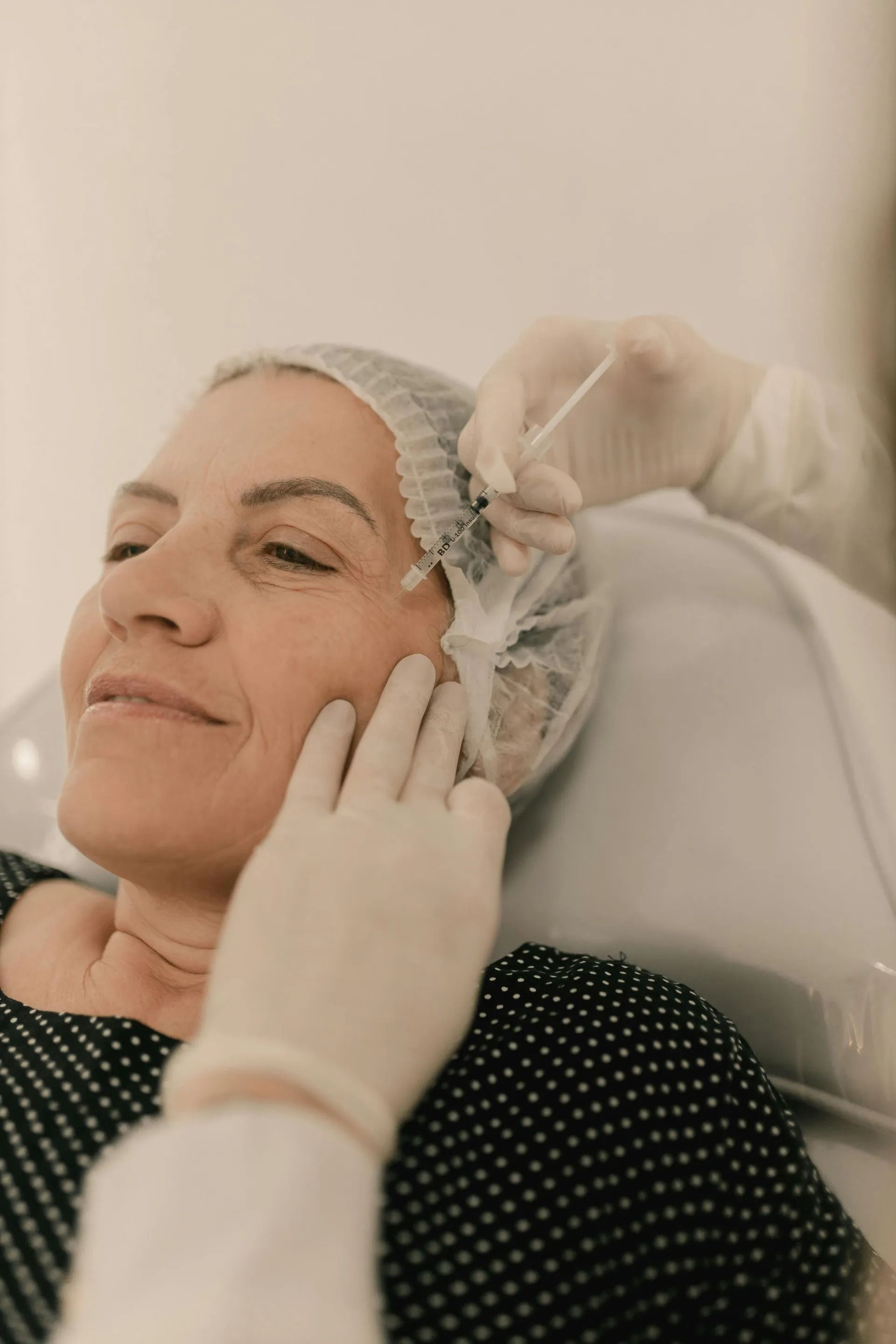
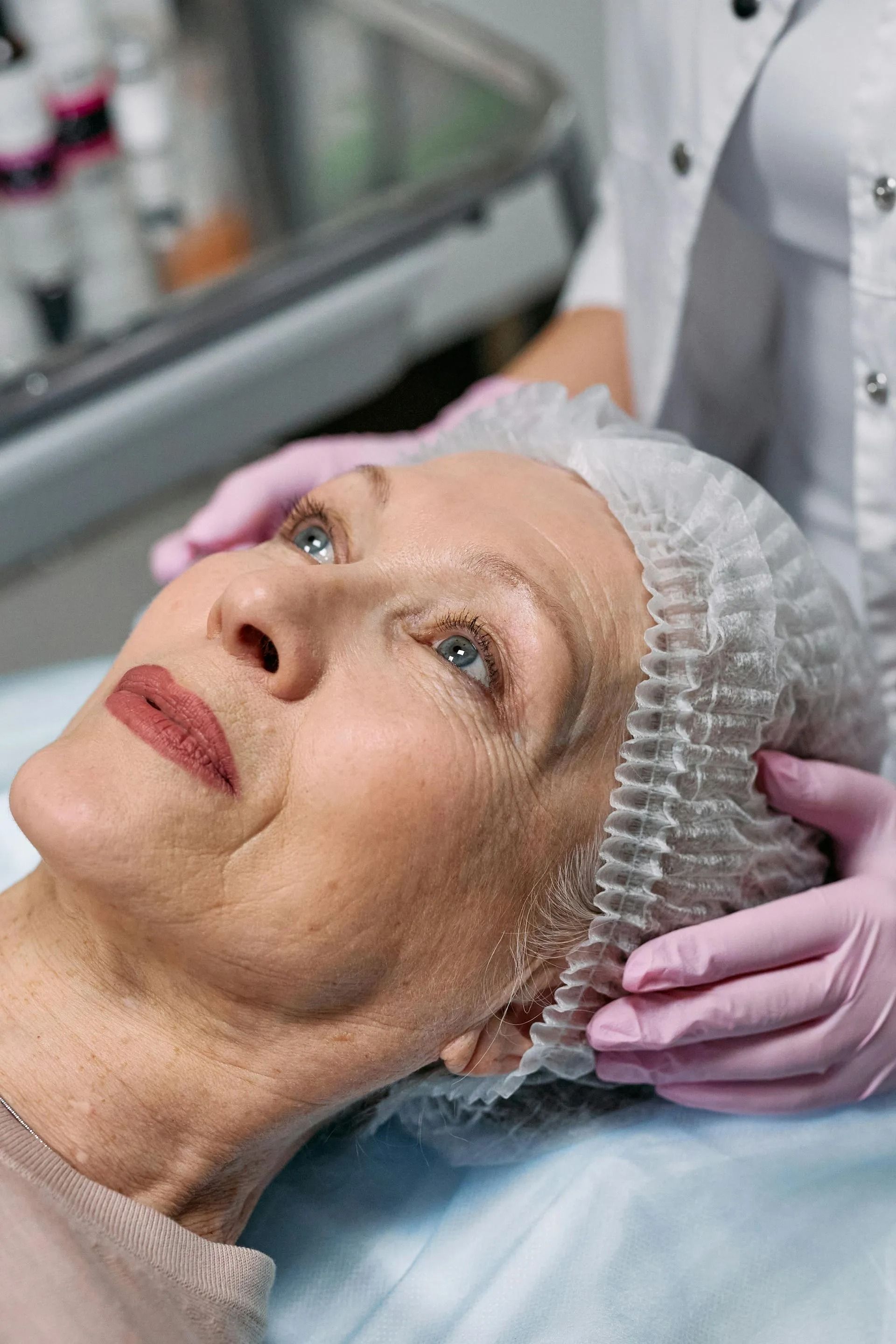
Non-surgical facial rejuvenation has advanced significantly over the last decade, offering effective ways to improve aging skin, texture, tone, and skin laxity without surgery. In Loomis, California, and throughout Placer County, patients often ask how newer technologies compare, specifically how NeoGen Plasma Skin Regeneration stacks up against lasers, radiofrequency, and microneedling.
I ground my treatment decisions in clinical science, safety, and long-term skin health, not trends. This article is a medically accurate, evidence-based comparison of NeoGen Plasma versus traditional energy-based treatments, so patients from Loomis, Rocklin, Roseville, Granite Bay, Newcastle, Folsom, Penryn, and Auburn can make informed choices.
Understanding the Landscape of Non-Surgical Skin Rejuvenation
Most non-surgical treatments fall into one of four technology categories:
- Laser and light-based devices
- Radiofrequency skin tightening
- Microneedling, with or without radiofrequency
- Plasma skin regeneration
Each works through a different biological mechanism, and understanding those differences is critical when treating aging skin, laxity, and texture concerns.
What Is NeoGen Plasma Skin Regeneration?
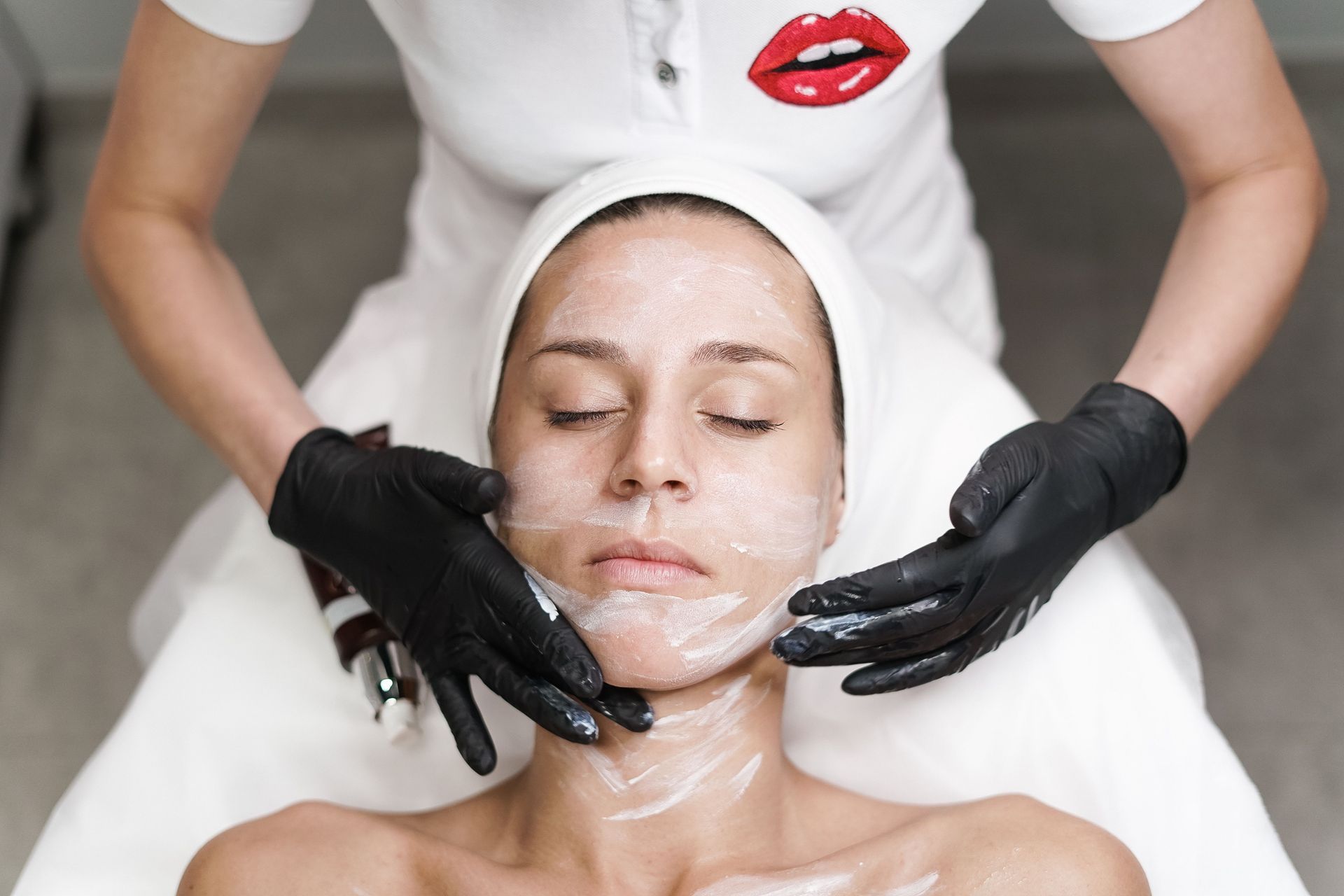
NeoGen Plasma Skin Regeneration is a nitrogen-based plasma technology that delivers controlled thermal energy into the skin without needles, light, or surface ablation. Plasma is created when nitrogen gas becomes ionized. That plasma energy transfers heat uniformly into both the epidermis and dermis, stimulating:
- Collagen remodeling
- Elastin production
- Fibroblast activation
- Long-term dermal regeneration
Unlike lasers or RF, plasma does not rely on chromophores to work.
That distinction allows for more consistent energy delivery across different skin tones and reduces pigment-related risks.
How NeoGen Plasma Works at the Cellular Level
Plasma energy causes controlled thermal stimulation rather than tissue destruction. The epidermis remains intact while heat penetrates deeper into the dermis, triggering a biological cascade known as neocollagenesis.
Published research demonstrates that plasma skin regeneration improves cutaneous remodeling by stimulating fibroblasts without the inflammatory damage seen in ablative resurfacing. Clinical evaluation of plasma skin regeneration for cutaneous remodeling confirms measurable improvements in skin structure, elasticity, and texture over time.
Plasma vs Laser Skin Resurfacing
Laser resurfacing uses light energy to target chromophores in the skin. Depending on the device, lasers may be ablative, removing surface layers, or non-ablative, heating tissue without removing it.
NeoGen Plasma
- Does not use light
- Does not target melanin
- Preserves the epidermal barrier
- Delivers uniform thermal energy
Laser Resurfacing
- Increased risk of post-inflammatory hyperpigmentation
- Dependence on skin tone and pigment
- Variable downtime, days to weeks
- Ablative options remove surface layers
That makes plasma particularly appealing if you are concerned about pigment changes or prolonged downtime.
Plasma vs Radiofrequency Skin Tightening
Radiofrequency devices tighten skin by creating heat through electrical resistance. RF treatments typically focus on collagen contraction, require multiple sessions, and produce gradual tightening. RF is widely used, but depth and consistency of heating may vary by device.
NeoGen Plasma
- Produces uniform heat distribution
- Penetrates deeper into the dermis
- Prioritizes regeneration over contraction
- Emphasizes long-term structural improvement
Radiofrequency
- Focuses on collagen contraction
- Requires multiple sessions
- Depth and consistency vary by device
- Targets more immediate tightening
Plasma vs RF Microneedling
RF microneedling combines mechanical skin injury from needles with radiofrequency energy delivery. It is effective, but the approach involves micro-punctures, an inflammatory response, and infection and downtime considerations.
NeoGen Plasma
- Requires no needles
- Causes no mechanical injury
- Stimulates collagen without puncturing skin
- Avoids the same inflammatory pathways
RF Microneedling
- Micro-punctures through the skin
- Inflammatory response
- Infection and downtime considerations
- Effective, particularly for acne scarring
Plasma Resurfacing vs Traditional Resurfacing
Unlike ablative resurfacing, plasma resurfacing does not remove skin layers. That distinction reduces healing risk, preserves barrier function, and supports healthier regeneration. It is one reason plasma is increasingly viewed as its own category, not simply an alternative laser or RF treatment.
Is NeoGen Plasma a Non-Surgical Facelift?
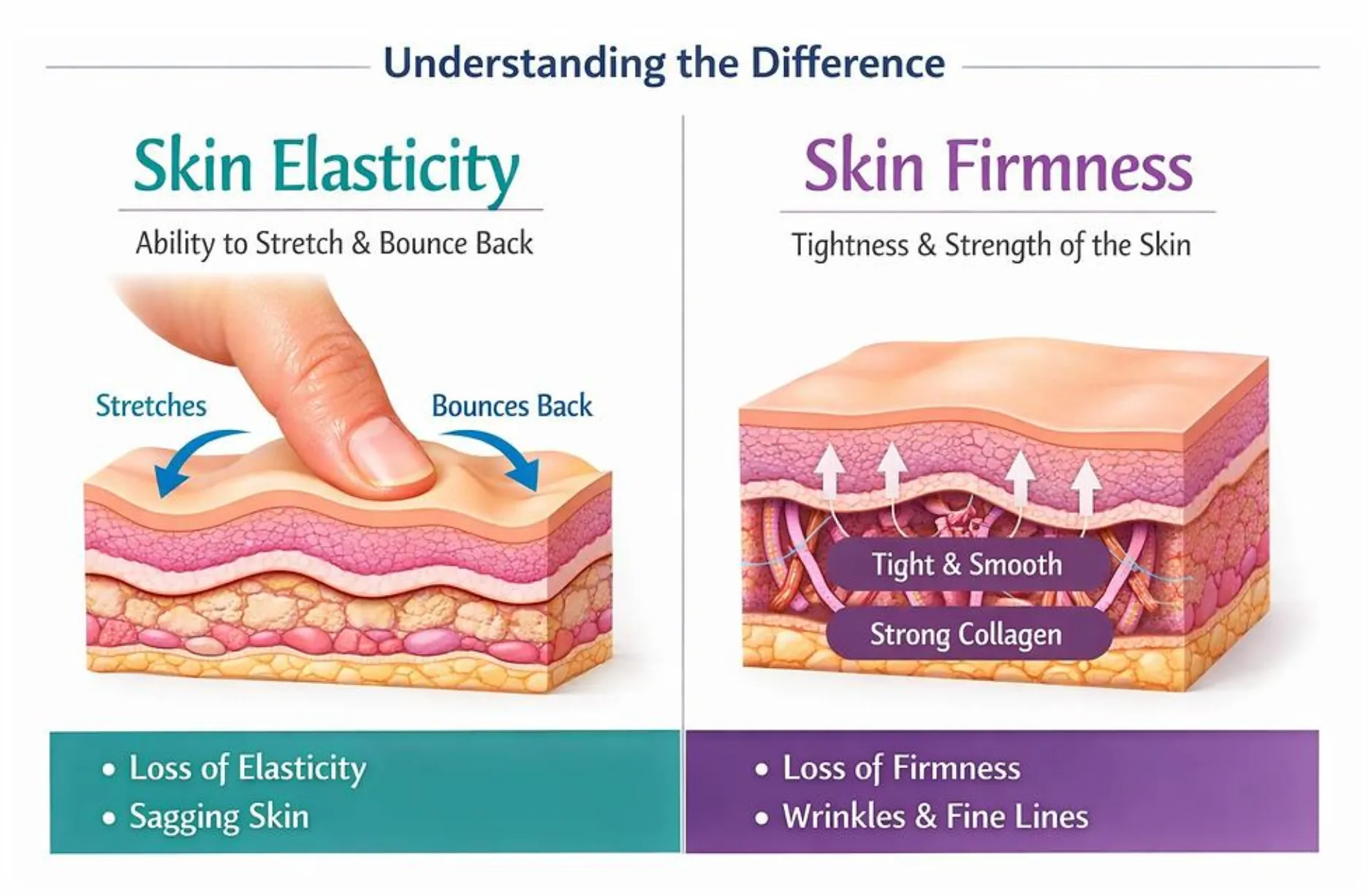
It is not a replacement for surgery, but NeoGen Plasma is often described as a non-surgical facelift because it improves skin firmness, texture, crepiness, and overall skin quality.
Rather than lifting tissue mechanically, plasma enhances the skin's structural integrity through regeneration, which makes results look natural and progressive.
Who Is an Ideal Candidate for NeoGen Plasma?
NeoGen Plasma may be appropriate if you have:
- Mild to moderate skin laxity
- Crepey or thinning skin
- Uneven texture or tone
- Early signs of aging
- Skin that makes you a poor candidate for lasers
Patients throughout Loomis, Rocklin, Roseville, Granite Bay, Newcastle, and Folsom often choose plasma for its versatility and safety profile. Current options and investment levels are on my pricing page.
Why NeoGen Plasma Stands Apart in Modern Aesthetics
Plasma skin regeneration is increasingly recognized as a distinct regenerative modality because of its chromophore-independent energy, needle-free delivery, minimal surface disruption, and long-term collagen remodeling.
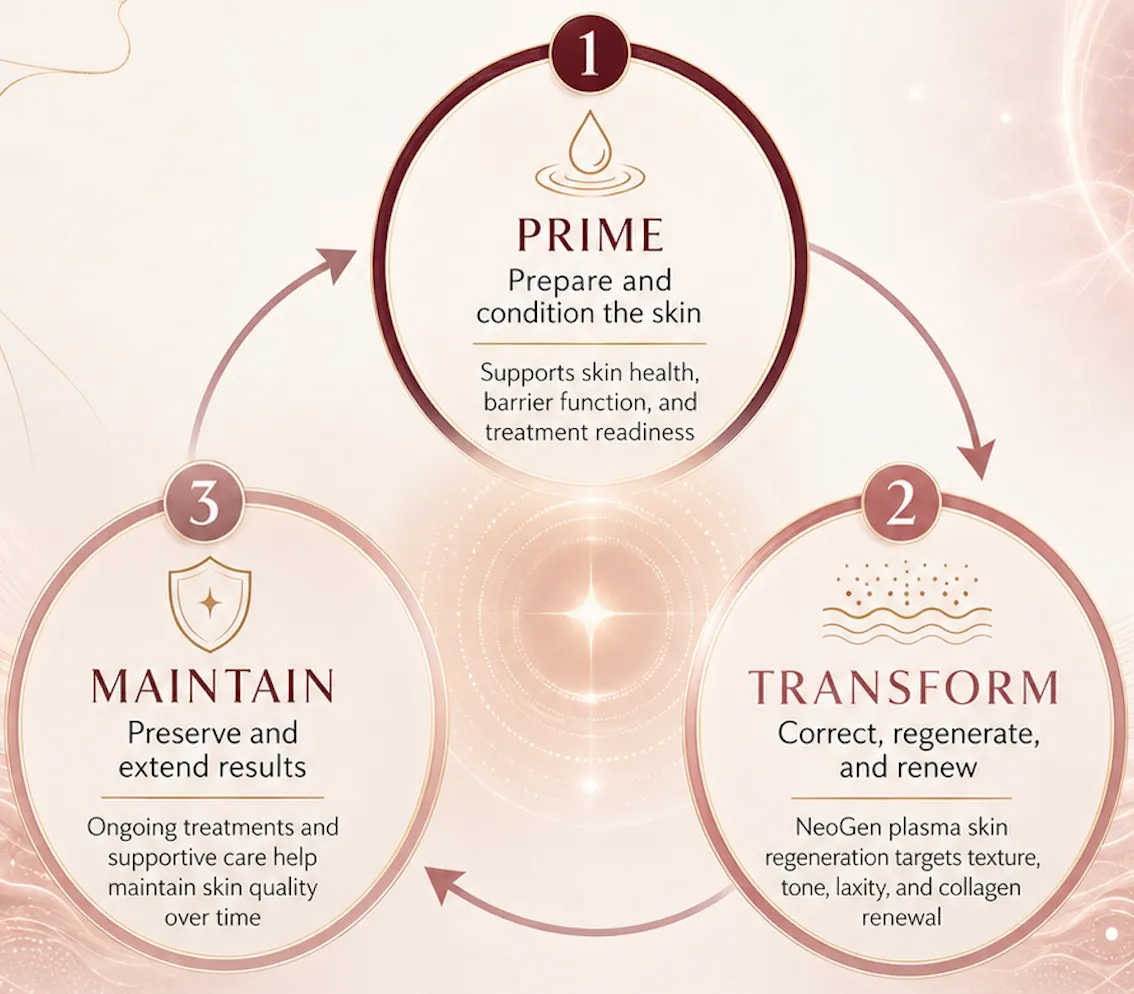
I integrate NeoGen Plasma thoughtfully into treatment plans focused on skin health, longevity, and evidence-based outcomes, including the structured PlasmaFecta™ protocol and, where it fits, microchanneling.
Frequently Asked Questions About NeoGen Plasma
It is a non-surgical treatment that uses ionized nitrogen plasma to stimulate collagen, elastin, and skin regeneration without needles or light-based energy.
It is different. Plasma does not rely on pigment or light, which makes it a safer option for certain skin types and concerns.
RF microneedling uses needles and radiofrequency energy. NeoGen Plasma is needle-free and stimulates regeneration without mechanical injury.
Yes. Plasma improves skin firmness by stimulating collagen remodeling over several months, which makes it effective for mild to moderate laxity.
Because plasma does not target melanin, it may be suitable for a broader range of skin tones when performed by a trained provider.
Some patients see results after one treatment, while others benefit from a series depending on skin condition and goals.
NeoGen Plasma can be used on the face, neck, decolletage, and other areas affected by aging or laxity.
Downtime varies by intensity but is generally less than ablative laser resurfacing. Temporary redness or warmth is common.
NeoGen Plasma Skin Regeneration is available at my studio in Loomis, serving patients throughout Placer County.